A Call for a Middle Ground in a Polarized Debate
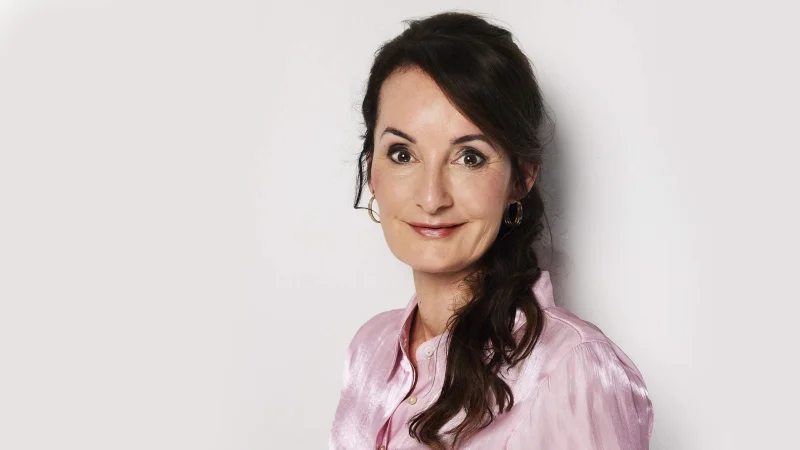
Writing in De Telegraaf, Dutch psychiatrist and columnist Esther van Fenema has weighed in on the increasingly polarized public conversation surrounding transgender healthcare for young people. She argues for a more nuanced approach, cautioning that the current climate of extremes is failing the very individuals it purports to help.
Van Fenema begins by affirming that transgender people deserve respect, safety, and quality care, dismissing simplistic and harmful rejections like "it's just a phase." However, she contends that the discourse has been hijacked by two opposing, and in her view, equally unhelpful narratives.
"On one side, there is the camp that dismisses transgender feelings as fashion, decadence, or societal decay," she writes. On the other, she identifies a narrative that presents medical transition as a straightforward cure-all: "someone experiences gender dysphoria, receives medical treatment, and everything turns out fine." Van Fenema argues this latter view is just as one-sided.
The View from Clinical Practice
Drawing from her professional experience, Van Fenema describes a more complex reality. She notes that many young people she sees are struggling not only with gender identity but also with co-occurring conditions such as trauma, depression, autism, or personality disorders.
"They often hope—unconsciously—that a transition will help them feel more comfortable in their bodies and in the world," she explains. While a transition can bring essential peace for many, she warns that for others, the underlying psychological distress can remain or even intensify if not properly addressed.
The Dangers of an All-or-Nothing Approach
The core of Van Fenema's argument is that the current societal pressure harms everyone. "If trans care becomes taboo, people who genuinely need help won't get it," she states, acknowledging the real danger posed by anti-trans rhetoric.
At the same time, she expresses concern about a climate where any hesitation is treated as transphobia. "If every doubt is viewed with suspicion and every reservation is seen as rejection, another form of harm arises. We risk failing young people who are struggling not just with gender, but also with trauma, loss, and identity."
She also points to the practical consequences of a strained system, noting that long waiting lists for care in the Netherlands are pushing some to seek hormones on the black market or travel abroad for treatment, taking on serious medical risks.
A Plea for 'Carefulness'
Van Fenema's plea is to "stay out of the trenches." She advocates for maintaining the careful screening processes that exist in the Netherlands, taking all aspects of a young person's mental health seriously without belittling or ridiculing their gender dysphoria.
"Prudence is not rejection; it is care," she concludes, emphasizing the need to understand and protect vulnerable young people rather than pushing them into an ideological camp.
The original column by Esther van Fenema can be read in Dutch on De Telegraaf.