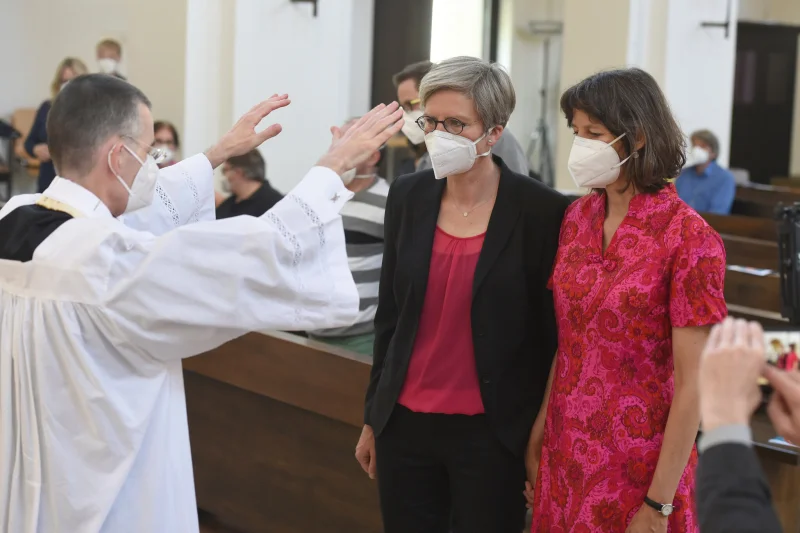
The controversy centres on the interpretation of Fiducia Supplicans, the landmark declaration issued by Pope Francis in late 2023. That document opened the door for priests to offer spontaneous, non-liturgical blessings to couples in "irregular situations," including same-sex couples, as a sign of pastoral closeness. However, it strictly forbade any rituals that could be confused with a wedding ceremony.
In a recent statement, the Holy See clarified its position, noting that recent initiatives, particularly in the Archdiocese of Munich and Freising led by Cardinal Reinhard Marx, have gone beyond what was permitted. "We have made it clear that we do not agree with the blessing of couples... be it homosexual couples or couples in irregular unions," a Vatican spokesperson explained. "This practice goes beyond what Pope Francis had allowed."
A Divided Church
The German Catholic Church has been on a multi-year reform process known as the "Synodal Way," which has advocated for greater inclusion for LGBTQ+ people and a re-evaluation of the Church's teaching on sexuality. Following this path, several German dioceses, including Munich, have established formal guidelines and public ceremonies for blessing same-sex unions.
The reaction within Germany has been sharply divided, reflecting the broader ideological split in the global Church:
- In Munich, progressive priests have hailed the move as a long-overdue step. Father Wolfgang Rothe, an openly gay priest, called it an "epochal advance," celebrating that couples can now receive a blessing without fear of reprisal for the clergy involved.
- Conversely, conservative bastions are holding firm. The Archdiocese of Cologne, under the leadership of the controversial Cardinal Rainer Maria Woelki, announced it would not implement the new guidelines, stating they go "beyond the universal Church's regulations."
Broader Issues at Play
The Pontiff's recent comments suggest a desire to shift the Church's focus away from what he sees as an overemphasis on sexual morality. "Unity or division in the Church should not revolve around questions of sexuality," he was quoted as saying. "There are much larger and more important issues like justice, equality, and religious freedom."
The Vatican also remains sensitive to the deep divisions on this issue globally. Many bishops' conferences, particularly in Africa, have vehemently rejected the possibility of blessing same-sex couples in any form, creating a difficult balancing act for Rome.
For LGBTQ+ Catholics in the Netherlands and across Europe, this ongoing conflict is a stark reminder of the slow and often contradictory pace of change within the institution. While the German church's actions offer a glimmer of hope for greater acceptance, the Vatican's firm response shows that the path to full inclusion remains long and contested.