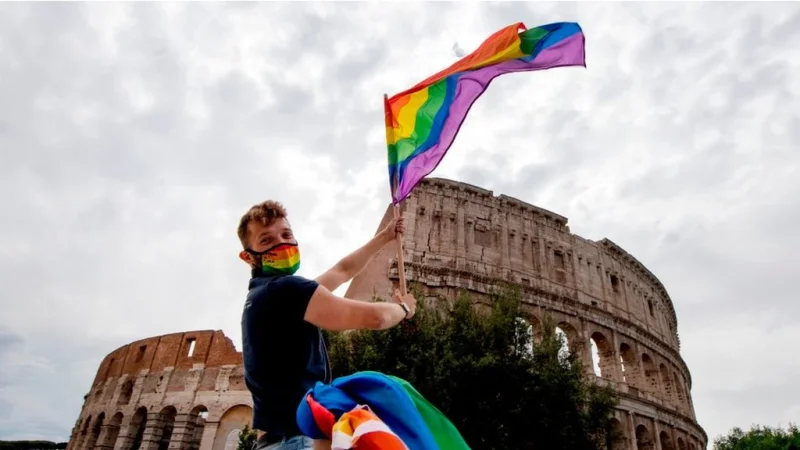
A comprehensive report released by Arcigay, Italy's largest LGBTQ+ organization, has documented 127 distinct episodes of violence, discrimination, and hate against the queer community over the past twelve months. The findings, published ahead of the International Day Against Homophobia, Biphobia, and Transphobia (IDAHOT), paint a picture of a structural problem, with researchers stressing that these media-reported cases represent only the "tip of the iceberg" of a much larger, unreported reality.
The data reveals a near-constant stream of hostility, averaging almost one physical assault per week. "In Italy, today, being lesbian, gay, bisexual, transgender or queer means exposing yourself to a concrete risk of violence," concluded Arcigay's general secretary, Gabriele Piazzoni. The report categorizes the incidents, providing a stark overview of the challenges faced by the community.
A Breakdown of the Violence
The 127 incidents logged from media reports include a wide range of aggressions, illustrating how anti-LGBTQ+ sentiment manifests in daily life:
- 47 Physical Assaults: The most frequent category, occurring across the country in public spaces from beaches to nightclubs.
- 37 cases of Hate Speech: Often originating from political or institutional figures.
- 31 cases of Verbal Insults and Threats.
- 19 Attacks on Symbols and Spaces: Including repeated vandalism of rainbow benches and community centers.
- 14 cases of Entrapment via Dating Apps: A coordinated and dangerous trend.
- 8 cases of Prison Violence or Discrimination.
- 3 Suicides and 1 Murder directly linked to homophobic and transphobic hate.
Dating Apps as Hunting Grounds
One of the most disturbing trends identified is the systematic use of dating apps by criminals to target, rob, and assault LGBTQ+ people. The report details numerous cases in cities like Treviso, Bergamo, Padua, and Rome where individuals were lured into meetings, only to be met with violence, robbery, and extortion. This is not random crime, but an organized "method," according to Arcigay.
"The dating app, which for some people can be a fundamental channel for relationships, has become a hunting ground for subjects who combine hatred, homophobia, and criminal opportunism," Piazzoni stated. The issue has become so prevalent that Arcigay launched a campaign, 'Quello spazio è nostro' (That space is ours), to raise awareness.
Hate from the Top Down
The report suggests this violence does not occur in a vacuum. It documents 37 episodes of high-profile hate speech, often from political figures. Examples cited include an assessor from the ruling Fratelli d'Italia party who called homosexuality "a disease," and General Vannacci, a controversial political figure, who publicly questioned whether "those from Gay Pride" would be the ones to fight in a war.
This rhetoric from positions of power, the report implies, contributes to a social climate where violence and discrimination are seen as more permissible.
The Gravest Consequences
The human cost of this hostile environment is laid bare with the documentation of three suicides and one murder. The victims include a 15-year-old boy in Latina bullied for being a "sissy," a well-known drag artist in Rome, and a 14-year-old transgender girl in Ragusa. The report also counts the murder of a trans woman in Alessandria, who was robbed and killed by two men she met on an app.
The authors are clear in their interpretation: these are not stories of inherently fragile people, but of individuals exposed to relentless social, familial, and institutional pressure that makes daily life unsustainable.
Systemic Failures in Schools and Prisons
The hostility is also present within state institutions. Sixteen episodes involved minors, including a teacher in Rome who repeatedly misgendered a trans student in front of his class, telling him, "You will always be a girl, as the register says."
The prison system is also highlighted as a place of significant danger, with reports of trans inmates being denied their identity and rights, and a case in Prato where a gay inmate was tortured and raped by fellow prisoners over several days.
The Arcigay report concludes that anti-LGBTQ+ violence in Italy is a structural, pervasive phenomenon. The near-weekly cadence of physical assaults, fueled by a hostile political climate, serves as a stark data point in the broader European conversation on queer rights and safety.