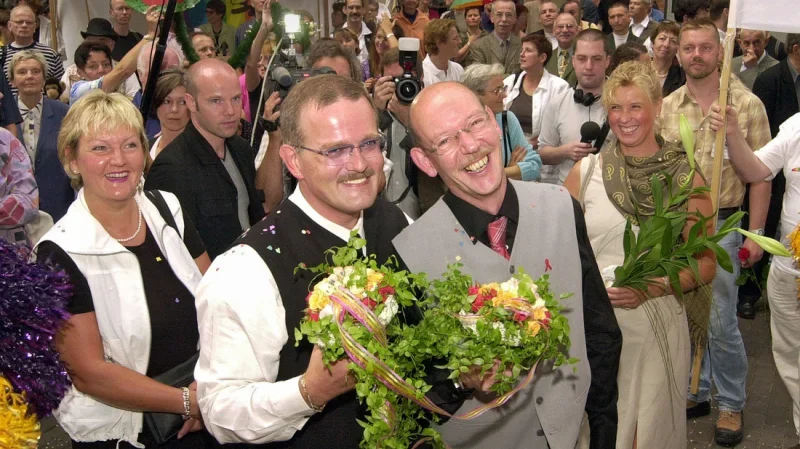
The Protestant Church in Bavaria, one of Germany's more socially conservative states, has voted to grant full and equal marriage rights to same-sex couples. The decision, made by the church's regional synod, formally ends the long-standing practice of offering same-sex couples a separate and distinct "blessing" ceremony rather than a marriage service.
What the New Law Changes
Following a lengthy period of debate, the synod passed the "Church Law for the Re-regulation of Church Marriage" with a large majority. The new regulation, which will take effect in January, establishes that there is no longer any theological or legal distinction between the marriage of heterosexual and homosexual couples within the Bavarian church.
While the move represents a significant step towards inclusion, it includes a compromise. A "conscience clause" remains in place, meaning individual pastors who object to same-sex marriage on personal theological grounds cannot be forced to officiate these weddings. However, the law now includes a crucial new requirement:
- Duty to Assist: A pastor who declines to perform a wedding for a same-sex couple is now obligated to help them find and secure another pastor who will.
- No Venue Veto: The synod also decisively voted that a couple cannot be denied the right to marry in their desired church, regardless of the local pastor's personal stance. The wedding must be able to take place "at the requested location."
Proposals that would have required a refusing pastor to provide a formal justification for their decision, or to have that decision reviewed by a senior dean, did not receive majority support.
A Step Forward in a Conservative Region
The decision is particularly noteworthy given Bavaria's reputation as a traditional and conservative heartland in Germany. The move brings the regional church in line with many other Protestant bodies across the country and Europe that have already embraced marriage equality.
For context, the Protestant Church in the Netherlands (PKN) has permitted blessings for same-sex relationships since 2004, making the Dutch church an earlier adopter of more inclusive policies. This development in Bavaria signals a continuing, if sometimes slow, shift towards greater LGBTQ+ acceptance within mainstream European religious institutions.
A Long-Awaited Change
The vote is the culmination of a process that began over a year and a half ago, when the synod first passed a general resolution in favour of equality. This new law now formally codifies that principle, providing legal certainty and equal standing for queer couples seeking to have their union recognized by their church.