
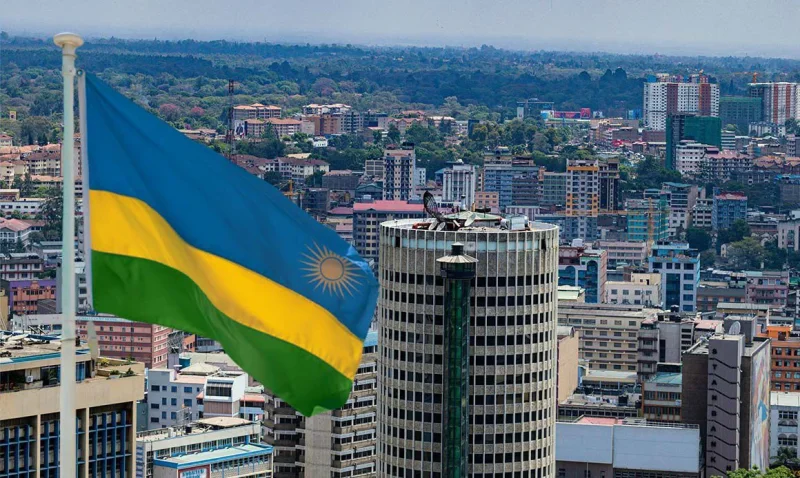
The Dutch government has joined forces with Germany, Austria, Denmark, and Greece to pursue a controversial plan for a joint 'return hub' in Rwanda. The proposal would see asylum seekers who are denied residency in the EU deported to the East African nation, even if they have no prior connection to the country.
The initiative, based on a new EU regulation, is intended to streamline the deportation process for individuals without a legal right to remain. However, it has drawn sharp criticism from a coalition of 46 human rights organizations across 16 countries, including prominent voices like ILGA-Europe and Amnesty International.
A 'Flawed and Dangerous' Model
Critics argue that the plan effectively outsources the EU's humanitarian responsibilities and creates a system where vulnerable people are moved to locations with less oversight and weaker legal protections. The coalition warns that this model undermines the fundamental principles of international protection.
In a joint statement, the organizations expressed deep concern, stating: "The risks associated with such 'return hubs' are not implementation errors but are inherent to the model's purpose. Neither the choice of a partner country nor legal guarantees or institutional control can eliminate the fundamental risks."
Severe Risks for LGBTQ+ Individuals
For LGBTQ+ asylum seekers, the plan poses a unique and severe set of threats. Many flee their home countries precisely because of persecution based on their sexual orientation or gender identity. Rights groups warn that deporting them to a third country like Rwanda could expose them to new dangers. Specific concerns include:
- Lack of Safety and Protection: Individuals could be sent to a country where LGBTQ+ people face legal discrimination, social hostility, and violence, recreating the very conditions they sought to escape.
- Disruption of Critical Healthcare: Access to essential medical care is a major worry. This includes hormone replacement therapy (HRT) for transgender individuals, antiretroviral therapy (ART) for people living with HIV, and mental health support, which may be unavailable or inaccessible.
- Increased Vulnerability: In a potentially hostile environment, LGBTQ+ individuals are less likely to report abuse or discrimination, making them more vulnerable to violence and exploitation within these centers.
Why Rwanda is a Problematic Choice
The choice of Rwanda as the host country is a key point of contention. According to ILGA, the country lacks comprehensive anti-discrimination laws that explicitly protect people on the grounds of sexual orientation or gender identity. Furthermore, there is no legal process for gender recognition, which creates significant barriers for transgender individuals in daily life and when dealing with authorities.
By sending queer asylum seekers there, the participating EU states—including the Netherlands—risk placing them in a society where they again face systemic discrimination and social exclusion. This, the organizations argue, is a direct contradiction of the EU's international protection obligations.
A Call to Uphold European Values
The 46 organizations are calling on the Netherlands and its four partners to abandon the plan for the Rwanda hub entirely. Instead of outsourcing migration control, they urge the EU member states to invest in fair, humane, and effective long-term solutions. This includes providing the necessary resources to allow people a genuine opportunity to integrate and participate equally in society.
The coalition's appeal concludes with a reminder of the EU's founding principles: "These are the values on which the EU was founded, and we encourage the EU to live up to these values."