A Frustrating Déjà Vu in Groningen
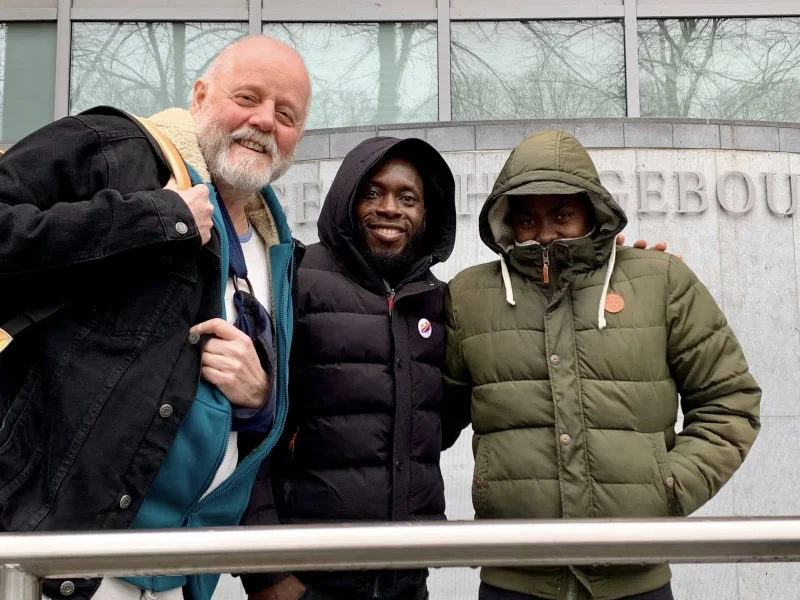
For a gay Ugandan man and his supporters, last week's hearing at the Groningen courthouse felt like a painful rerun. Flanked by his partner and loyal friends, he once again faced the Dutch Immigration and Naturalisation Service (IND) in a battle for his right to safety—a battle he technically already won once before.
LGBT Asylum Support, which has been assisting the man for seven years, described the scene as a near-identical repeat of a previous session in Zwolle. In that earlier case, the court sided with the asylum seeker, ruling that the IND had failed to properly assess his claim. Yet, despite the court's decision, the IND issued another rejection, forcing everyone back to square one.
The Core Problem: A Lack of Cultural Understanding
The central issue, then and now, is the IND's profound lack of a proper frame of reference for the realities of being queer in Uganda. In a detailed 2023 report, LGBT Asylum Support argued that the IND expects traumatized asylum seekers to articulate their identity with a level of openness and detail that is simply unrealistic for someone fleeing a deeply oppressive, homophobic culture.
"The IND expects a performance of 'gayness' that aligns with a Western, liberal standard," a representative from the support group explained. "They fail to account for the shame, fear, and modesty ingrained by a society where your very existence is a crime."
This cultural blindness was on full display in the courtroom. The man's characteristic modesty—a trait typical for many Ugandans—is being used against him as 'proof' that he isn't convincingly gay. Meanwhile, the IND, positioning itself as the expert, arrived with an imposing team of five officials to argue their case.
A Wall of Disbelief
The human evidence standing in stark contrast to the IND's bureaucratic skepticism was palpable. The man's partner was present, ready to testify about their long-term relationship. The IND, however, dismissed his potential testimony, arguing he was already familiar with the applicant's statements. The same friends who wrote letters of support in 2023 were there again, seeing and affirming him as the gay man he is.
To the IND, this real-life evidence of a loving relationship and a supportive community seems to matter less than perceived inconsistencies in a formal testimony delivered under immense pressure. After years of living openly in the Netherlands and overcoming deep-seated shame, the government still deems his relationship "implausible."
A Story That Must Be Told
Given the opportunity to speak, a representative from LGBT Asylum Support addressed the court directly, condemning the repetitive and pointless nature of the proceedings. They also announced that the couple's story will be featured in the upcoming book, #NietGayGenoeg deel 2 #TrueStories (#NotGayEnough Part 2), which focuses on queer couples whose relationships are unjustly questioned by the IND.
The case leaves the Dutch LGBTQ+ community with a chilling question: If a man who has built a life and a relationship in freedom, supported by his partner and friends, is still not believed, then what does it take? When, in the eyes of the Dutch government, are you finally #GayGenoeg?