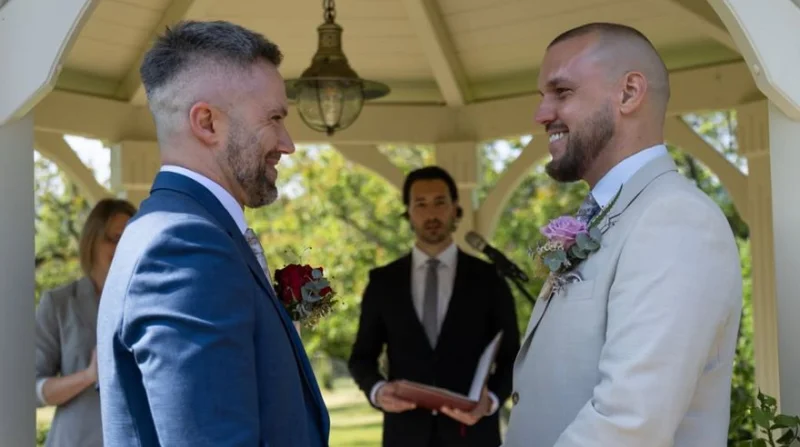
The choice of location was a necessity. In Slovakia, marriage is constitutionally defined as a union exclusively between a man and a woman, leaving couples like Sabo and his husband with no path to legal marriage in their own country. Austria, in contrast, has permitted same-sex marriage since 2019. By crossing the border to marry, Sabo, a prominent member of the opposition, has made a powerful statement about the state of LGBTQ+ rights under Slovakia's current government.
Sabo, 43, is a member of the Slovak National Council for the liberal Progresívne Slovensko (Progressive Slovakia) party, a leading opposition force against the government led by right-wing nationalist Prime Minister Robert Fico. Fico's administration has pursued a national-conservative agenda that has been openly hostile to LGBTQ+ rights, creating a challenging environment for the queer community.
A Political Act with European Implications
The wedding is more than a personal milestone; it is a deliberate political act. After the ceremony, the couple shared photos on social media, which were quickly picked up by Slovak media outlets, generating significant and largely positive public discussion. For many in Slovakia's embattled queer community, the event serves as a visible symbol of hope and resistance.
The marriage also carries significant legal weight within the wider European Union. According to landmark rulings by the European Court of Justice, such as the 2018 Coman case, all EU member states must recognise same-sex marriages performed in other member countries for the purpose of granting residency rights. While this does not force Slovakia to legalise same-sex marriage, it does put the government under pressure to recognise the legal status of Sabo and his husband in some capacity, setting up a potential test of EU law supremacy over national legislation.
Sabo, a former television presenter who publicly came out as gay about a year ago, is one of the most visible LGBTQ+ figures in Slovak politics. His marriage serves as a direct challenge to the legal and social barriers faced by same-sex couples in his country and a reminder of the ongoing fight for equality across Europe.