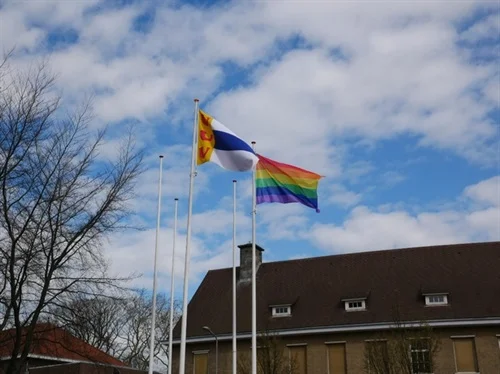
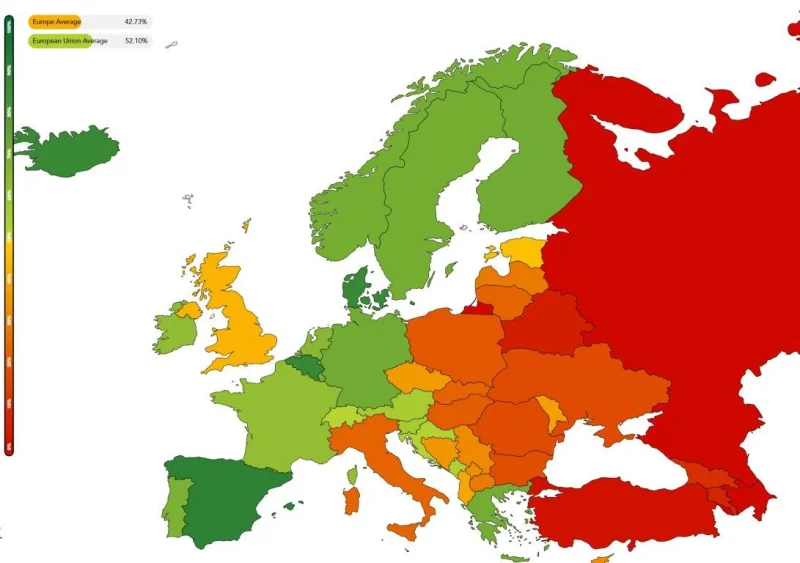
Once a pioneer in LGBTQ+ rights, the Netherlands finds itself in a familiar, and increasingly uncomfortable, position: 13th place on the ILGA-Europe Rainbow Index, a comprehensive annual ranking of legal and policy protections for queer people across 49 European nations.
The results paint a picture of a country resting on its laurels. While the Netherlands famously became the first country to legalize same-sex marriage 25 years ago, the latest index suggests a significant lack of progress in recent years, allowing other nations to pull ahead.
"We led the world when we opened up marriage to same-sex couples," said Myrtille Danse, chairperson of COC Netherlands. "Now we're lagging behind in 13th place. It's high time for a catch-up, so that everyone in the Netherlands can be themselves safely and visibly."
Why the Stagnation?
According to ILGA-Europe's analysis, the Netherlands' score is held back by several key areas of inaction. These include:
- A lack of robust government measures to combat anti-LGBTQ+ violence and hate crimes.
- The continued delay in reforming the 'Transgenderwet' (Transgender Act), a legislative update that would simplify the process for legal gender recognition.
- The absence of specific laws to protect the human rights and bodily autonomy of intersex children.
These issues were all addressed in the 'Regenboog Stembusakkoord' (Rainbow Election Agreement), a set of commitments signed by seven political parties. The current governing coalition of D66, VVD, and CDA agreed to implement the accord, but tangible results have yet to materialise.
Spain Shows the Way with 'Political Courage'
This year, Spain has taken the top spot on the index for the first time, displacing long-time leader Malta. ILGA-Europe attributes Spain's rise to "political courage," highlighting its government's decision to actively advance equality despite authoritarian pressures. Recent Spanish legislation has improved protections for the entire LGBTQ+ community and enhanced healthcare access for transgender people.
"It's time for the Dutch government to follow Spain's example and show their full support for the transgender community," urged Remke Verdegem, chairperson of Transgender Netwerk. "The Netherlands should take the concerns of the trans community seriously, so we can finally get back into the top 10."
The top five countries on the 2026 Rainbow Index are:
- Spain
- Malta
- Iceland
- Belgium
- Denmark
A Continent of Contrasts
The index also reveals a worrying trend of regression in other parts of Europe. Slovakia recently passed a constitutional amendment that curtails the rights of LGBTQ+ people, while human rights in Turkey and Russia continue to deteriorate rapidly. Russia remains at the bottom of the list, where LGBTQ+ organisations are now officially labelled as 'extremist'.
Katrin Hugendubel of ILGA-Europe framed the situation starkly: "This year's map tells two stories. One of genuine courage, in Spain and with leaders who choose to stand with their communities instead of scapegoating them. And one of real and growing danger that should not be underestimated. The question every government must now answer is which story they want to be a part of."
The Rainbow Index evaluates countries based on 76 criteria related to laws and policies, not on public opinion or social acceptance.