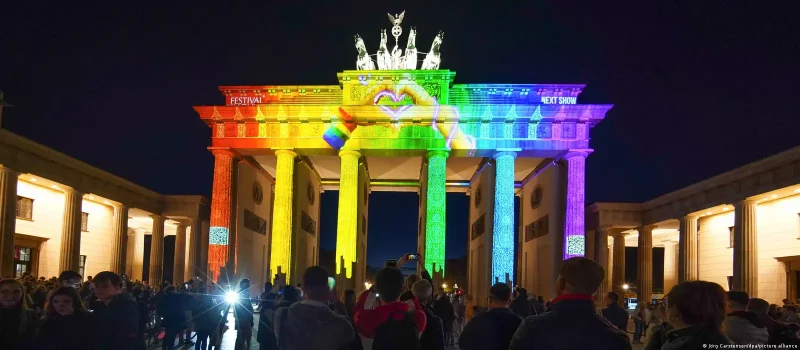
For many in the Netherlands, Berlin is seen as a queer capital—a nearby hub of freedom and acceptance. However, data released by the city's long-standing LGBTQ+ counseling service, Maneo, paints a more complex picture. In its latest annual report, the organization documented 723 cases of anti-queer hostility and violence in 2023, a figure consistent with the previous year's high levels.
These incidents range from verbal harassment and threats to severe physical assaults. According to Maneo, which has been supporting victims for over 36 years, the attacks occur across all facets of life: on the streets, on public transport, online, at work, and even within family homes.
Hotspots and Tactics
The report identifies Berlin's most visibly queer districts—Schöneberg, Neukölln, Kreuzberg, and Friedrichshain—as the primary locations for these attacks. These are areas celebrated for their vibrant nightlife and large LGBTQ+ populations, but this very visibility appears to make residents and visitors a target.
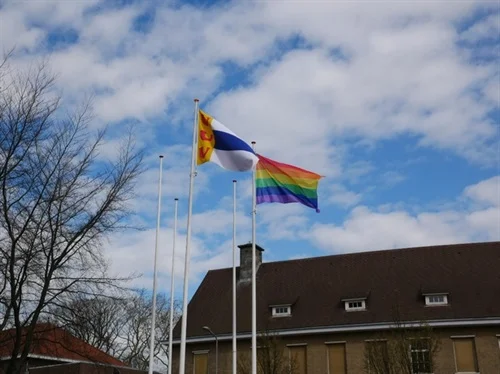
Of the total incidents, 165 took place on public streets or transport. The report also highlights a disturbing trend where perpetrators use dating apps to lure individuals into meetings, only to rob or assault them. Community spaces are not immune; the report notes instances of initiatives and venues being targeted with eggs, bottles, and stones, and rainbow flags being torn down or damaged.
The Human Cost Behind the Numbers
The statistics represent real and often traumatic experiences. The Maneo report included several anonymized examples to illustrate the nature of the violence:
- Two women were verbally abused and pushed on a bus in Steglitz for kissing.
- A driver for a ride-sharing service threw two gay men out of his car.
- A gay refugee was repeatedly insulted and physically attacked by youths in his shared accommodation.
- Several gay men were beaten and robbed in a park at night.
A Problem Largely Unseen
Perhaps the most sobering finding from Maneo is the scale of underreporting. The organization estimates that the true number of incidents is far higher, with a potential "dark figure" of 80 to 90 percent. This suggests that for every reported case, as many as nine others go undocumented, often due to fear, shame, or a lack of faith in law enforcement.
The threat extends even to those providing support. In the autumn of last year, Maneo's own offices in Schöneberg were the target of multiple attacks, prompting a police investigation and a public call for information. It serves as a stark reminder that even in a city famed for its tolerance, the fight for safety and acceptance is an ongoing struggle.