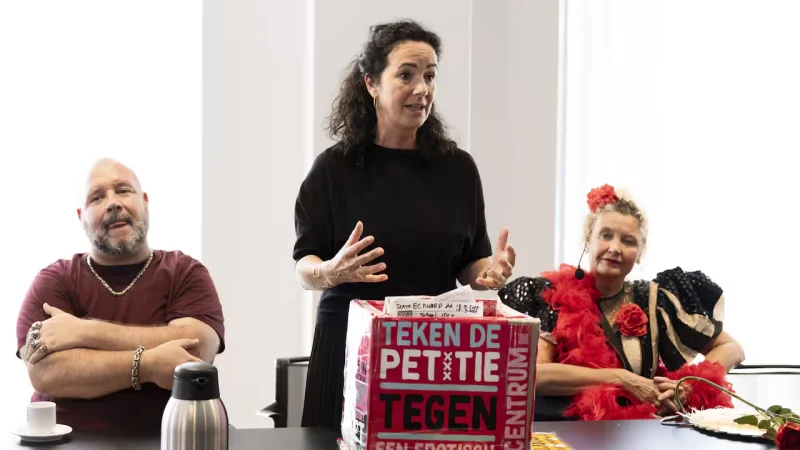
The future of Amsterdam's much-debated Erotic Center is now in serious doubt after Mayor Femke Halsema announced a halt to all preparations. In a letter to the city council, Halsema confirmed that the decision on the controversial project will be passed to the new municipal government following the elections next March.
The proposed center, slated for the Europaboulevard in the Zuid district, has been a cornerstone of Halsema's policy since 2019. It was envisioned as a modern, safer alternative to the historic Red Light District (De Wallen), aiming to improve conditions for sex workers, combat crime, and reduce the overwhelming tourism pressure in the city center.
Crumbling Support and Public Pushback
The decision to pause the project comes after a period of intense public and political scrutiny. According to the mayor's letter, the city received around 800 official responses from the public during consultation periods. The majority of these expressed significant concerns or outright opposition to the center's location, necessity, and overall objectives.
This public sentiment has been mirrored by a noticeable cooling in political support. Recently, the coalition party D66 announced it was removing the Erotic Center from its election platform, dealing a major blow to the project's viability. While other parties like GroenLinks remain in favor, the once-solid backing for the plan has clearly fractured.
Halsema acknowledged the project's complexity, stating, "It's about carefully weighing the position of sex workers, the livability of the neighborhood, and the safety of visitors and employees." By delaying the next phase—the investment memorandum—the current administration is effectively punting one of its most contentious issues to its successors.
A Project Years in the Making
The Erotic Center was born from the 'Aanpak Binnenstad' (City Center Approach), a comprehensive plan to reclaim Amsterdam's historic heart from the negative impacts of mass tourism and organized crime. For years, advocates have argued that the cramped, outdated conditions in De Wallen make sex workers vulnerable to exploitation and create an unsafe, circus-like atmosphere.
The center was designed to offer a controlled environment with private, indoor spaces, moving away from the exposed window-fronts of the current district. It was also intended to house cultural, artistic, and educational elements related to eroticism and sexual health, creating a more holistic and less stigmatized environment.
What Now for Amsterdam's Sex Workers?
This delay leaves the future for many of the city's sex workers in limbo. While the Erotic Center faced criticism, it also represented a potential path toward better, safer, and more professional working conditions. The city has long maintained that the status quo in the Red Light District is unsustainable, yet the primary proposed solution is now stalled indefinitely.
With the project's fate now tied to the outcome of the municipal elections, the debate over how Amsterdam regulates and facilitates sex work is set to become a key campaign issue. For the city's LGBTQ+ community and its allies, the central question remains: can Amsterdam find a progressive path forward that truly prioritizes the safety and dignity of sex workers, or will political indecision leave them in an increasingly precarious position?