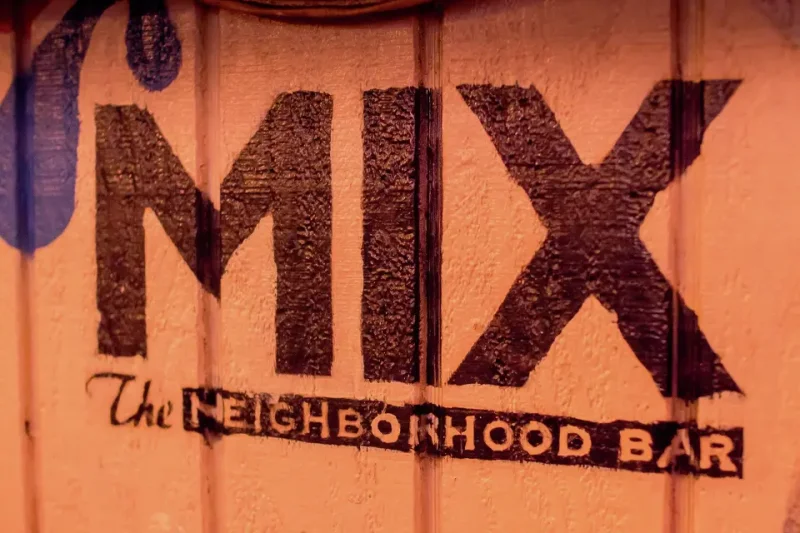
Community pressure has led a well-known gay bar in San Francisco to reverse its decision to use an advanced ID scanning system that collected personal data and used facial recognition on its patrons.
The Mix, a long-standing venue in the city's historic LGBTQ+ Castro district, is discontinuing its use of the PatronScan system. The technology was initially implemented as a security measure to identify and bar individuals who had previously caused trouble, but it quickly drew criticism from customers and privacy advocates concerned about its implications for a vulnerable community.
How the System Worked
PatronScan requires customers to have their official ID scanned upon entry. The system captures personal information, including name, date of birth, and photo. It then uses facial recognition to create a digital profile of the patron, which can be added to a networked database shared by other bars and clubs using the service. This allows venues to enforce bans across multiple locations.
While the bar's owner initially defended the system as a tool to improve safety, patrons raised alarms about the creation of what is essentially a database of people who frequent LGBTQ+ spaces. Concerns focused on several key areas:
- Data Privacy: Questions arose about who has access to this sensitive data, how it is stored, and how it might be used or shared in the future. For many, the idea of a private company holding a list of LGBTQ+ individuals and their nightlife habits was deeply unsettling.
- Potential for Misuse: The system raised fears about how it could impact transgender and gender non-conforming individuals, whose appearance may not perfectly match their ID photo, potentially leading to being flagged or denied entry.
- Erosion of Safe Spaces: Critics argued that such surveillance technology undermines the very concept of a queer bar as a sanctuary. Instead of feeling safe from judgment, patrons felt they were being monitored, turning a community hub into a place of scrutiny.
A Lesson in Community Power
The response from the San Francisco community was swift. Through social media discussions, direct feedback to the bar, and the threat of boycotts, patrons made their opposition clear. They argued that safety should not come at the cost of privacy and that alternative security measures could be used without resorting to invasive data collection.
Faced with this sustained pressure, the bar's management listened and ultimately agreed to remove the system. The outcome is being seen as a significant victory for community action and a powerful statement on the importance of privacy within LGBTQ+ venues.
A Global Conversation
While this incident took place in the United States, it highlights a global conversation about the increasing use of surveillance technology in public life. For LGBTQ+ communities in the Netherlands and elsewhere, it serves as a case study on the importance of questioning what 'safety' means and who it truly serves. As technology evolves, the debate over how to protect our community spaces—both from physical threats and from digital intrusion—will only become more critical.