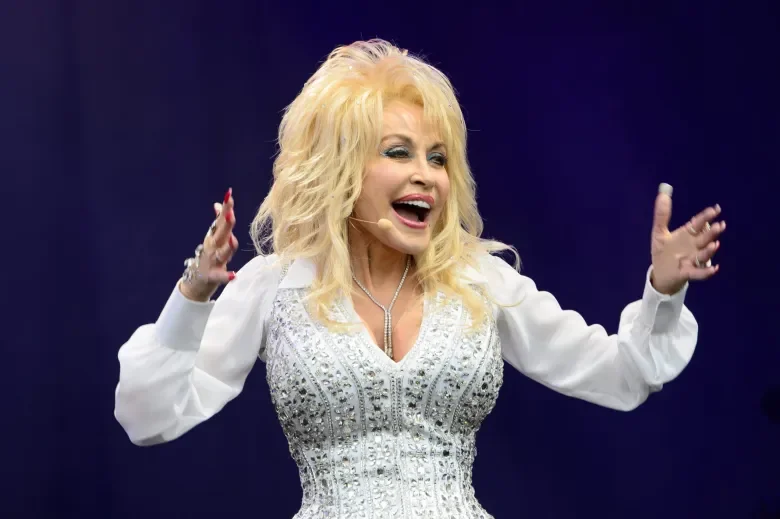
For many, Dolly Parton is an image: big hair, sparkling rhinestones, and the unmistakable voice behind hits like "Jolene" and "9 to 5." But beneath the camp and glamour lies a long, consistent history of allyship with the LGBTQ+ community, one that began long before corporate logos were tinged with rainbow colours each June. John Casey reminds us in a piece on The Advocate.
A Radical Act of Inclusion in 1991
To understand the depth of Parton's support, one has to go back to 1991. At the height of the AIDS crisis, when "gay" was a word seldom spoken with kindness in mainstream American culture, Parton released the song "Family." Tucked away on her album Eagle When She Flies, the lyrics list various relatives: "Some are preachers, some are gay, some are addicts, drunks and strays."
She concludes the verse with, "but not one of them gets turned away." In the hyper-conservative world of 1990s country music, casually and lovingly including "gay" people as an integral part of a family was not just unusual; it was a quiet act of revolution. She didn't issue a press release or seek applause; she simply placed queer people within the family portrait, unconditionally.
A Pattern of Unwavering Support
This was not an isolated incident. Parton's support has been a consistent thread throughout her career. In 2005, she wrote the song "Travelin' Thru" for the film Transamerica, which tells the story of a trans woman meeting her long-lost son. The song earned her an Oscar nomination, lending her significant cultural capital to a trans-focused story at a time when few major artists would.
Her public comments have been just as supportive, always delivered with her signature wit. When asked about marriage equality in a 2009 interview, she famously quipped, "Sure, why shouldn't they get married? They should suffer just like the rest of us." It was a joke, but for a community fighting for basic rights, the message of normalization was clear and deeply appreciated.
This philosophy extends to her business. After an employee at her theme park, Dollywood, reportedly asked a guest to turn a "Marriage is so gay" t-shirt inside out, Parton intervened. She later clarified her position, stating that Dollywood is a family park and that all families are welcome.
An Ally Without Fanfare
What has long distinguished Parton's allyship is its lack of performativity. She has embraced her large drag following for decades, once joking that she lost a Dolly Parton lookalike contest in a gay bar. Her support doesn't appear to be a calculated marketing move but rather a fundamental part of her worldview: an inability to see people as anything other than human.
In an era of fleeting social media activism, Parton's decades of quiet, unwavering inclusion serve as a different kind of model—one built on empathy rather than branding. A recent opinion piece in The Advocate reflected on this long history, noting that she stood with the community "without fanfare, calculation, or apology."