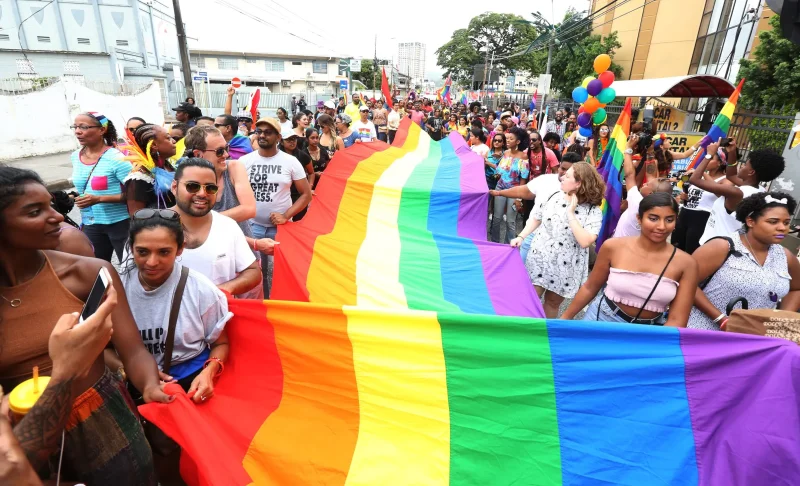

The Wikimedia Foundation, the non-profit that operates Wikipedia, has been hit with a new series of fines by a Russian court for its refusal to censor content. A Moscow court imposed penalties totaling 15.2 million rubles (approximately €166,000) for what it termed violations of Russian law, including the presence of “LGBT propaganda” on the online encyclopedia.
The ruling is the latest move in Russia's ongoing campaign to control the digital information space, a campaign that has intensified since the full-scale invasion of Ukraine. The country's infamous "gay propaganda" law, which originally banned the promotion of "non-traditional sexual relations" to minors, was expanded in late 2022 to apply to all ages, effectively outlawing any public expression or positive depiction of LGBTQ+ life.
A Pattern of Pressure
According to reports from the Tagansky district courtroom, the fines were issued across four separate proceedings against the Wikimedia Foundation. Besides the articles on LGBTQ+ topics, the court also took issue with information about GOST standards used by the Russian Ministry of Defence, which the judge classified as a “military secret.”
The cases were initiated after Wikimedia ignored formal takedown requests from Roskomnadzor, Russia's federal media and communications watchdog. This legal mechanism, under Article 13.41 of the Code on Administrative Offences, has been frequently used to pressure tech companies into complying with state censorship.
Overseeing the proceedings was Judge Alexandra Anokhina, a figure well-known in human rights circles for presiding over politically sensitive cases. She has been responsible for a significant number of rulings related to Russia's “foreign agent” law, another tool used to stifle dissent and independent media.
Part of a Broader Clampdown
The action against Wikipedia was not an isolated event. On the same day, Judge Anokhina also fined other major tech platforms:
- Telegram was fined for refusing to remove posts about the Chechen Republic of Ichkeria, as well as reports on Russian military losses and alleged war crimes in Ukraine.
- Google received a penalty for the availability of VPN services on its app store, which allow users to circumvent state censorship and access blocked websites.
This is not the first time the Wikimedia Foundation has been targeted. The organization has consistently maintained a stance of not bowing to government demands for censorship. Previous fines include:
- February 2023: A 2 million ruble fine for articles detailing the locations of three Russian military units.
- April 2022: Fines for refusing to remove articles about the massacre in Bucha, the destruction of a hospital and theatre in Mariupol, and instructions for making gunpowder.
The foundation's refusal to remove factual information about the war in Ukraine and LGBTQ+ topics places it in direct opposition to the Kremlin's narrative, resulting in this escalating legal and financial pressure.