New data has revealed a concerning reality about personal safety in Amsterdam, with a recent study showing that 19% of residents aged 16 and over have been a victim of sexual misconduct in the past year. The figure is even more alarming for young people, soaring to 40% for those between 16 and 30 years old.
The figures, originally from the Central Bureau for Statistics (CBS) and analyzed by the municipality, paint a stark picture of life in the capital compared to the rest of the country. Amsterdam's rate of 19% is significantly higher than the national average of 12%. The report suggests this may be partly due to the city's younger population, a group that is disproportionately affected.
The gender disparity is also clear: women were nearly three times as likely to be victims as men. When looking at specific types of incidents, offline sexual intimidation was found to be almost twice as common in Amsterdam as elsewhere in the Netherlands. Furthermore, over one in eight young Amsterdammers reported experiencing physical sexual violence in the last twelve months.
Domestic Violence and Stalking Also Prevalent
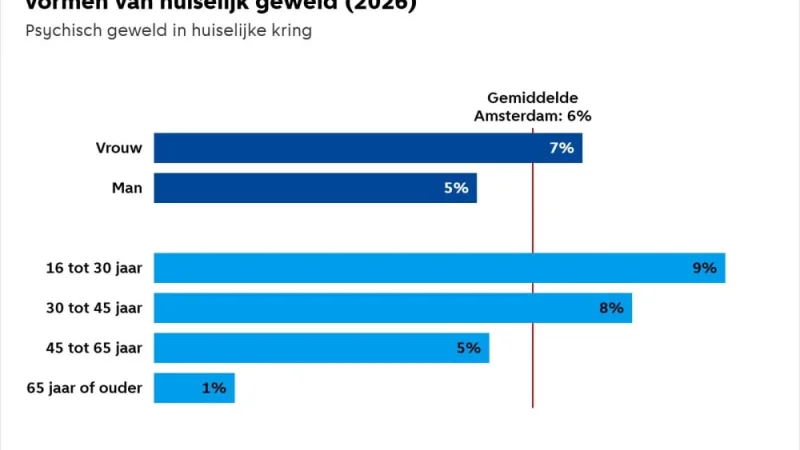
The research didn't stop at public or online misconduct. It also found that one in ten Amsterdammers experienced domestic violence in the past year, a rate consistent with the national average. Again, young people and women were more frequently victimized. The most common form of abuse reported was psychological, followed by physical and sexual violence.
Stalking also emerged as a significant issue, with women in Amsterdam being three times more likely than men to report being stalked.
What This Means for Our Community
While these statistics are concerning for all residents, they raise specific questions about safety for vulnerable communities. The CBS data does not provide a specific breakdown of experiences for LGBTQ+ individuals. This is a notable omission, as numerous international studies consistently show that queer and trans people, particularly youth, face disproportionately higher rates of sexual violence, harassment, and stalking.
The high figures for young people and women in this Amsterdam-specific report serve as a critical, if indirect, indicator of the risks our own community faces daily. It underscores the ongoing need for safe spaces, robust support systems, and more inclusive research that specifically addresses the safety and well-being of LGBTQ+ people in the Netherlands.