A Year of Contradiction and Resilience
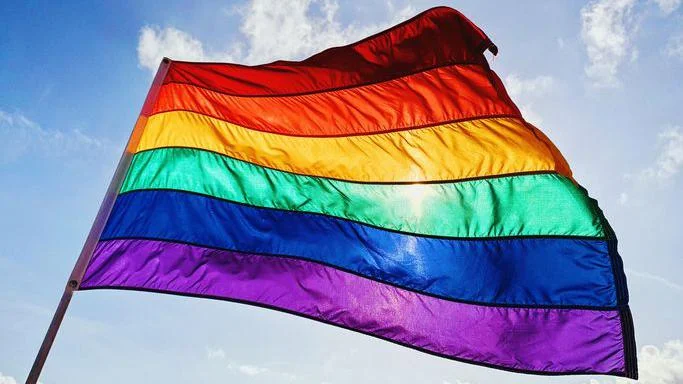
As 2025 draws to a close, the Dutch LGBTQ+ community is left to reflect on a year defined by a dizzying mix of progress and pushback. We witnessed historic milestones in political representation and long-awaited legal protections, yet simultaneously faced significant legislative defeats and troubling safety statistics. It was a year that proved, once again, that our rights are not a destination but a continuous journey of advocacy and vigilance.
Key Takeaways from 2025:
- Political Highs: The Netherlands saw unprecedented queer visibility in politics, with Rob Jetten as a potential first openly gay Prime Minister and Thom van Campen becoming the first openly gay male Speaker of the House.
- Major Legal Win: A nationwide ban on so-called 'conversion therapy' was finally passed into law.
- Legislative Rollercoaster: The much-debated Transgender Act, withdrawn in July, was unexpectedly revived for debate by Parliament in a dramatic last-minute vote in December.
- Asylum Barriers: New asylum policies created significant barriers for LGBTQ+ refugees.
- Community Power: New CBS data officially estimates the Dutch LGBTQ+ population at 2.7 million, providing powerful leverage for future policy and funding.
- Global Polarization: The international landscape became increasingly divided, with progress in some nations set against severe crackdowns in others, particularly targeting transgender rights.
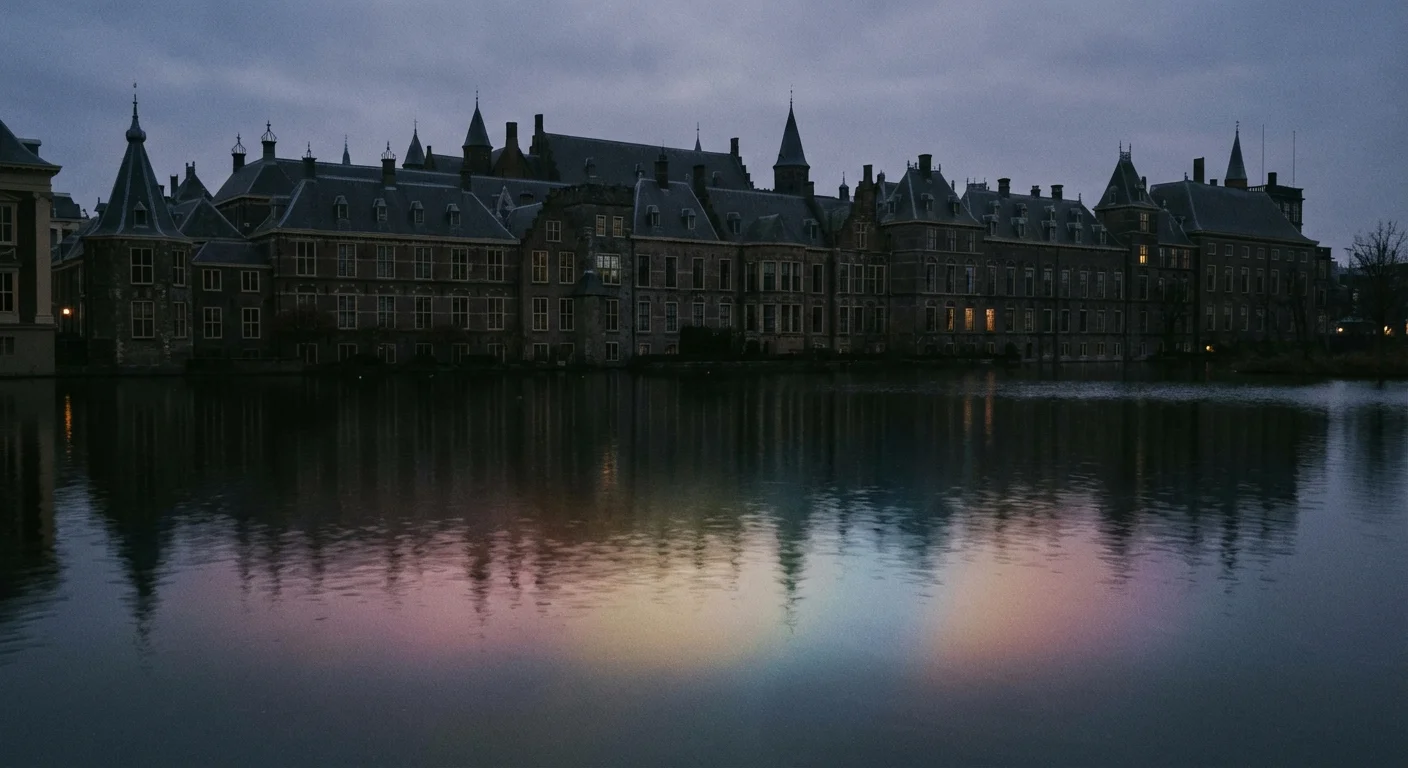
Mixed Signals from The Hague
The political heart of the Netherlands sent conflicting messages throughout the year. On one hand, queer representation reached an all-time high. The prospect of D66's Rob Jetten becoming the nation's first openly gay Prime Minister became a tangible reality, a powerful symbol of progress regardless of political affiliation. This was complemented by the election of VVD's Thom van Campen as the new Speaker of the House, the first openly gay man to hold the position, following in the footsteps of Vera Bergkamp, the first openly queer woman in the role.
The year's most celebrated legislative victory was undoubtedly the passage of the Conversion Therapy Ban. After years of debate and activism, this law definitively outlaws harmful and pseudoscientific practices aimed at changing a person's sexual orientation or gender identity. It's a critical protective measure that sends a clear message: our identities are not disorders to be cured.
However, these victories were soured by significant disappointments in what can only be described as a legislative rollercoaster. In July, the government officially withdrew the much-debated Transgender Act. The bill, which would allow individuals 16 and older to change their legal gender based on self-determination without a mandatory expert statement, was considered a landmark reform. Its withdrawal was a profound blow to the transgender and non-binary community, halting progress towards bodily autonomy.
In a dramatic turn on December 19, however, the Tweede Kamer narrowly voted 77-73 to restart the debate, following a motion by Marjolein Moorman (GL-PvdA) and Ines Kostić (PvdD). While this surprise move offers a renewed glimmer of hope, it is only a first step. The legislative debate must still take place, and a final vote on the act itself remains uncertain, leaving the community in a state of cautious anticipation as the year closes.
Furthermore, a tightening of the Asylum Policy late in the year created an insidious trap for LGBTQ+ refugees. The new rules, which only permit married partners to join refugees in the Netherlands, effectively exclude same-sex couples from countries where their unions are not legally recognized—the very places they are often fleeing. It's a bureaucratic barrier that ignores the reality of persecution and puts vulnerable people at further risk.
Our Community: Visible, Counted, and Targeted
While politicians debated our rights, our community's presence became more undeniable than ever. A groundbreaking report from the Centraal Bureau voor de Statistiek (CBS) estimated the Dutch LGBTQ+ population at 2.7 million people. This isn't just a number; it's a powerful tool for advocacy, demanding proportional resources, healthcare funding, and policy considerations. The data also highlighted the diversity within our community, revealing the bi+ population as the largest subgroup.
This visibility was celebrated with vibrant energy across the country. The growth of regional Prides demonstrated that queer life thrives far beyond the Randstad. Roze Zaterdag in Zaanstad and record-breaking attendance at Pride events in Groningen and Maastricht showcased a nationwide embrace of queer identity.
This increased visibility, however, has a dark side. Police figures reported a sobering 25% increase in reported anti-LGBTQ+ violence in 2025. While authorities suggest this may partly reflect a greater willingness to report crimes, the violent reality cannot be dismissed. High-profile incidents, such as the targeted abuse in Venlo and the intimidation of a trans woman in Tilburg, serve as stark reminders that safety remains a critical concern.
The Global Chessboard: Progress vs. Persecution
The Dutch experience in 2025 mirrored a stark global polarization. The world is increasingly splitting into zones of relative safety and zones of active persecution for LGBTQ+ people.
Signs of Hope Abroad:
- Thailand became the first Southeast Asian nation to legalize same-sex marriage.
- Liechtenstein also saw marriage equality come into effect.
- Cuba approved self-declaration for changing gender on official documents.
- The EU Court of Justice ruled that all member states must recognize same-sex marriages from other EU countries for residency purposes, a key protection for mobile Dutch couples.
Alarming Global Crackdowns:
- The return of the Trump administration in the US brought immediate executive orders seeking to erase trans protections from federal policy, while the Supreme Court upheld a state ban on gender-affirming care for minors.
- Hungary banned all public LGBTQ+ events, including Budapest Pride.
- Burkina Faso and Kazakhstan passed new laws criminalizing homosexuality and "LGBT propaganda."
- Even progressive-leaning New Zealand banned puberty blockers for minors, highlighting how the global anti-trans movement is making inroads everywhere.
This global context makes one trend painfully clear: transgender rights have become the primary wedge issue for conservative movements worldwide, used to roll back protections for the entire queer community.
The Path Forward into 2026
2025 was a testament to our community's resilience. It taught us that progress is not linear and that every victory must be defended. As we look to the new year, the power of those 2.7 million voices in the Netherlands is our greatest asset. Staying informed, showing up for each other, and holding our leaders accountable is not just an option—it's a necessity. The fight continues, and together, we will continue to build a safer, more just future.