A Bright Light Extinguished by Hate
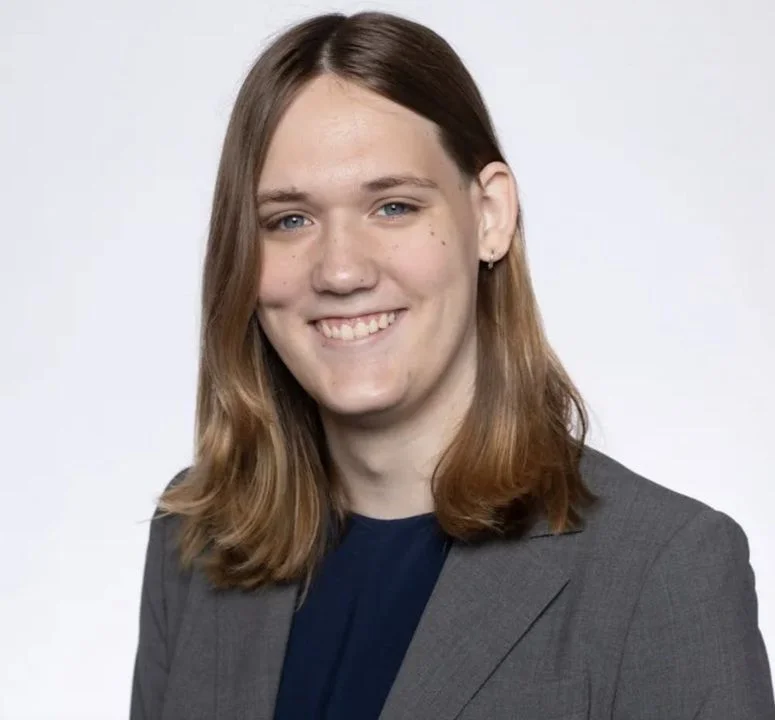
Lia Smith was more than a headline. She was a talented 21-year-old diver, a dedicated student of computer science and statistics at Vermont's prestigious Middlebury College, and a young trans woman who sought a safe space to be herself. Last October, that search ended in tragedy when Lia was found dead, her death later ruled a suicide. Her story, as revealed by friends and family to The New York Times, is a devastating account of the crushing weight of transphobia, both from personal attacks and the highest levels of political power.
Lia had chosen Middlebury College in the progressive state of Vermont specifically because its diving coach assured her she would be welcome on the women's team. It was meant to be a sanctuary. But the reality she faced was a stark and painful contrast. During her freshman year as the team's top diver, she endured hostility, was denied safe access to changing rooms, and faced what she described as a constant, pervasive "social critique" that ultimately drove her away from competing.
A War on Two Fronts
Lia's struggle was fought on two fronts: the deeply personal and the chillingly political. On campus and in the surrounding town, she was the target of direct harassment. Friends recounted how people would shout slurs at her from passing cars, and a fellow student even filed a formal complaint about her using the women's bathroom.
"One of the concerns she shared with me was that, because of her identity as a trans person, people just didn’t want her to exist," her housemate, Edy Cruz, told the Times.
At the same time, a far-reaching political and online campaign was closing in. In January 2025, just before the Trump administration's inauguration, Lia was targeted by the vicious anti-trans social media page "HeCheated." Her personal information, including her deadname, was posted for a hateful audience, even though she hadn't competed in three years. This digital assault was compounded by the administration's relentless attacks on the rights of trans people, particularly athletes. Lia was dismayed and exhausted by a political machine that manufactured a "national emergency" out of the existence of a handful of trans athletes.
"With fewer than 10 transgender athletes at the college level, with most of them at Division III, not going to the Olympics, what’s the national emergency?"
Fighting Back in a Hostile Climate
Despite the immense pressure, Lia did not stay silent. After being publicly targeted online, she bravely sat on a "counter-panel" at her college titled "Trans Healthcare is NOT a Debate!" to protest a talk sponsored by a conservative campus group. She spoke powerfully about the daily struggle of being a trans athlete.
"It’s really hard putting on the suit every day if you are obviously an outlier," she said at the time. "It’s also really hard going in a locker room where you’re not welcome, and there’s really not a clear space that I should be going to."
A Warning That Crosses Borders
While Lia's story unfolded in the United States, the political and social dynamics that contributed to her distress are increasingly visible across Europe, including in the Netherlands. The so-called 'debate' around trans athletes and the use of online platforms to coordinate harassment are tactics that transcend borders. The importation of these American-style culture wars serves as a somber warning for LGBTQ+ communities everywhere about the real, human cost of hateful rhetoric.
Lia Smith's life was a testament to courage in the face of adversity. Her death is a tragic indictment of a society that failed to protect her. In her memory, her family has asked for donations to be made to Middlebury’s Prism Center for Queer and Trans Life, which supports LGBTQ+ students.
Mental Health Support
If you or someone you know is struggling, please know that help is available. You are not alone.
- For readers in the Netherlands: You can contact 113 Zelfmoordpreventie 24/7 by calling 0800-0113 or visiting 113.nl for online chat support.
- Trans Lifeline: A peer support hotline run by and for trans people. Call (877) 565-8860 in the U.S. and (877) 330-6366 in Canada.
- The Trevor Project: A resource for LGBTQ+ youth (ages 24 and younger). Call (866) 488-7386 or visit TheTrevorProject.org/Help for chat services.