A Hidden History in Plain Sight
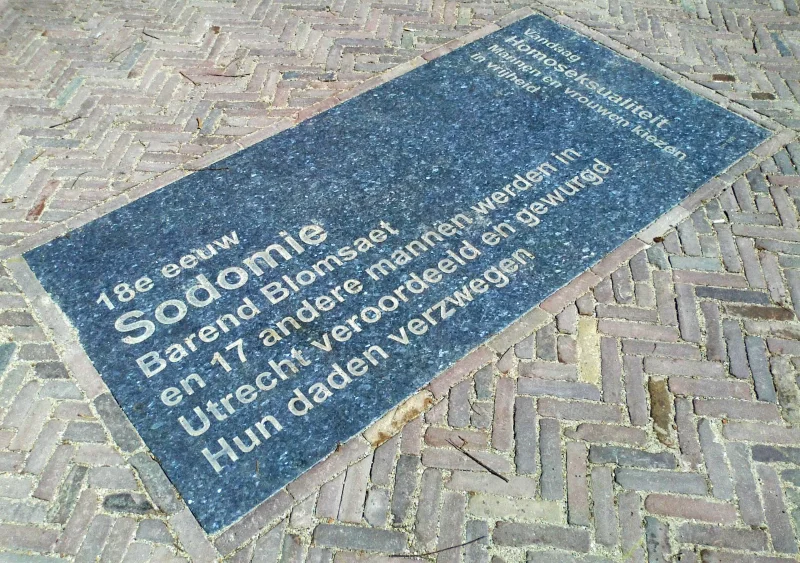
Thousands of residents and tourists walk across Utrecht's bustling Domplein every day, but few realize they are treading on a crucial piece of Dutch queer history. Since 1999, a subtle memorial stone has rested on the square, often overlooked and mistaken for just another paving slab. Now, thanks to a successful push by the city council, this monument to a dark and violent past may finally be brought out of the shadows.
Led by the GroenLinks party, a broad majority of the council has called on the city to make the Homomonument a more visible and educational landmark, reports utrecht.nieuws. Council member Ingeborg Hornsveld voiced the frustration shared by many: “This monument should no longer be something you walk over thoughtlessly. Its meaning should also be clear to tourists.”
From Questions to Action
During a recent council meeting, GroenLinks and other parties formally requested action. Their proposals are clear and practical: put the memorial stone in the spotlight with dedicated lighting, install clear signage explaining its significance, and add an English translation to educate international visitors.
The response from Alderperson Eva Oosters was positive. She acknowledged the importance of the monument and has pledged to investigate the possibilities, promising to work in consultation with Utrecht's local queer community to find the best way forward.
The Utrecht Sodomy Trials of 1730
The monument commemorates one of the darkest chapters in Dutch history. In 1730, the ruins of the Dom Cathedral on the square were a known meeting place for men. After a series of arrests and forced confessions, a massive moral panic erupted, leading to the infamous "Utrecht Sodomy Trials." This witch-hunt spread across the country, resulting in the persecution of hundreds of men. Many were executed, often by strangulation or drowning, for the so-called 'crime' of sodomy. The monument marks the spot where this horrific persecution began.
Why Visibility Matters Now
For the council members, this initiative is about more than just remembering the past; it's a statement about the present. Utrecht prides itself on being an open and inclusive city, but as Hornsveld noted, that reputation requires acknowledging the city's darker history.
“This monument tells a story of exclusion and violence, but also about the need for vigilance, especially in a time when queer rights are once again under significant pressure,” she stated. “If we say that Utrecht is a city where love is free, then we must also show what can happen when that freedom is denied.”
Making the monument more prominent serves as a powerful act of recognition for the victims and a reminder that the fight for LGBTQ+ rights is ongoing. As Hornsveld concluded, “Visibility is not a detail, but a powerful signal of recognition and solidarity. In this way, we are committed to an inclusive city, in which our LHBTIQ+ history and the rights of everyone are given a visible place.”