The Unlikely Champion of Fluidity
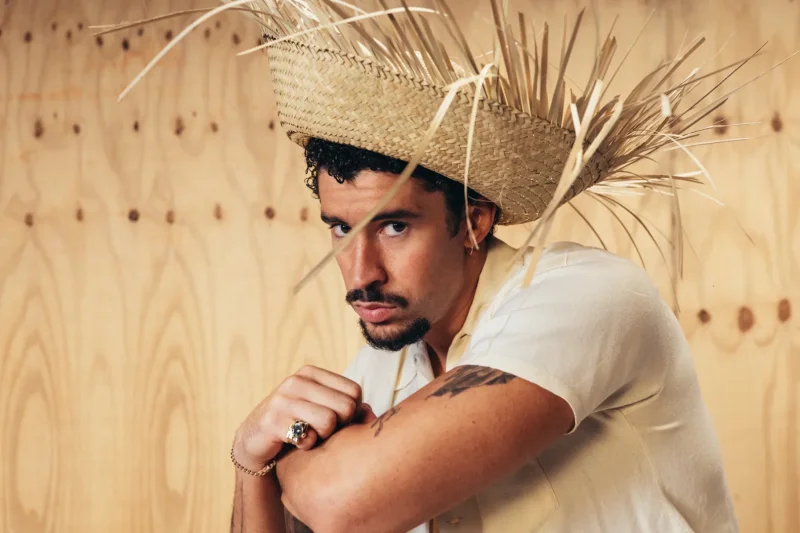
In the world of reggaeton and Latin trap—genres built on a foundation of hyper-masculine bravado—Benito Ocasio, better known as Bad Bunny, is an anomaly. While identifying as a heterosexual man, he has systematically dismantled the rulebook, using his unprecedented global platform to inject queer aesthetics and explicit allyship into the cultural mainstream. This isn't just about wearing a skirt; it's a calculated disruption of the very "machismo" that his music's genre has long celebrated.
His approach is less about claiming a queer identity for himself and more about shattering the rigid expectations placed on men. He has described his own sexuality as fluid, stating that "one never knows in life," a sentiment that resonates deeply with a generation increasingly dismissive of hard labels. This philosophy underpins his public performance of identity, turning fashion and music into tools of defiance.
A Timeline of Public Provocation
Bad Bunny’s support isn't limited to vague statements. He has created a portfolio of specific, high-profile actions that have forced conversations in spaces often hostile to them. These moments serve as a clear record of his evolving role as a prominent ally.
- The "Yo Perreo Sola" Statement (2020): He didn't just feature a drag queen in his video; he became the drag queen. Performing in full drag, he delivered a pointed message against gender-based violence, advocating for the right of women and queer people to dance alone without fear. It was a visual manifesto that reached millions.
- Justice for Alexa (2020): On one of the world's biggest stages, The Tonight Show Starring Jimmy Fallon, he used his performance to protest the murder of Alexa Negrón Luciano, a homeless trans woman in Puerto Rico. The shirt he wore was unambiguous: "They killed Alexa, not a man in a skirt." It was a direct condemnation of transphobia and the misgendering of victims.
- The VMA Kiss (2022): During a live performance of "Tití Me Preguntó," he kissed a male backup dancer. In the context of the VMAs, an event known for its manufactured controversies, this act felt less like a stunt and more like a deliberate normalization of queer affection in a typically heteronormative space.
- On-Screen Intimacy in Cassandro (2023): Taking on the role of a romantic interest to Gael García Bernal's titular queer luchador, Bad Bunny engaged in an on-screen kiss. By portraying queer affection without fanfare or apology, he lent his mainstream credibility to a significant piece of queer storytelling.
The Impact and the Questions
For his efforts, Bad Bunny was honored with the Vanguard Award at the 2023 GLAAD Media Awards, a recognition of his influence. Scholars and cultural critics point to his ability to hold two seemingly contradictory ideas at once: he performs a version of hyper-masculinity in his music while simultaneously embracing aesthetics—painted nails, floral prints, skirts—coded as feminine. This duality is perhaps his most effective tool, showing his vast male audience that masculinity is not a monolith.
Of course, this raises valid questions within the community. Is this authentic allyship or a brilliant marketing strategy that co-opts queer aesthetics for commercial gain? The answer is likely complex. While he profits from this gender-fluid image, the tangible effect is that he is forcing millions of his followers to confront their own prejudices. He is using the language of global superstardom to broadcast a message of tolerance and acceptance.
With a Super Bowl Halftime Show rumored for 2026, where he has vowed to highlight queer icons, the next chapter of his public advocacy is yet to be written. Whether you view him as a genuine activist or a savvy performer, his impact is undeniable. Bad Bunny has successfully Trojan-horsed queer visibility into the heart of popular culture, and it doesn't seem like he's stopping anytime soon.