
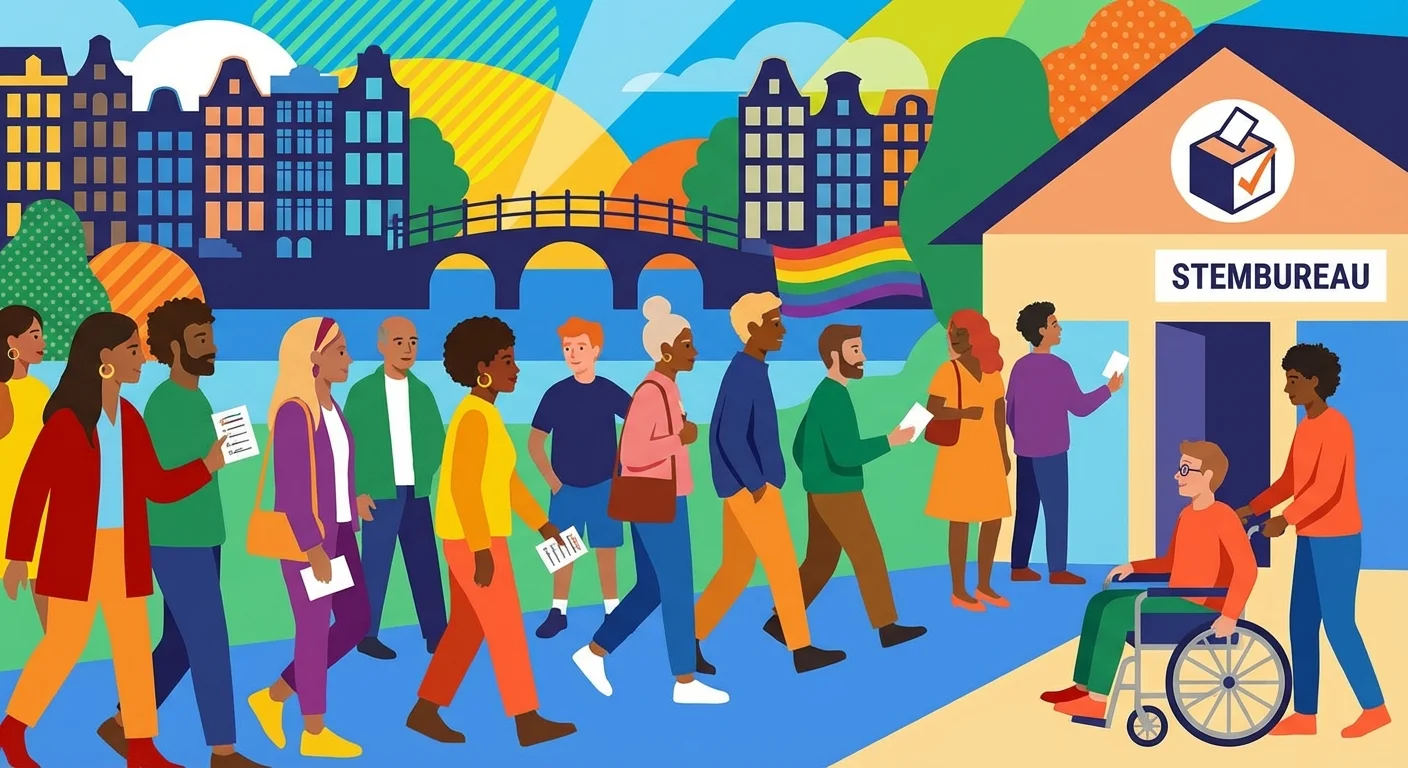
Unlike national elections, voting rights for municipal councils are extended to many non-Dutch residents. The policies set by the council have a direct bearing on the LGBTQ+ community, influencing everything from the funding for Pride Amsterdam to the resources allocated for anti-discrimination bureaus and public safety initiatives. Understanding how to vote, and what is at stake, is a vital part of being an engaged resident of this city.
Why These Elections Matter for Our Community
The Amsterdam Municipal Council (*Gemeenteraad*) holds the city's purse strings and sets its overarching policies. Their decisions can have tangible effects on LGBTQ+ life in the following areas:
- Community Funding: The council approves the city's budget, which includes subsidies for organizations like COC Amsterdam, which provides essential support, advocacy, and social spaces.
- Safety and Inclusion: Policies regarding public safety, police training on LGBTQ+ issues, and the handling of hate crimes are debated and decided at the municipal level.
- Healthcare: The city's public health service (GGD) is managed locally. Its policies on sexual health, trans healthcare access, and mental health support are influenced by the council's priorities.
- Culture and Visibility: The city's support for major events like Pride, as well as smaller cultural initiatives such as Queer & Pride, Milkshake Festival, and the Roze Filmdagen, depends on a supportive municipal government.
- Housing: As Amsterdam grapples with a housing crisis, the council's policies on affordable housing, shelters, and support for vulnerable groups can be critical for members of the community facing housing insecurity.
Eligibility: Who Can Cast a Vote?
If you are 18 or older on election day and are officially registered as a resident of Amsterdam (including Weesp), you may be eligible to vote. Your eligibility depends on your nationality:
- Citizens of EU Member States: If you are a citizen of another EU country, you are eligible to vote as soon as you are officially registered as a resident in the city's Personal Records Database (BRP).
- Non-EU Citizens: If you are a citizen of a country outside the EU, you must have lived in the Netherlands legally and without interruption for at least five consecutive years to gain the right to vote in municipal elections.
The Voting Process: Simple and Automatic
The Dutch system is designed for convenience. There is no separate process to register to vote. If you meet the eligibility criteria and your address is correctly listed in the Personal Records Database (*Basisregistratie Personen*, or BRP), you will automatically be sent a voting pass (*stempas*) in the mail.
This pass should arrive approximately two weeks before the March 18 election. To vote, you simply need to bring two items to any polling station in the city:
- Your personal stempas.
- A valid form of photo identification (e.g., passport, Dutch/EU identity card, or driver's license).
What You Are Voting For
The primary vote is for the 45 members of the Municipal Council. This body is the city's main legislative branch, responsible for creating policy and overseeing the Municipal Executive (the Mayor and Aldermen who run the city day-to-day). Council members are elected for a four-year term.
In addition, residents also vote for their local District Committee (*stadsdeelcommissie*). These committees for areas like Centrum, Zuid, or Oost advise the central city government on neighbourhood-specific issues and have their own responsibilities, making them important for addressing local concerns.
As the election approaches, political parties—both national and local—will publish their platforms. It is worthwhile to review these to see where they stand on issues of importance to the LGBTQ+ community. Their voting records on past municipal proposals can also be a useful indicator of their priorities.
To ensure you are ready for 2026, the most important step is to confirm your registration in the BRP is accurate and up-to-date.