A Generational Fault Line in Identity
Forget slow, incremental change. The latest demographic data from the United States paints a picture of a rapid, generation-led transformation of queer identity. According to a new, extensive poll by Gallup, a staggering 23% of American adults under the age of 30 now identify as LGBTQ+. That’s nearly one in four.
This figure stands in stark contrast to older generations. The rate drops to 10% for those aged 30 to 49 and plummets to 3% or less for Americans over 50. The overall national average, now at 9%, has more than doubled since 2012, when it was a mere 3.5%. This isn't just a trend; it's a demographic reality that is reshaping the cultural and political landscape.
The 'B' is for Boom
So, what's driving this exponential growth? The data points overwhelmingly to one letter in the acronym: B. More than half of all LGBTQ+ identifying adults in the U.S. say they are bisexual. This represents about 5.3% of the entire adult population, a sharp increase from just 3.1% in 2020.
Within the queer community, the breakdown looks like this:
- Bisexual: 50%+
- Gay: 17%
- Lesbian: 16%
- Transgender: 12%
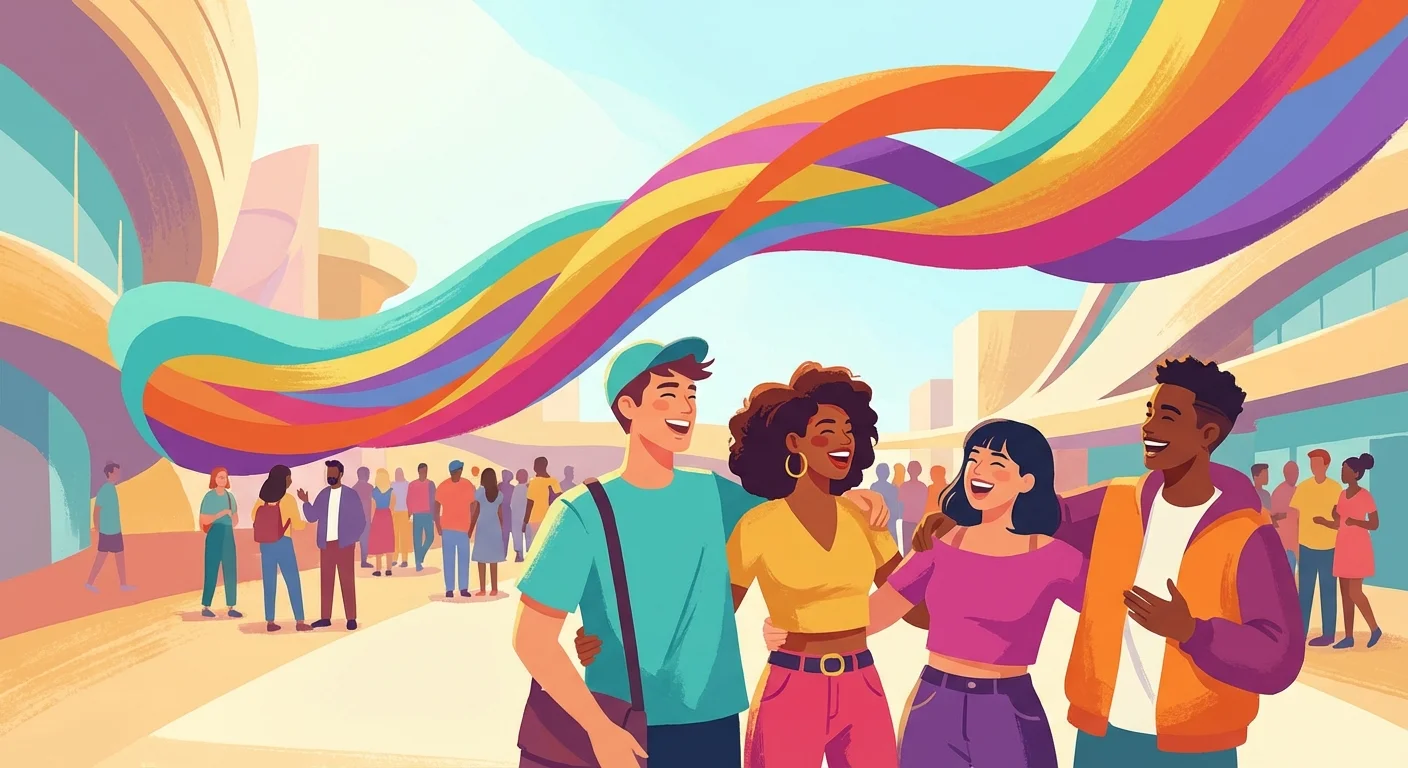
This surge in bisexual identification, particularly among young women, suggests a profound shift away from rigid, binary labels. For Gen Z, identity appears to be more fluid and less constrained by the categories that defined previous generations. It’s less about picking a single, lifelong team and more about acknowledging a spectrum of attraction.
The Political and Social Future
The Gallup poll also highlights a deep political divide, with Democrats being far more likely to identify as LGBTQ+ than Republicans. This isn't surprising, given the Republican party's increasingly hostile stance on queer and trans rights. As the LGBTQ+ population grows, especially among young voters, its political influence is set to become even more significant.
The conclusion is clear: the queer community is not just growing, it's changing. It's becoming younger, more female, and significantly more bisexual. This isn't a temporary phase. As the nearly one-in-four of Gen Z move into their 30s and 40s, they will fundamentally alter what it means to be queer in the 21st century, turning it from a minority identity into a substantial and undeniable demographic force.