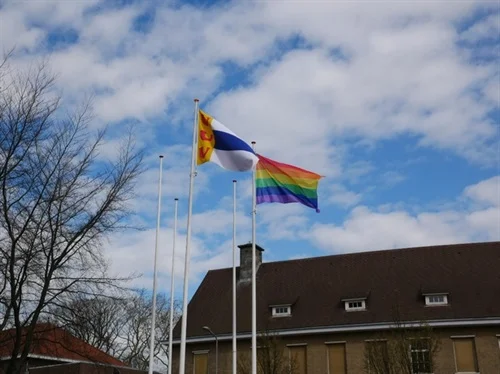

In a significant decision for transgender rights across Europe, the Court of Justice of the European Union (CJEU) has ruled that member states are obligated to provide legal gender recognition (LGR) for their citizens who reside in other EU countries. The judgment confirms that access to documents matching a person's lived gender is a prerequisite for exercising the fundamental right to freedom of movement.
The Case at the Heart of the Ruling
The ruling stems from the case of a Bulgarian transgender woman living in Italy. For nearly a decade, she was denied the ability to change her gender and name on her official Bulgarian documents. Because her life in Italy—from banking and healthcare to employment—depended on these documents, the mismatch created constant obstacles and discrimination.
This discrepancy between her identity and her official papers effectively hindered her ability to live and move freely within the EU, prompting her to take her case through the courts.
Freedom of Movement and Personal Dignity
In its judgment, the CJEU stated that a country's refusal to update a citizen's gender marker is a direct obstacle to their right to freedom of movement, a cornerstone of EU citizenship. The court noted that, like a name, gender is a fundamental part of a person's identity.
The court detailed the "considerable inconveniences" that arise from mismatched documents, obliging a person to constantly explain their identity during border crossings, interactions with law enforcement, or even everyday situations like using a credit card. The judgment stated that tolerating such discrimination violates a person's dignity and freedom.
EU Law Overrules National Bans
Crucially, the Court also clarified that national courts must disregard domestic laws or supreme court decisions that contradict this EU-level judgment. This is a direct message to the Bulgarian Supreme Court, which in 2023 established a de facto ban on legal gender recognition. The CJEU has now affirmed that this ban is incompatible with EU law.
Wider Implications Across the Union
While the case originated in Bulgaria, the ruling sets a precedent for the entire European Union. It has immediate implications for countries like Hungary and Slovakia, which have also made access to legal gender recognition difficult or impossible.
For transgender individuals from the Netherlands living elsewhere in the EU, this ruling reinforces their right to have their identity correctly reflected on documents issued by Dutch authorities. It solidifies the principle that these are not just national issues, but fundamental European rights.
Reactions from Advocacy Groups
LGBTQ+ organisations across Europe have welcomed the decision as a major step forward.
- Denitsa Lyubenova, a lawyer at the Bulgarian organisation Desytvie, stated that all pending LGR cases in Bulgaria must now be resumed and decided in accordance with the CJEU's ruling.
- Marie Ludwig from ILGA-Europe noted that the European Commission now has a "strong legal basis to swiftly act against States that do not comply with this judgment."
- Richard Köhler of TGEU commented that "thousands of trans people in the EU are breathing a sigh of relief today," emphasizing that national laws cannot stand in the way of this fundamental right.
The ruling affirms that identity documents reflecting one's lived gender are not a privilege, but a prerequisite for living with dignity and exercising the full rights of EU citizenship.