A Wake-Up Call for Our Community
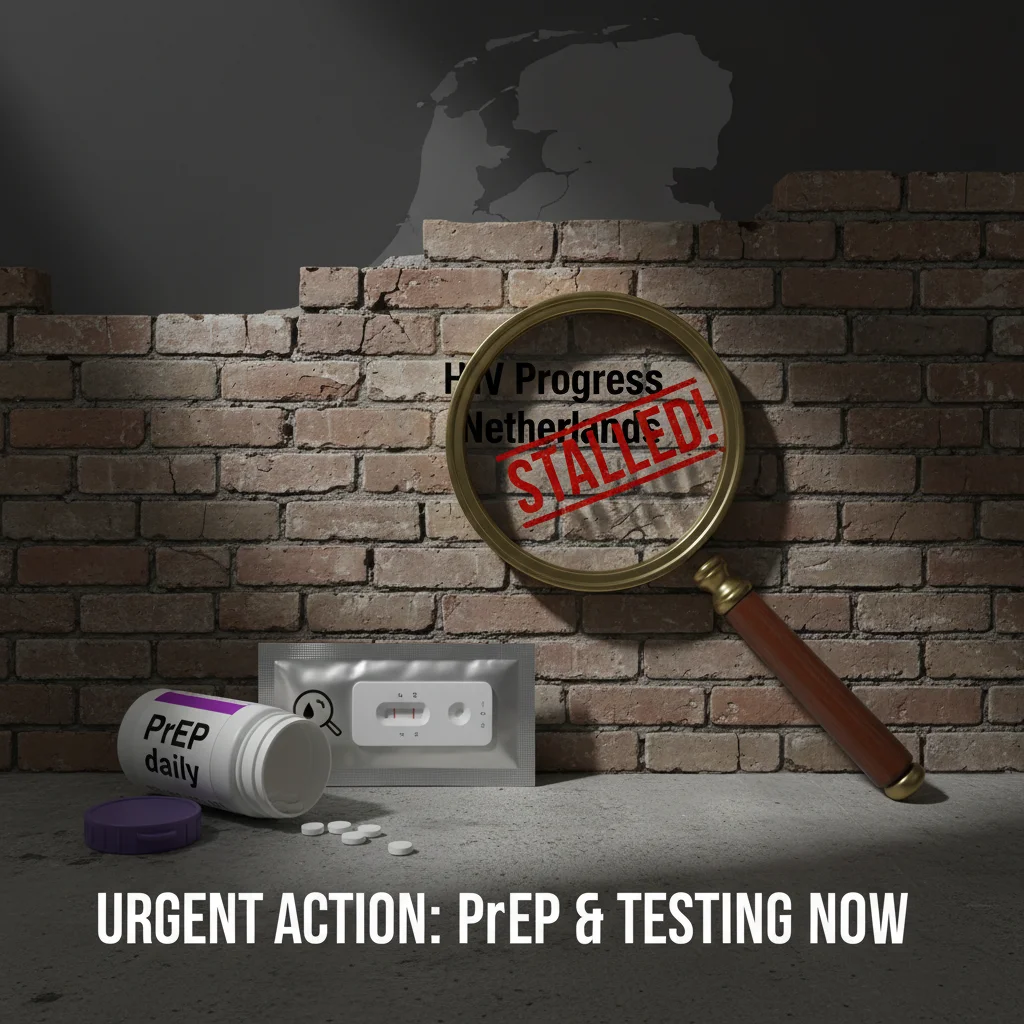
For years, the narrative around HIV in the Netherlands has been one of steady progress. But new figures reveal a concerning stall: for the fifth consecutive year, the number of new HIV diagnoses has not decreased. Last year, 444 people were diagnosed with HIV, a number that has remained stubbornly stable since 2020.
This plateau marks a critical juncture in our fight against the virus. The HIV Monitoring Foundation (SHM) at Amsterdam UMC has sounded the alarm, with infectious disease specialist Marc van der Valk calling the development "worrying." Experts fear that without renewed efforts, this stagnation could reverse, leading to an increase in new infections for the first time in years.
The Numbers Behind the Concern
While the overall number is stable, the details paint a complex picture, particularly for men who have sex with men (MSM). Key findings from the latest report include:
- Undiagnosed Cases Rising: An estimated 1,610 people in the Netherlands are living with HIV without knowing it, an increase from 1,545 the previous year. These individuals are not receiving life-saving treatment and can unknowingly transmit the virus.
- MSM Infections: Men who have sex with men accounted for 42% of recent infections, a notable increase from 35% in 2020. The majority of these new diagnoses are among men born in the 1980s and 1990s.
- A Silver Lining?: On a positive note, the early detection of these cases suggests that many in the community are getting tested regularly. However, it also underscores that transmission is actively occurring.
The PrEP Problem: A Call for Government Action
Aidsfonds - Soa Aids Nederland has pointed directly at a major roadblock to progress: inadequate access to PrEP (Pre-Exposure Prophylaxis), the highly effective HIV prevention pill.
"If we don’t invest in prevention now, such as making the HIV prevention pill PrEP more accessible, the number of diagnoses will likely increase," warned Mark Vermeulen, director of Aidsfonds. He argues that this will not only mean more people living with HIV but also significantly higher long-term healthcare costs for society.
According to the organization, many people at increased risk for HIV are unable to access PrEP due to persistent barriers, including:
- Long waiting lists at clinics
- High personal costs for the medication
- Insufficient information and awareness
Vermeulen is urging the government to step up and invest in a comprehensive prevention strategy. This includes making PrEP widely and affordably available, increasing access to STI testing, and launching targeted information campaigns for vulnerable groups who may underestimate their risk.
What Happens Now?
The message from health experts is clear: complacency is our biggest enemy. The incredible medical advancements that have turned HIV into a manageable chronic condition do not mean the fight is over. This five-year plateau is a signal that our current strategies are no longer enough to drive numbers down to zero.
Reversing this trend requires a multi-pronged approach: better access to prevention tools like PrEP, more frequent and accessible testing, and a renewed commitment from policymakers to fund sexual health initiatives. For our community, it means staying informed, getting tested regularly, and advocating for the resources we need to protect everyone's health.