A Landmark Victory for Rainbow Families Across Europe
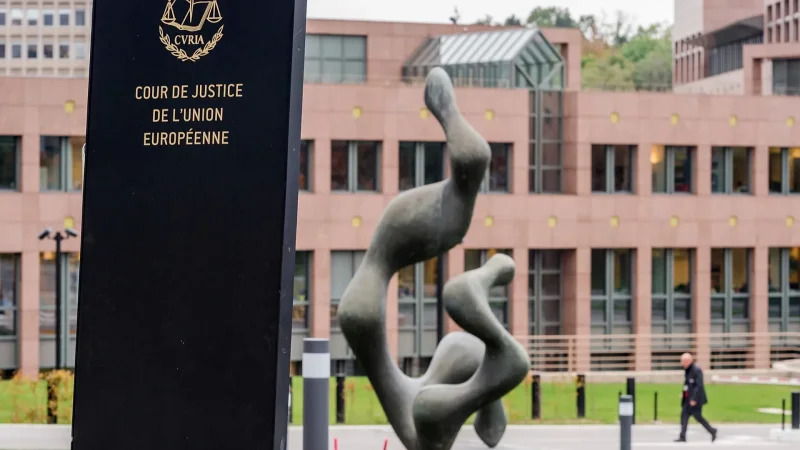
In a decision that will be celebrated across the European LGBTQ+ community, the EU's highest court has declared that love knows no borders—and neither should marriage certificates. On Tuesday, the European Court of Justice (ECJ) delivered a historic ruling stating that all 27 member states must recognize same-sex marriages lawfully concluded in another member country.
For same-sex couples in the Netherlands, this means your marriage, legally celebrated here, must now be recognized for key rights across the entire bloc. Whether you're moving to Warsaw for work, retiring in rural Romania, or simply on holiday in Hungary, your status as a married couple can no longer be legally ignored by national authorities.
The Polish Case That Changed Everything
This historic ruling is the result of a legal battle by two Polish citizens who married in Berlin in 2018. Upon returning to their home country, Polish authorities refused to transcribe their German marriage certificate into the civil register, effectively erasing their legal union because Poland does not have marriage equality. The couple challenged this decision, and their case was eventually referred to the ECJ in Luxembourg.
The court sided firmly with the couple, stating that refusing recognition is "contrary to EU law because it infringes that freedom and the right to respect for private and family life." The judges added that such a refusal "may cause serious inconvenience at administrative, professional and private levels, forcing the spouses to live as unmarried persons."
What This Ruling Means in Practice
It's important to understand the specifics of this powerful decision. The court has clarified what this means for all member states moving forward:
- It mandates RECOGNITION, not legalization. Countries like Poland and Hungary are not required to start performing same-sex marriages themselves. However, they must now legally recognize one performed in Amsterdam, Madrid, or Paris.
- It protects Freedom of Movement. The core of the ruling is tied to the rights of EU citizens. The court stated that citizens "must have the certainty to be able to pursue that family life upon returning to their member state of origin."
- No Extra Hurdles. The process for recognizing the marriage must be applied "without distinction" and without imposing additional administrative barriers on same-sex couples.
A Dutch Principle Goes EU-Wide
As the first country in the world to legalize same-sex marriage back in 2001, the Netherlands has long been a beacon for equality. Today's ruling essentially exports that fundamental principle of recognition across the Union, ensuring that the rights granted here don't vanish the moment you cross a border.
While full marriage equality remains the ultimate goal in all member states, this ruling is a monumental step forward. It dismantles a significant legal barrier and provides much-needed security and certainty for thousands of rainbow families across Europe.