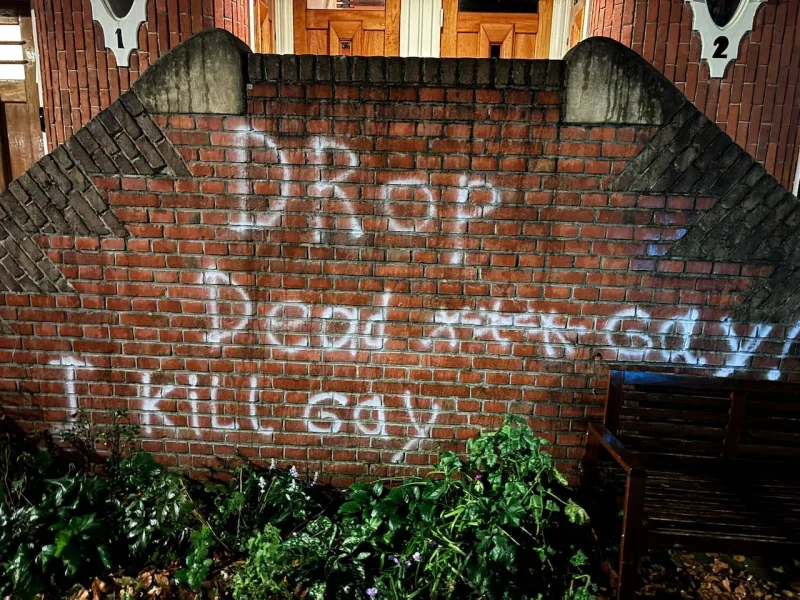
The word lands like a punch, sharp and ugly: 'faggot'. For generations, it has been a weapon used to inflict pain, shame, and violence. But in a provocative new opinion piece for The New York Times, theater critic Julian Vance argues that avoiding this word on stage is a mistake. He claims that the theater is precisely where this slur should be heard, examined, and ultimately, deconstructed.
Vance’s argument, published this week, centers on the unique power of the stage as a space for confrontation. He posits that while the word can be deeply harmful in daily life, in the controlled, intentional environment of a play, it can be stripped of its power and turned into a tool for historical understanding and emotional catharsis.
Art as a 'Brave Space'
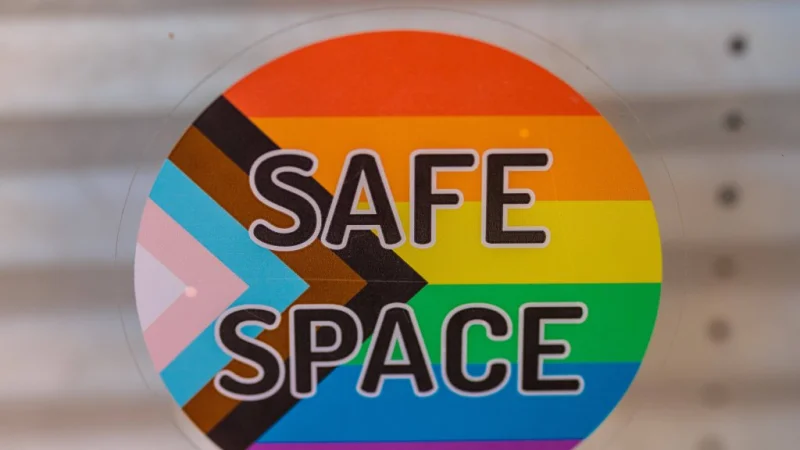
The core of Vance's opinion is the distinction between a 'safe space' and a 'brave space'. He argues that audiences shouldn't come to the theater expecting to be shielded from discomfort. Instead, he believes queer art has a responsibility to be brave—to tackle the ugliest parts of our history head-on.
"To erase the word from our stages is to pretend the wound doesn't exist," Vance writes. "Theater is not a safe space; it is a brave space, where we must be able to confront the language of our oppressors to understand our own resilience."
He points to historical plays where the raw language of the time is essential to conveying the reality of the characters' lives. To sanitize the dialogue, he suggests, is to present a dishonest, softened version of queer history that does a disservice to the struggles of those who came before us.
Reclamation or Re-traumatization?
Of course, this viewpoint is not without its critics. For many in the community, hearing the f-word—regardless of context—is re-traumatizing. It can trigger painful memories and create an environment that feels hostile rather than brave. The question then becomes: who is this art for? Is it for the artists to reclaim their power, or for the audience to feel seen and supported?
This debate isn't unique to the American stage. Here in the Netherlands, we've had similar conversations about the use of words like 'flikker' in our own art and media. When does artistic reclamation become a performance of trauma for audience consumption? And who gets to decide when and how these words are used? The identity of the playwright, the director, and the actors all play a crucial role in whether the use of a slur feels like empowerment or exploitation.
A Conversation Worth Having
Vance's piece doesn't offer easy answers. Instead, it forces a necessary conversation about the role of art in the LGBTQ+ community. Should our stories be a refuge from the world's harshness, or a mirror that reflects it, flaws and all? As queer narratives become more mainstream, the debate over how we tell our own stories—and with what words—is more important than ever.
Editor's Note: This article discusses a recent opinion piece. The views expressed in the source material are those of its author. We encourage our readers to engage with the original text and form their own opinions. You can read the full opinion piece by Julian Vance in The New York Times here.