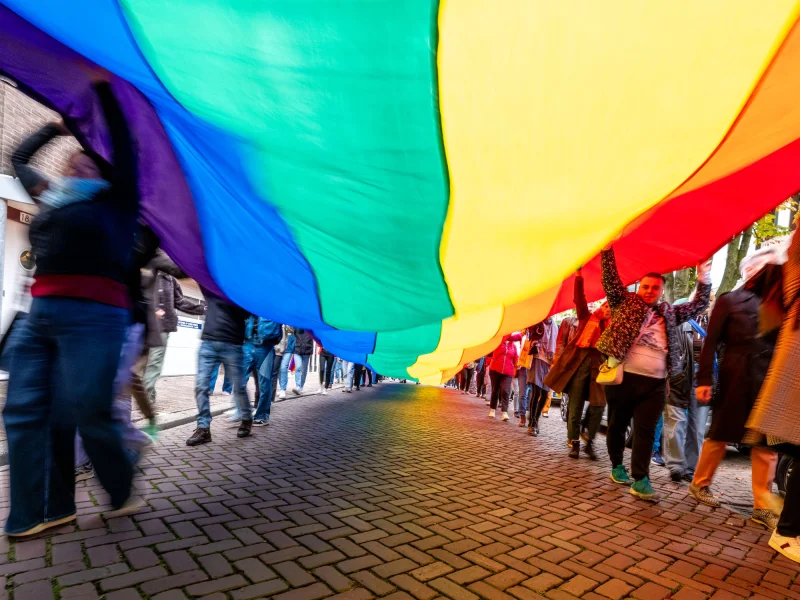
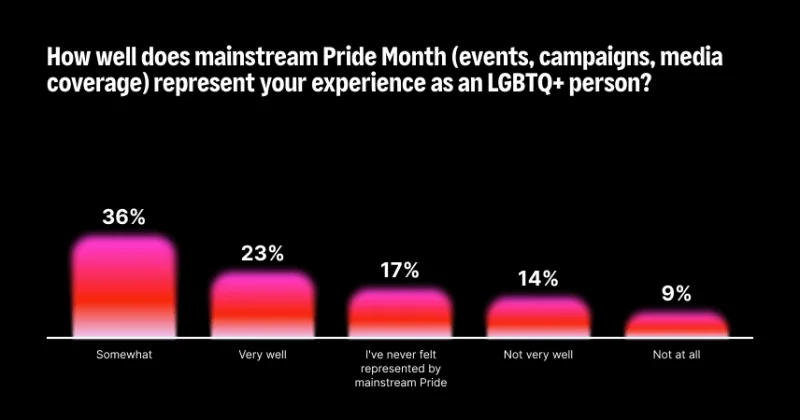
The findings point not to a rejection of Pride itself, but to an evolution in what community members seek from it. While large parades like Amsterdam's Canal Parade remain significant symbols of visibility, the underlying desire is shifting from spectacle to substance.
The Impact of 'Rainbow Capitalism'
A primary driver of this fatigue, according to the report, is the increasing commercialization of Pride. Respondents expressed skepticism towards corporate sponsorship, which is often perceived as a marketing exercise rather than genuine allyship. The proliferation of rainbow logos on products from banks, retailers, and other corporations during June was described by many as feeling hollow and disconnected from the community's actual needs and struggles.
This sentiment reflects a broader conversation about 'rainbow capitalism', where the spirit of a grassroots movement can feel diluted by corporate interests. For some, the presence of large corporate floats in parades overshadows the community groups and activists at the heart of the event.
A Narrow Focus on Inclusivity
The report also found that many feel mainstream Pride events cater to a narrow, socially palatable image of queerness—often young, cisgender, and conventionally attractive. This has left many within the diverse LGBTQ+ spectrum feeling sidelined. In particular, bisexual, pansexual, transgender, and non-binary respondents, as well as people of color, reported feeling underrepresented in the imagery and focus of major Pride celebrations.
This has led to a call for more diverse and specific spaces. Rather than one monolithic event, there is a growing appetite for gatherings that cater to different identities and interests within the community, allowing for a more tailored and comfortable experience.
The Pressure to Perform
Beyond the external factors, the Taimi report touches on an internal pressure felt by many during Pride Month. A significant number of respondents reported feeling an expectation to be constantly 'out,' visibly happy, and socially active. This pressure to perform a certain type of celebratory queerness can be emotionally exhausting, especially for those who are introverted, not in a celebratory mood, or simply prefer to express their identity in a quieter way.
"People have complex identities," one respondent noted. "It’s not always easy to celebrate something that has caused social distress."
A Desire for 'Softer' Pride
The core takeaway from the research is a collective yearning for what could be called 'softer' Pride. When asked what they wanted to see more of, the answers were consistent: smaller events, quieter spaces, and more opportunities for authentic interaction, free from loud music and large crowds. This could take the form of community picnics, discussion groups, art exhibitions, or local meetups that prioritize conversation and connection.
This trend is already visible in the Netherlands, where alongside major city events, smaller towns and community organizations host their own 'Roze Zaterdagen' and local gatherings that often have a more grassroots feel. The report suggests this model is what a growing part of the community is actively seeking.
Ultimately, the conversation around Pride burnout is not about ending the celebration. Instead, it's about reimagining it to better serve the diverse needs of the community it represents—focusing less on performance and more on the personal and political connections that give Pride its meaning.