
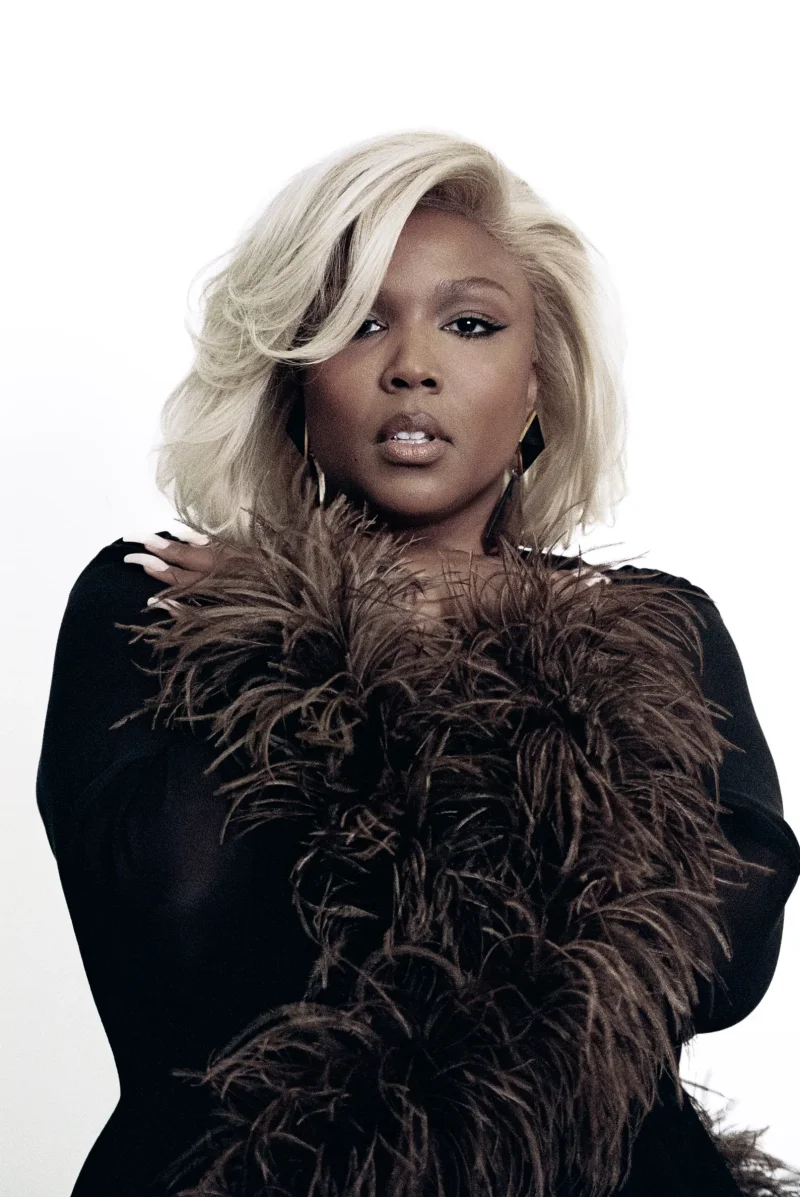
The album marks a distinct chapter for Melissa Jefferson, the artist known as Lizzo, following a period of intense public scrutiny. In a recent interview with USA TODAY, she described the project not as a redefinition, but as a reclamation. "A lot of my identity has been manipulated by people outside of me, so this album is me taking that back," she stated.
Reclaiming a Word
The provocative title, 'Bitch,' was a deliberate choice. Lizzo explained it was partly inspired by a Katt Williams comedy bit which highlighted the double standards faced by Black women in the public eye. "You could be fat, you could be Black, but you can't be no fat, Black bitch," Williams joked, a sentiment that resonated with the singer. The title track reinforces this theme by sampling Missy Elliott’s “She’s a Bitch” and interpolating Meredith Brooks' 1997 hit, “Bitch.”
The album's tone shifted during its creation, originally titled 'Love in Real Life.' Lizzo noted that the change to a bolder title was a reflection of the current global climate. "Artists don’t project what the world should be, we reflect what it is," she said. "Right now, we’re in a time of conflict. So I’m fighting for myself, and that’s where the energy of this album comes from."
The Evolution of Body Positivity
For many in the LGBTQ+ community, Lizzo has been a prominent voice for self-acceptance. In the interview, she took the opportunity to clarify her evolving perspective on body positivity, steering the conversation back to its more inclusive origins.
She expressed concern that the term has been narrowly redefined by the mainstream. "Body-positive just means fat. And that's not true," she explained. "Body positivity is a movement that people who were in the disabled community, who were in the plus-size community and Indigenous and queer, trans community, it was a ‘Hey, we deserve to exist.’ We have been erased in culture, in media, in society. And we're just saying that we deserve to exist and be happy about it."
This clarification serves as a reminder of the movement's radical roots, emphasizing that it has always been about making space for all marginalized bodies, not just one specific type.
Art, Privacy, and Longevity
The new album also showcases Lizzo's musical range, incorporating elements of go-go music and synth-funk alongside her signature R&B and pop sound. Tracks like "Happy to Be" were written not from a place of existing happiness, but as a tool to find it. "I write happy songs when I’m trying to be happy," she revealed, explaining she wrote the song while "searching for gratitude."
Alongside the album, Lizzo is also releasing her first children's book, "Lil Lizzo Meets Sasha B. Flootin’," and continues to reflect on her career. After a series of intimate jazz club shows, she contrasted the experience with large arena tours, noting her commitment to building a lasting career. "I’m going to be doing this when I’m 70, like Tina Turner," she said, emphasizing her foundation in touring and building a genuine fan base over a decade.
With 'Bitch,' Lizzo presents a more guarded but no less powerful version of herself, using her music to set her own terms and define her own narrative.