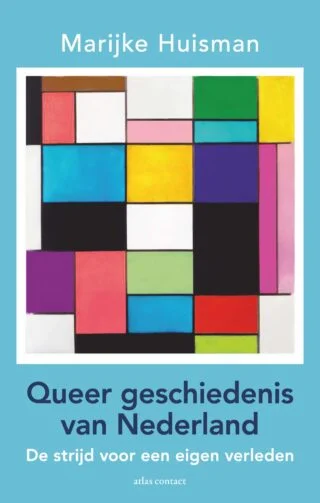
The work, titled Queer geschiedenis van Nederland; de strijd voor een eigen verleden (Queer History of the Netherlands; the struggle for one's own past), challenges the widely held belief that LGBTQ+ emancipation in the country was a finished project following the legalization of same-sex marriage in 2001.
Huisman argues that while the Netherlands was the first country to introduce marriage equality, this legal milestone created a deceptive sense of completion. It overshadowed the reality that the rich, diverse, and often difficult history of queer people was being excluded from the national collective memory. A key example cited is the absence of LHBTIQ+ history in the 'Canon van Nederland,' the official summary of Dutch history taught in schools.
Instead of a straightforward historical account, the book investigates the act of history-making itself. It highlights the decades of work by LHBTIQ+ activists who, in the face of official indifference, took on the roles of archivists, storytellers, and historians to ensure their community's past was not forgotten. This process of writing and rewriting their own history became a crucial form of activism and resistance against cultural erasure.
The book details how queer individuals and groups have consistently documented their own lives and struggles over the last century, creating an alternative archive that stands in contrast to the official, heteronormative version of the nation's past.
By focusing on the people who fought to make their history visible, Queer geschiedenis van Nederland provides a valuable perspective for understanding the community's present. It serves as a study of how a marginalized group preserves its identity and memory when mainstream historical accounts fail to include them.
Book Details
- Title: Queer geschiedenis van Nederland; de strijd voor een eigen verleden
- Author: Marijke Huisman
- Publisher: Atlas Contact
- ISBN: 9789045054070