A severe crackdown on the LGBTQ+ community is unfolding in the West African nation of Niger, with sources on the ground describing the situation as a “witch-hunt.” Following the introduction of a harsh new penal code that criminalises homosexuality for the first time in the country's history, at least 40 people have been arrested, including high-ranking military officials.
The climate of fear has forced many LGBTQ+ individuals into hiding and has crippled essential public health services, raising serious concerns about a potential resurgence of HIV in the region.
A Draconian New Law
Enacted in February by the military junta that seized power in 2023, the new penal code introduces severe penalties for same-sex relations. The law stipulates that “indecent or unnatural acts” are punishable by up to 10 years in prison and a fine equivalent to approximately €198,000.
The legislation goes further, imposing even harsher sentences for related activities:
- Participating in, witnessing, or organising a same-sex marriage can lead to a prison term of up to 20 years.
- Direct or indirect involvement with any LGBTQ+ organisation or club is also punishable by up to 20 years in prison, along with a fine of up to 500 million CFA francs (around €762,000).
This move aligns Niger with neighbouring Mali and Burkina Faso, which have also recently implemented repressive anti-LGBTQ+ laws. The three nations, all ruled by military regimes, have formed a political bloc, the Alliance of Sahel States, and are increasingly adopting similar hardline social policies.
Public Health Crisis Looms
The immediate impact on public health has been devastating. A source working with local health organisations, who wished to remain anonymous due to the dangerous climate, confirmed that services providing HIV support have been forced to cease operations. “The climate here is truly toxic,” they stated. “We have lost contact with many [in the community] and the recent arrests have exacerbated tensions.”
With community members in hiding, access to condoms, HIV testing, and life-saving PrEP medication has been completely cut off. Health experts warn that driving these communities underground will inevitably lead to a rise in new HIV infections. Sub-Saharan Africa already accounts for 64% of all people living with HIV globally. Last week, Niger was one of only eight countries to vote against a UN political declaration on HIV/Aids.
A Regional Pattern of Persecution
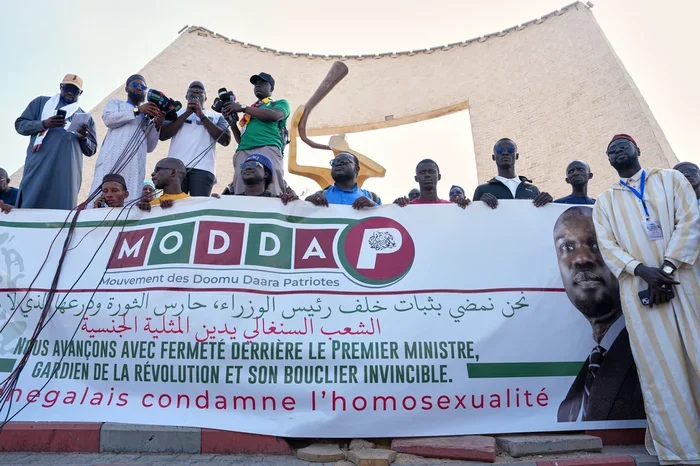
The law in Niger is part of a disturbing trend across the continent. In recent years, countries like Uganda, Ghana, and Senegal have either introduced or strengthened legislation targeting LGBTQ+ people. Political scientist and activist Larissa Kojoué argues that these laws are often a political tool used by leaders to consolidate power under the guise of protecting “African values.”
“Political leaders are using this to advance their own political agenda,” Kojoué said. “They claim ‘African values’, sovereignty and culture, all the while happily undermining human rights for people.”
The international human rights group Front Line Defenders has released a statement expressing deep concern over the developments. The organisation has called on Nigerien authorities “to repeal all provisions that criminalise individuals on the basis of their sexual orientation or gender identity, as well as the individuals supporting and defending them.”