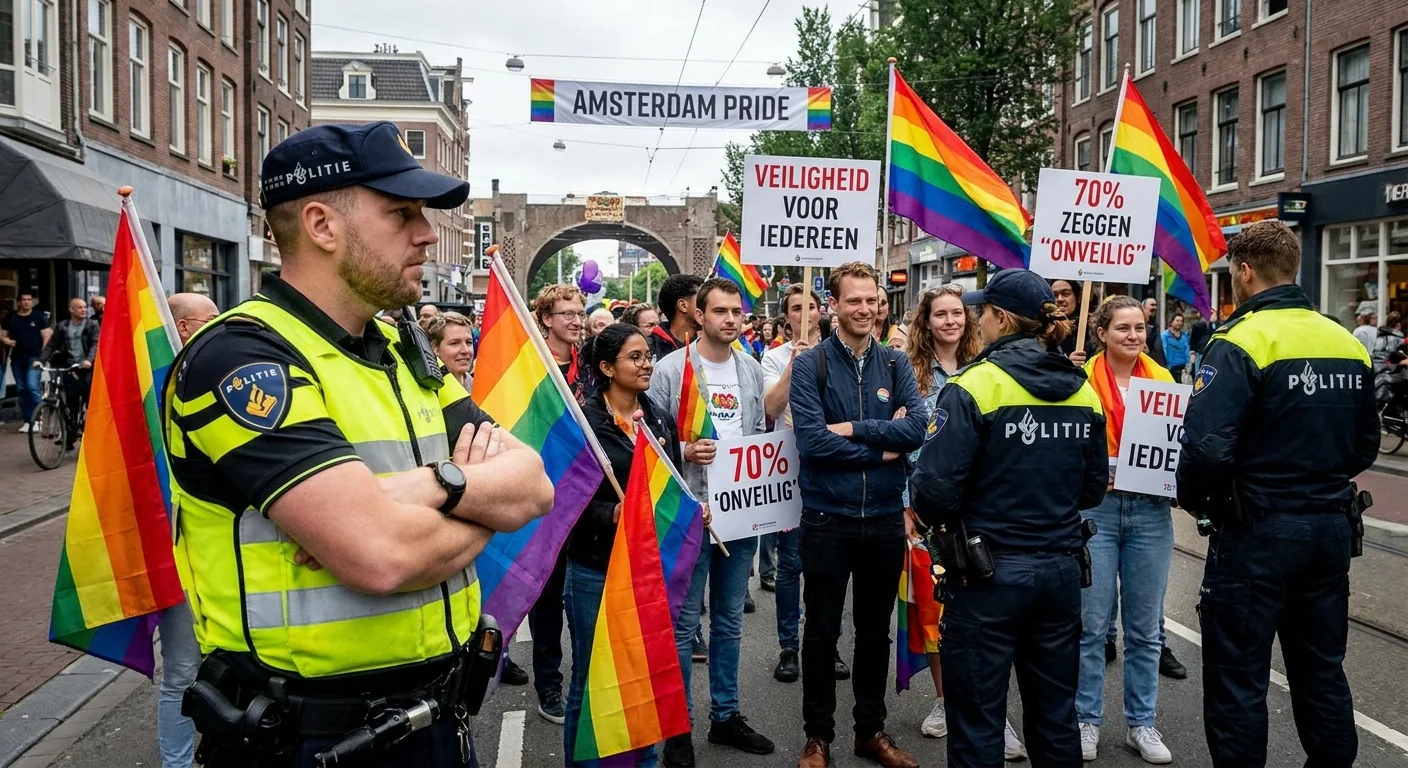
A new survey of nearly 2,900 LGBTQ+ individuals in the Netherlands has found that 70 percent believe it is a problem to be open about their sexual orientation or gender identity in public spaces. The research, conducted by the EenVandaag Opinion Panel, highlights a persistent climate of caution and the daily reality of harassment for many in the community.
The findings, released ahead of Amsterdam Pride, paint a sobering picture. Nearly one-third (29%) of respondents reported experiencing a negative incident in the past year alone specifically because of their identity. These encounters range from verbal harassment, such as being called slurs or receiving unsolicited negative comments, to more severe threats and physical aggression.
"Being called names is a daily thing," one transgender participant shared with the panel. They described harrowing experiences of being surrounded by groups of youths. "They try to trip you or kick you off your bike." While physical violence like being spat on, kicked, or hit was reported by a smaller group, its occurrence underscores the real dangers that contribute to this widespread feeling of unease.
This sense of threat leads many to self-censor their behavior. The survey indicates a significant portion of the community avoids public displays of affection, such as holding hands, to prevent unwanted attention or confrontation. "I always speak in generalities because I usually don't feel I can honestly say I'm gay without it being made into a thing or people looking at you differently," one person explained.
Perceived Sources of Hostility
When asked about the sources of this negative sentiment, respondents pointed to several areas. Religious and far-right ideologies were commonly cited as drivers of intolerance. However, the survey also highlighted a more contemporary source of concern: the 'manosphere,' an online subculture promoting traditional and often rigid views on masculinity and gender roles. Nearly three-quarters (73%) of LGBTQ+ respondents believe the growing popularity of this online movement is negatively impacting attitudes towards them.
Despite the high number of people who feel cautious, a notable 40 percent of respondents said they do feel free to hold hands with a partner in public. This group expresses a sense of resilience and defiance. As one lesbian woman put it, "I don't adjust anything. It's your problem, not mine."
The survey was conducted in the week prior to the recent attack during Pride celebrations in Berlin, indicating that these feelings of vulnerability within the Dutch community are not a reaction to a single event but reflect a sustained and ongoing reality.