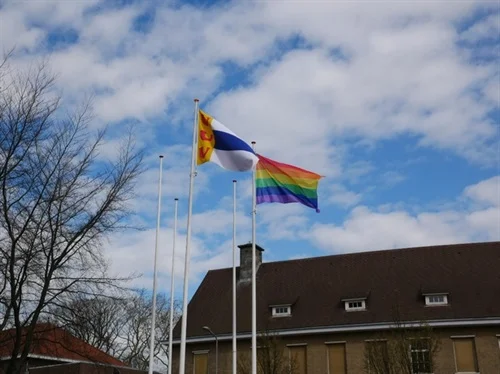
The Dutch cabinet is expanding its investment in local programs designed to improve the safety and social acceptance of LGBTQ+ people and women across the Netherlands, reports Volkskrant. The 'Regenboogsteden' (Rainbow Cities) and 'Veilige Steden' (Safe Cities) initiatives will be extended and broadened, backed by a multi-million euro budget increase.
This decision follows a series of troubling reports. Recent data from the 'Lhbtiqa+- monitor' confirmed that LGBTQ+ individuals are more likely to feel unsafe, experience discrimination, and become victims of violent crime compared to their cis-hetero counterparts. Compounding this, a study released last week indicated a significant drop in the acceptance of gay people among Dutch youth in recent years.
"The safety of LGBTI persons really needs to improve," stated State Secretary Judith Thielen (Education and Emancipation). "Municipalities can make an important contribution to this."
What Does This Mean in Practice?
The core of the strategy lies in empowering local governments. Municipalities that join the Rainbow Cities program sign a declaration of intent, committing to actively work on improving the social safety, resilience, and acceptance of their LGBTQ+ residents. Because challenges can vary significantly from one city to another, municipalities have the freedom to choose their own approach. Common initiatives include:
- Organizing visibility campaigns and Pride activities.
- Providing additional LGBTQ+ education and resources in schools.
- Working with local police and community groups to address safety concerns.
Currently, 56 municipalities participate in the Rainbow Cities program. The new funding aims to bring an additional 30 municipalities into either the Rainbow Cities or the parallel Safe Cities program, which focuses on the safety of women and girls. An extra €2.6 million is specifically earmarked for the Rainbow Cities initiative. In a notable expansion, the Caribbean islands within the Kingdom of the Netherlands will also be invited to participate starting in 2027.
Measuring the Impact
An evaluation of the programs over the past three years suggests they have had a positive effect, fostering greater local support and a willingness among municipalities to tackle these issues. However, Movisie, the organization that implements the programs, adds a note of caution. In their report, they state, "It remains difficult to properly measure the impact on the safety, acceptance, and resilience of LHBTIQA+ residents."
While the increased funding provides a tangible tool for municipalities, the underlying data shows that creating genuinely safe and accepting communities remains a complex and ongoing challenge.