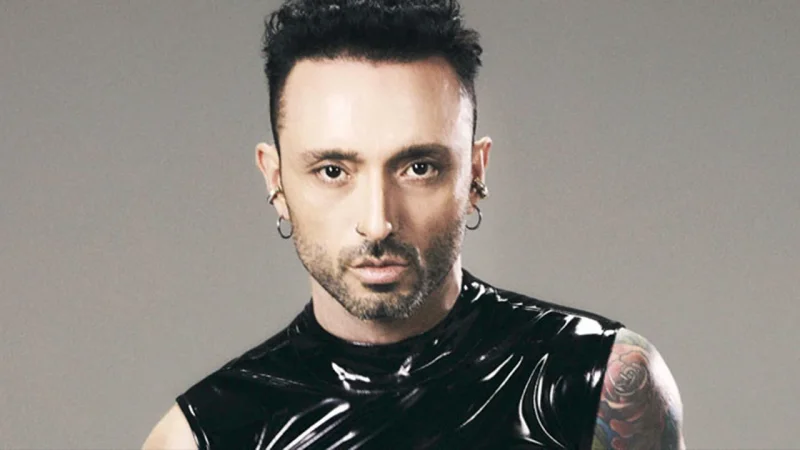
Turkish pop star and prominent LGBTQ+ community figure Mabel Matiz is facing a potential prison sentence of up to three years after prosecutors in Istanbul indicted him on charges of obscenity over the lyrics and music video for his song, "Ha Leylim."
The indictment, which stems from an investigation launched just two days after the song's release in August, accuses Matiz of publishing obscene material under Article 226 of the Turkish Penal Code. As a result of the investigation, the artist, whose legal name is Fatih Karaca, has been prohibited from travelling outside of Turkey.
Matiz has rejected the allegations, stating that the song is a work of art. He argues that the music video depicts traditional wedding celebrations from Turkey's Thrace region and that the lyrics employ metaphor, a common device in Turkish folk traditions used to tell stories of love and longing. He has described the legal action as a misinterpretation of his artistic expression.
A Pattern of Scrutiny
This is not the first time Matiz, who is one of Turkey's most visible openly gay public figures, has faced legal and political pressure for his work. His 2022 music video for the song "Karakol" featured a same-sex couple and drew condemnation from conservative groups and the country's media watchdog, RTÜK.
The current case also follows a recent legal victory for the singer. In May, he was acquitted in a separate case concerning his 2023 song "Perperisan." In that instance, prosecutors had argued the song could be harmful to children, but the court ultimately ruled that the elements of a crime were not present.
Broader Context of Censorship
The charges against Matiz arrive amid a challenging climate for artistic freedom and LGBTQ+ rights in Turkey. The government has been increasingly criticized for using broad legal definitions of obscenity and public morality to censor artists and activists. Pride parades have been systematically banned in major cities for several years, and official rhetoric against the LGBTQ+ community has intensified.
If the court accepts the indictment, a trial will be scheduled. A hearing date has not yet been set. The case is being watched closely by human rights organizations as a barometer for freedom of expression in the country.