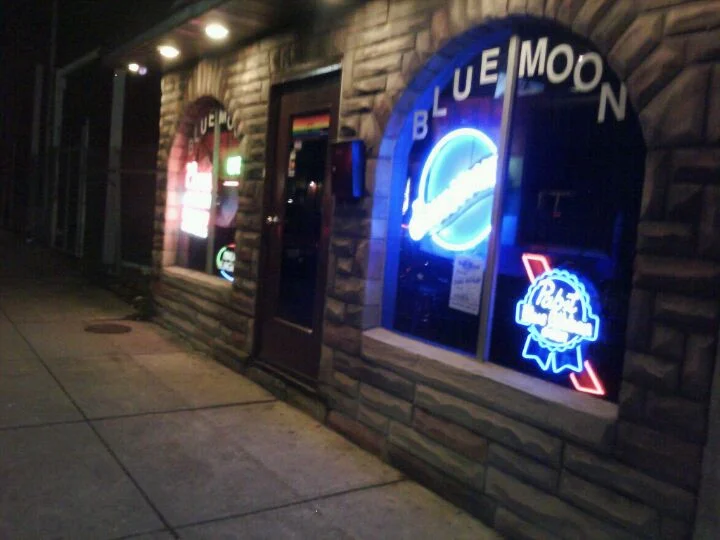
A weekly drag event at a Pittsburgh LGBTQ+ bar has been called off after the venue received death threats, following a performance that featured a drag artist in blackface. The incident has ignited a difficult but necessary conversation about racism and safety within queer community spaces.
The controversy began at the Blue Moon Bar's 'Open Stage' night on September 23. Photographs circulated online showing a performer with their face painted entirely black. The performer later claimed the look was an attempt to cosplay as Hexxus, the non-human, sludge-like villain from the 1992 animated film FernGully: The Last Rainforest.
The images quickly drew condemnation from Pittsburgh's Black and LGBTQ+ communities, leading to a wave of online criticism and, eventually, serious threats against the venue. In a statement on September 30, Blue Moon confirmed it was cancelling that evening's show, citing “too many death threats for us to feel comfortable putting on the show this evening.”
Apologies Issued, but Community Demands Accountability
The bar, the guest hosts, and the performer have all issued public apologies. Blue Moon's management, who were not present during the performance, stated they were “blindsided” by the act and accepted full responsibility. “Whatever the intent, blackface is racist and harmful and it is never acceptable,” the bar wrote. The performer also acknowledged the impact of their actions, stating, “Intent does not matter when it comes to the effects of what’s been done.”
However, local advocates argue that apologies are not enough. Ciora Thomas, founder of the Black- and trans-led organization SisTers PGH, questioned why the performance was allowed to finish in the first place. “Cut the music. Cut the cameras,” Thomas told local outlet QBurgh, highlighting the incident as symptomatic of a larger problem of anti-Black racism within queer venues. “Show us what it’s going to be when racism shows up in the bar.”
The character the performer claimed to be portraying, Hexxus, is a pollution-based entity voiced by Tim Curry in the film.
The incident serves as a stark reminder of the ongoing and often painful conversations about race and inclusion that are taking place within LGBTQ+ communities globally. While the events took place in the US, the debate over what is acceptable on stage and how to create genuinely safe spaces for all members of the community, particularly people of colour, resonates far beyond Pittsburgh.