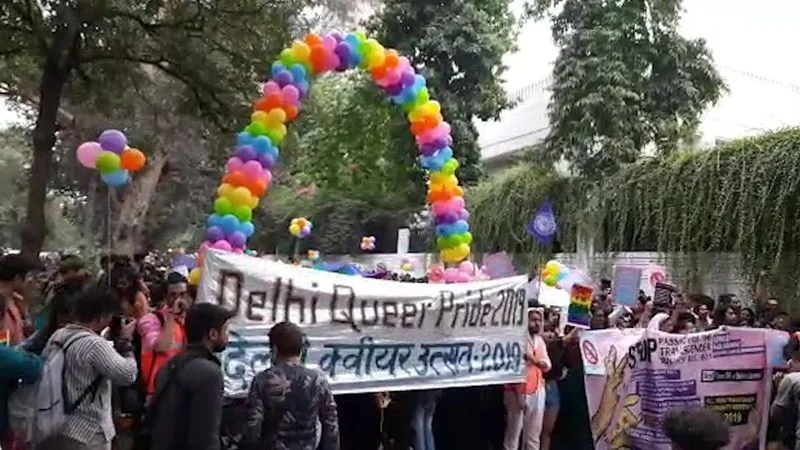
The streets of Delhi, which typically fill with rainbow flags and celebration each November, will remain quiet this year. The city's annual Queer Pride March has been postponed indefinitely, a decision that has ignited a difficult but necessary conversation within India's LGBTQ+ community about the balance between visibility and safety.
The organizing collective, Delhi Queer Pride (DQP), confirmed on Wednesday, 18 November 2026, that the march would not go ahead as planned. They cited a deteriorating political environment and concerns over the safety of participants, emphasizing that the event is postponed, not cancelled. The group remains committed to holding the march when circumstances improve.
A Backdrop of Regressive Laws
The decision was not made in a vacuum. It follows two significant developments in India this year that directly impact the queer community and the right to public assembly.
- On March 30, 2026, the government enacted the Transgender Amendment Act. This law is a major setback for trans rights in the country, as it removes the right to gender self-identification, narrows the legal definition of a transgender person, and introduces penalties for allegedly coercing someone to adopt a trans identity.
- On October 11, 2026, Delhi Police officially removed Jantar Mantar as a designated protest site. This central, historically significant location has been replaced by three alternative venues far from the city's political heart, effectively curbing the visibility and impact of public demonstrations.
The DQP collective stated that ensuring the well-being of participants, especially those more vulnerable to violence, was their primary concern. They highlighted that police coordination is crucial for managing traffic and ensuring safe evacuation routes in an emergency, a process complicated by the current political climate.
Debate Erupts: Is Postponement a Retreat?
The postponement has divided opinion. Many activists and community members argue that Pride is most essential precisely when rights are under threat. They see the decision as a retreat at a time when public resistance and solidarity are needed more than ever.
"Pride was not created because we were allowed the space; we claimed it," one community member, a project manager at an NGO, told Indian media. This sentiment was shared by the LGBTQ+ rights watchdog 'Yes, We Exist', which criticized the move as an act of self-censorship.
Others have taken a more measured view. Sharif Rangnekar, founder of the Rainbow Lit Fest, called the decision disappointing but cautioned against blaming the organizers. He pointed to the very real potential risks participants could face. This is not the first time the march has been rescheduled; the November 2025 event was moved to February 2026 following discussions with police over safety.
The situation in Delhi raises a fundamental question faced by queer communities globally: how do you preserve Pride as a powerful act of public resistance while fulfilling the duty of care to protect people from avoidable harm? For now, the community in Delhi is left to grapple with that question as they await a new date to take back the streets.