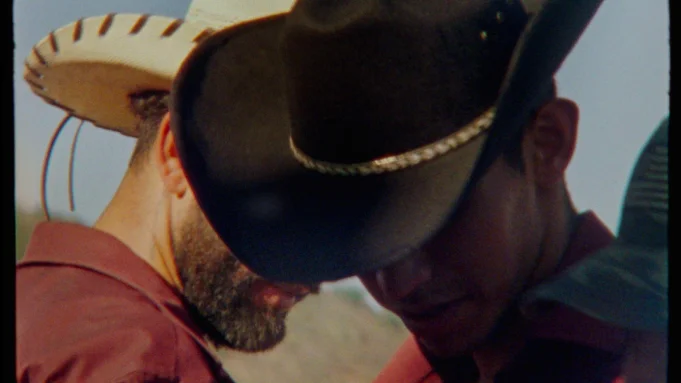
Beneath the dust and bravado of the bull riding arena, a secret world thrives.
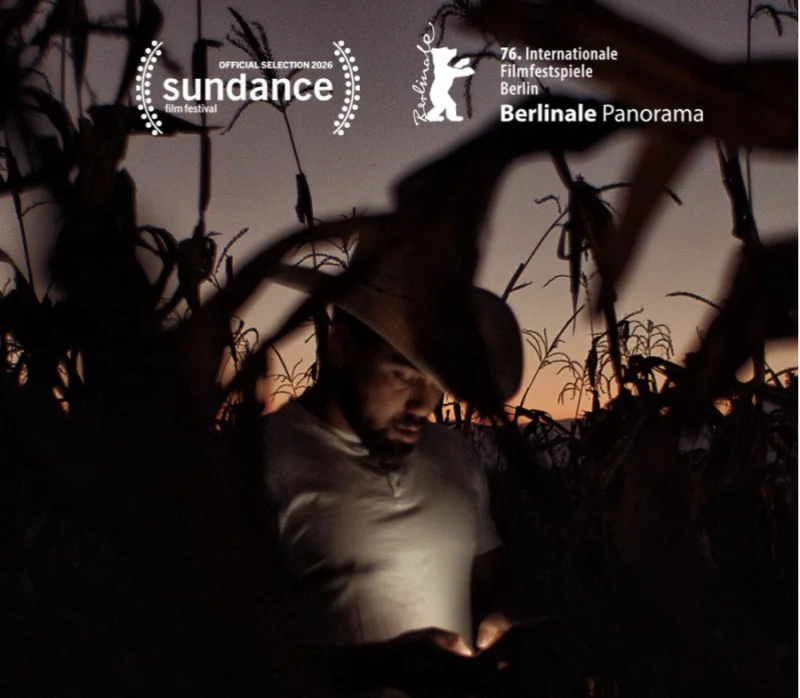
Imagine the scene: the roar of the crowd, the scent of dust and livestock, and the undeniable swagger of cowboys competing in the hyper-masculine world of the Mexican rodeo, or jaripeo. It's a spectacle steeped in tradition and ranchero masculinity. But a powerful new documentary, Jaripeo, which just premiered at the prestigious Sundance Film Festival, pulls back the curtain to reveal a vibrant, hidden queer subculture flourishing in the shadows of the arena.
The film, directed by Efraín Mojica and Rebecca Zweig, takes us to the state of Michoacán during the annual Christmastime jaripeo. Here, among the rugged bull riders and their fans, a community of queer men finds connection through "fleeting touches, knowing glances, and secretive hookups in the woods behind the rodeo arena."
A Personal Journey Home
For co-director Efraín Mojica (they/them), the film is a deeply personal exploration. Having grown up between California and Penjamillo, Michoacán—a town central to the jaripeo scene—Mojica turns the camera not just on the community, but on their own relationship with a place that is both home and a complex space to navigate as a queer person.
The documentary follows Mojica alongside two other protagonists: Noé, a charismatic and desired cowboy, and Joseph, a flamboyant and devoted jaripeo superfan. Through their eyes, the film explores the challenge of reconciling their identities with a tradition that doesn't always make space for them openly.
"Jaripeo is, at its core, about relation," the directors explained in a statement. "The way we relate to the self and the subconscious, how our encounters with others can deepen our self-knowledge and theirs, and the way we relate to our home and the revelation and grief embedded in the act of return."
A Universal Story of Finding Space
While set in a specific cultural context, the story of Jaripeo resonates with the universal queer experience of carving out spaces for community and desire in environments that aren't always welcoming. The film blends observational documentary footage with lyrical, impressionistic elements, creating a portrait that is both intimate and expansive.
The film has already generated significant buzz, with Sundance programmer Basil Tsiokos calling it a "beautiful film" that "really opens a world into a place, an activity that you just don’t have the privilege of being part of."
After its successful world premiere at Sundance, Jaripeo is set to make its international debut at the Berlinale, promising to bring this fascinating and important story of queer resilience and connection to a global audience.