Unlike changing a gender marker between 'M' (man) and 'V' (vrouw), which is a more streamlined administrative process, obtaining an 'X' currently requires a formal court procedure. This is because there is no specific legislation governing non-binary gender markers, forcing individuals to rely on judicial rulings. The process involves hiring a lawyer, submitting a detailed application to a court, and often attending a hearing.
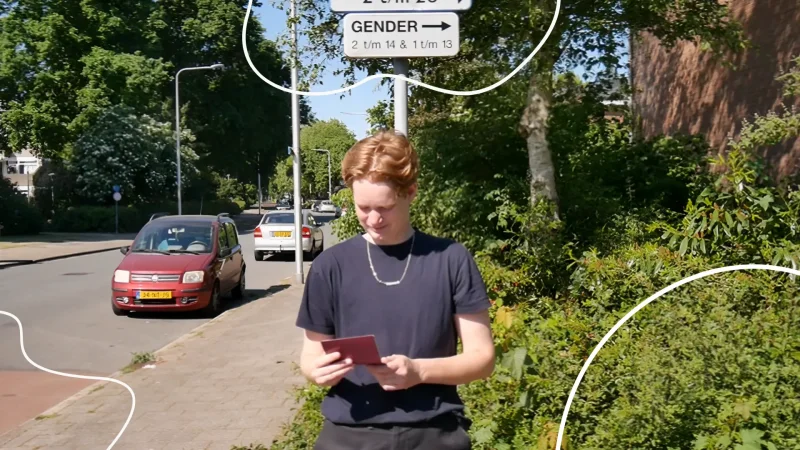
Lieve, one of approximately 330 people in the country with an 'X' on their passport, recently completed this year-long process. "I finally feel recognized by the government," they told Transvisie.
Step 1: Legal Counsel and Costs
The first step for Lieve was finding legal support. "I searched for lawyers with experience in this procedure and quickly found Kim Smienk, who is one of the most well-known lawyers in this field," they explained. The costs for such a case can range from €266 to €1,200. However, financial assistance is available. The Dutch Legal Aid Board (Raad voor de Rechtsbijstand) can cover most of the costs for those with an income below a certain threshold. For people on social assistance, the process can be free of charge. "Kim applied for the subsidy for me, which was a great help," Lieve noted.
Step 2: Building the Case
With legal representation secured, the next phase involved gathering documents and building the application for the court. This typically includes:
- A copy of your birth certificate
- A copy of your current identification
- A personal statement to the judge (optional, but recommended)
- An expert statement ('deskundigenverklaring')
Lieve chose to write a personal letter to the judge, explaining the significance of the change. "Getting an X in my passport would be of inestimable value," they wrote. "I can finally start living as myself. When I think about actually holding a passport with an X on it, my heart leaps with joy."
While an expert statement is not always mandatory, it can strengthen a case. For Lieve, it proved crucial. "A week before my hearing, the expert statement suddenly became a requirement at the court in Overijssel. I'm very glad I had already included it."
Step 3: The Hearing and the Wait
After submitting the application, the waiting began. The time until a hearing is scheduled can vary significantly between different court districts, from a few weeks to over six months. Lieve's hearing was scheduled for December, six months after the initial submission.
The hearing itself was brief, lasting only about ten minutes. "The judge had many substantive questions for my lawyer about political developments and whether it was the court's role to grant these requests," Lieve recalled. "It was a bit tense to hear such critical questions."
Step 4: Verdict and Final Hurdles
A month later, the positive verdict arrived by email. But the process wasn't over. A mandatory three-month appeal period followed, during which the municipality could theoretically challenge the court's decision. "My lawyer had told me about this, but it was still a shame to have to wait even longer," Lieve said.
Once the three months passed, Lieve checked the government portal MijnOverheid daily. "It was such an unreal feeling when the 'gender' section finally said 'unknown' ('onbekend')," they said. A call from the municipality followed to arrange for new documents, but it included a final, unexpected hurdle. "At the end of the call, the employee said my new passport would have an 'M' on it. I explained it had to be an 'X'. I was very happy she mentioned it, otherwise I might have received the wrong passport."
Finally, with the new passport in hand, the year-long journey was complete. "I was so incredibly happy, I couldn't stop smiling," Lieve said. "It feels so liberating. My gender identity is now truly recognized."