Based on the podcast Delta Tango
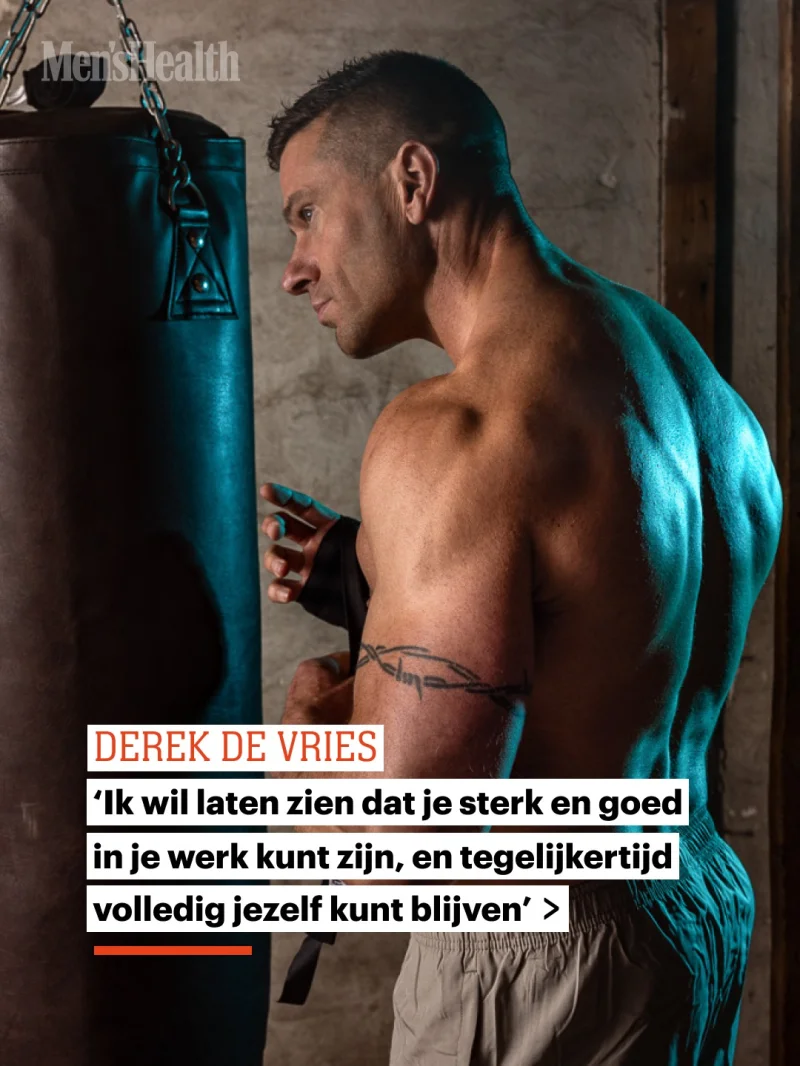
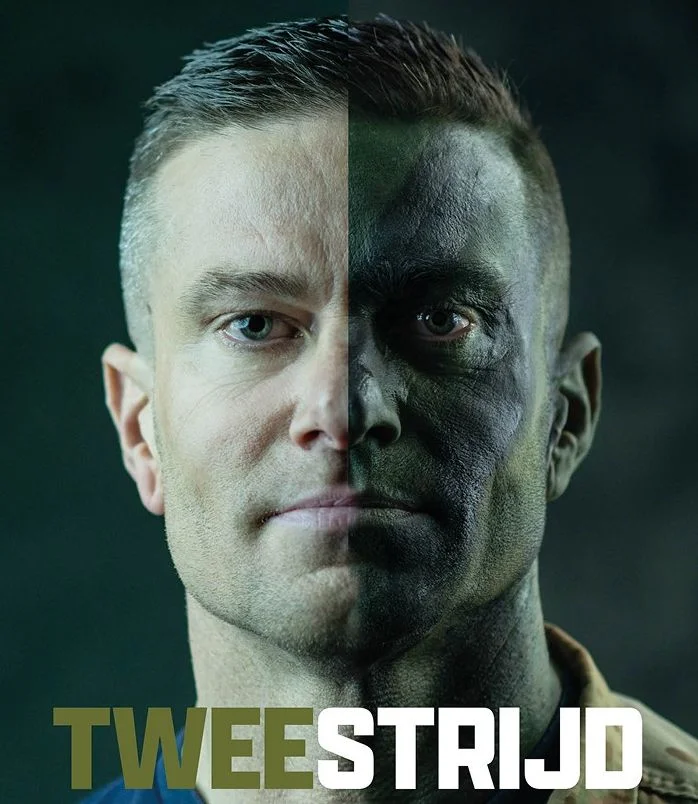
For 16 years, Derk de Vries operated in some of the world's most dangerous conflict zones. As a group leader in the Air Mobile Brigade and later a member of the elite Brigade Special Security Tasks (BSB), he faced firefights in Bosnia, Iraq, and Afghanistan. He was, by all accounts, a model soldier. Yet, beneath the uniform and professional composure, he was fighting a second, undeclared war: a battle against the deep-seated fear of being discovered as a gay man in the hyper-masculine culture of the armed forces.
In a new book, de Vries details this dual existence, exploring the chronic stress of the closet and his eventual path to living authentically. His story offers a candid look inside the Dutch military and the personal cost of suppressing one's identity.
Combat in Uruzgan, Conflict in the Closet
De Vries's career was defined by high-stakes missions. He recounts a deployment to the Baluchi Valley in Uruzgan, Afghanistan, in 2008, where his unit was tasked with 'move to contact' operations—actively seeking out enemy combatants. During one such mission, his unit was ambushed at close range. "I thought, this is it," he recalled, describing bullets striking the ground just centimetres from his position. In those moments of "blind panic," his extensive training took over, enabling him to lead his team and coordinate air support.
While managing the acute stress of combat, he was simultaneously managing the chronic stress of a secret he had kept since he was 12. He joined the military at 18, believing his boyhood dream of being a soldier was incompatible with his sexuality. "I didn't even accept it myself," de Vries stated. He built a wall around his personal life, focusing entirely on being the best soldier he could be, operating under the assumption that emotions and identity could simply be switched off.
The fear was practical: he worried about being ostracised, becoming the subject of jokes, or having colleagues refuse to share a tent with him on deployment. The pressure became so immense that he sought help from Military Mental Health Care (MGGZ) before one mission. However, the culture of silence was so ingrained that he found himself unable to speak. When a psychologist gently raised the topic of his orientation, de Vries broke down and left the office, later fabricating a story about burnout for his commanding officer.
A Change of Atmosphere in the Special Forces
A significant shift occurred when de Vries was selected for the BSB, a special forces unit. He attributes the more accepting atmosphere to the maturity and background of its members. "You've all gone through the same heavy selection, the same heavy training, and do the same complex missions," he explained. This foundation of shared professional respect created an environment where personal identity was less of a factor than operational competence.
It was in this unit that he eventually felt safe enough to come out. While the response was overwhelmingly positive, it wasn't without friction. He recalls a senior officer who gossiped and made derogatory comments. Instead of a formal confrontation, de Vries opted for a gesture potent within military culture: he pointedly refused to shake the officer's hand. The message was clear and understood without a word.
On Pride, Performance, and Progress
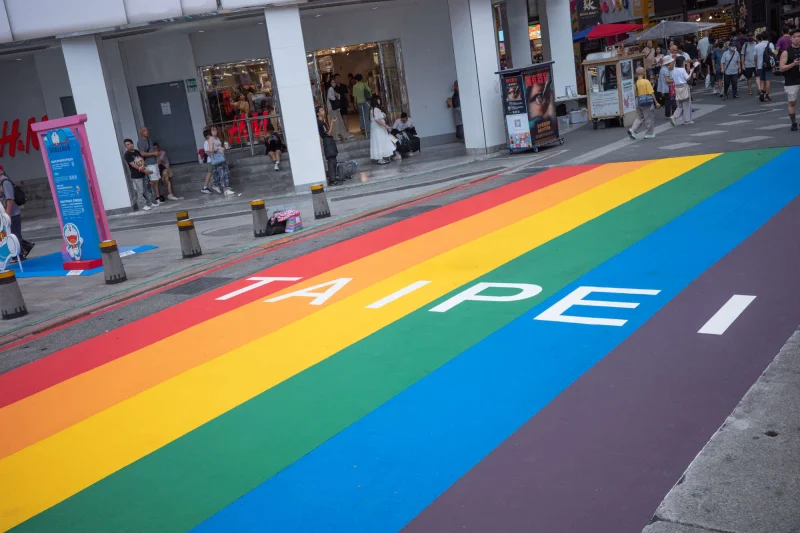
Reflecting on the Dutch military today, de Vries offers a nuanced perspective on diversity and inclusion efforts. While he acknowledges improvements in social acceptance, he cautions against superficial gestures. "Window dressing," as he calls it, like flying a rainbow flag, doesn't automatically change the culture on the ground at the unit level.
His core argument is that authenticity is directly linked to performance. The energy spent hiding one's identity is energy that could be used to be a better soldier, leader, and teammate. "You want to be yourself so that you can perform even better," he argues. For de Vries, true progress comes from visibility and role models within the ranks—not just at the top—who can show young soldiers that it's possible to be both queer and a respected member of the military community.
Today, Derk de Vries is married to his partner of nearly 13 years and works as an international trainer, teaching others how to perform under pressure. His experiences, both with the acute stress of combat and the chronic stress of the closet, inform his work. His book, set for release on May 27, aims to show that vulnerability and professional excellence are not mutually exclusive, but deeply intertwined.