Read the full overview article
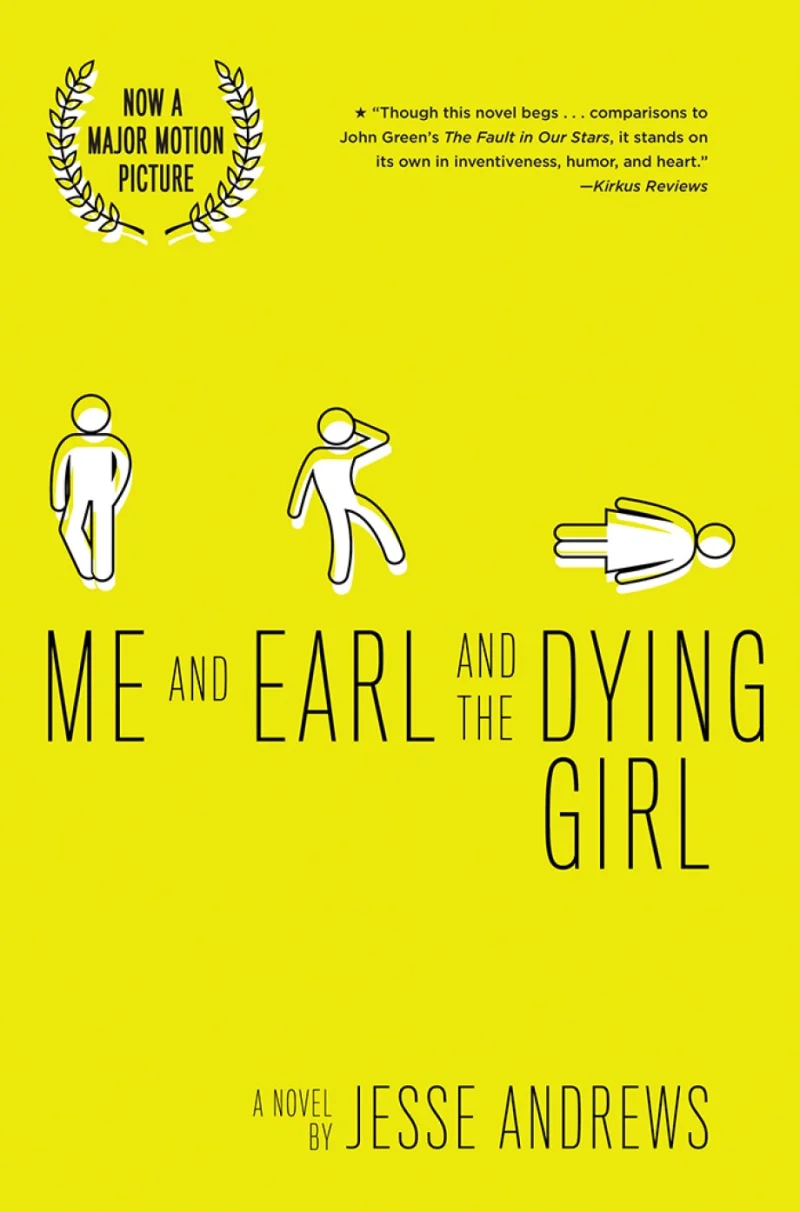
The novel, first published in 2012 and later adapted into a Sundance-winning film, tells the story of Greg Gaines, a high school senior who navigates the social minefield of adolescence by remaining invisible. His carefully constructed world is upended when his mother forces him to befriend Rachel, a classmate recently diagnosed with leukemia. The book is celebrated for its brutally honest and often hilarious portrayal of teenage awkwardness, friendship, and the clumsy ways people cope with tragedy.
Despite its critical acclaim, the novel has been challenged by conservative parent groups like 'Moms for Liberty' in several school districts, citing its 'vulgar' language and sexual content as inappropriate for young readers.
Author Jesse Andrews on the 'Absurdity' of the Ban
In a statement addressing the challenges, author Jesse Andrews did not mince words. He pointed out the absurdity of the claims while connecting his book's situation to the wider, more concerning trend of censoring stories about marginalized communities.
"It’s important to point out that most of the targeted books are about what it is to be not white or straight or cisgender in America, and I want to be really clear that I worry a lot more about the smearing and censoring of those viewpoints than I do my own. Those books provide kids (and grownups) with windows onto parts of the landscape of human experience that exist whether conservatives want them to or not. Shutting those windows, to me, is tragic."
Andrews directly addressed the specific passage that drew the most ire—a two-page riff between the two straight, male protagonists about oral sex.
"The riff makes it pretty clear they’ve never eaten pussy, nor are they going to in the foreseeable future... They’re just trying to make each other laugh by being gross and over-the-top. If you have ever known or been a teenager, you are probably familiar with this phenomenon."
He also dismantled the accusation that the book is 'pornographic' with a dose of dry wit, stating, "The function of pornography is to stimulate erotic arousal. No one, and I find it wild that I have to spell this out, has ever been erotically aroused by reading Me and Earl and the Dying Girl. I encourage Moms For Liberty to think really hard about what they’re saying, the next time they claim otherwise."
School Districts Uphold Literary Merit
Fortunately, in the documented cases from school districts in Pennsylvania, New Jersey, and Texas, the challenges were ultimately rejected. Review committees in each district decided to keep the book on library shelves, citing its literary value and importance for student self-selection.
The Eanes Westlake Innovative School District committee noted, "The book provides an authentic voice for teenagers coping with death and demonstrates that people may have varied responses to grief... When taken as a literary text on the whole, there are redeeming qualities around engagement, literary elements, diversity, and self-reflection and acceptance."
Similarly, the Readington Township Public Schools committee concluded that it is the "right and responsibility of a student and their family to make determinations regarding what is or is not appropriate," not the role of the school to preemptively remove materials.