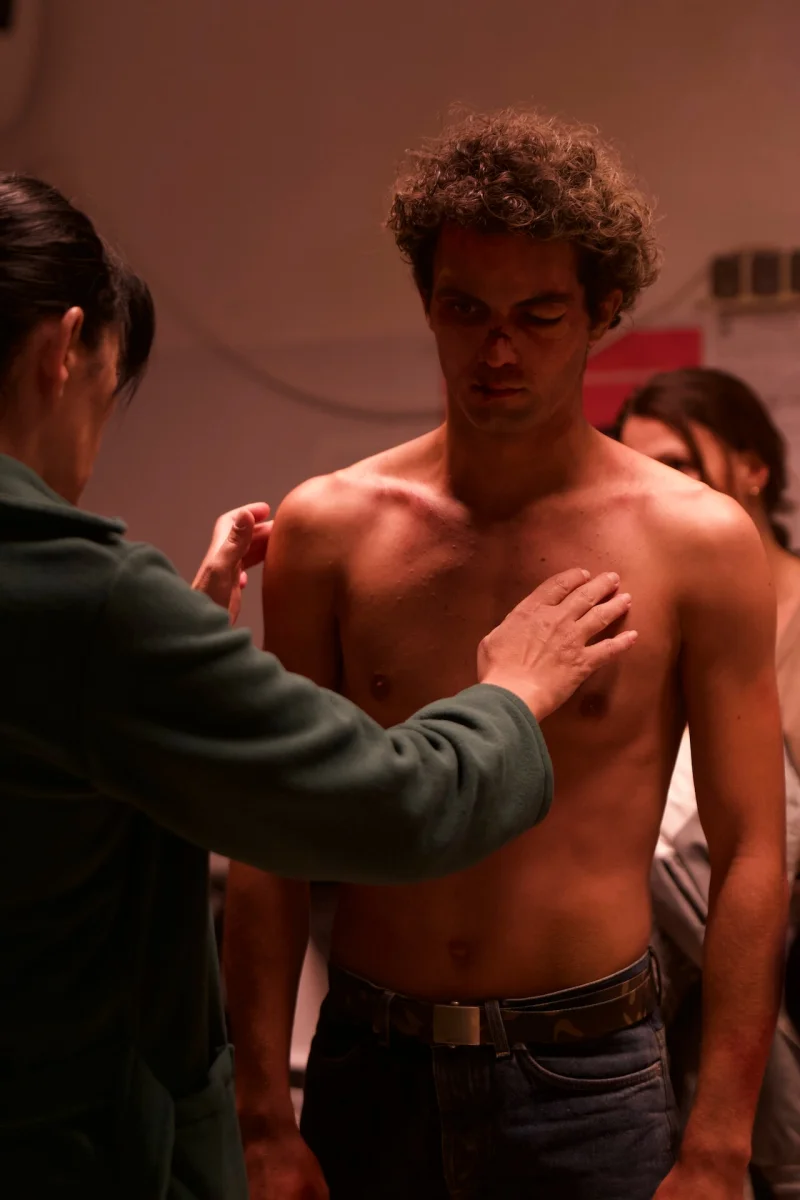
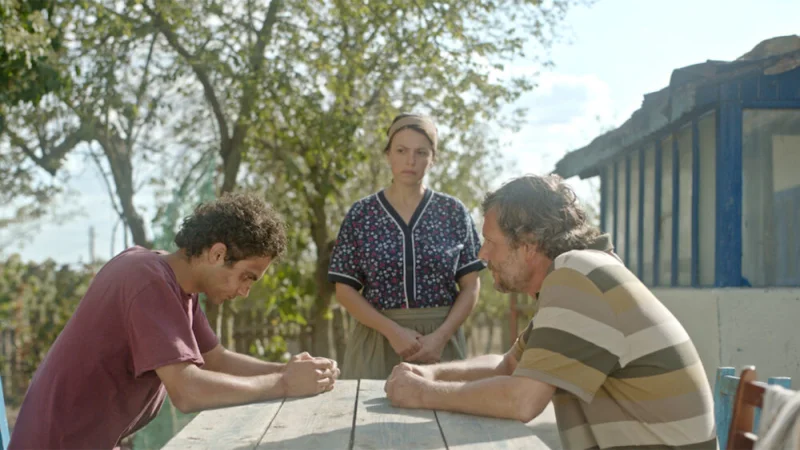
The story centers on Adi, a 17-year-old spending the summer in his family's small, isolated village in the Danube Delta. The film opens with a quiet, tender moment between Adi and a male tourist. Shortly after, Adi stumbles home, beaten and bruised. The attack itself is not shown; instead, Pârvu focuses entirely on the aftermath, which proves to be a different, more psychological form of violence.
When the reason for the assault is revealed to be homophobia, the focus of the community, including Adi's own family, shifts. The crime is quickly overshadowed by what they perceive as the greater shame: Adi's sexuality. Rather than seeking justice for their son, his parents and local authorities—from the police to the priest—engage in a collective effort to bury the truth. The film makes the chilling argument that in this world, the accusation of being gay is considered a worse fate than being the victim of a brutal assault.
Adi is transformed from victim to pariah. He becomes a mirror reflecting the deep-seated prejudice, corruption, and conservatism of the village, which Pârvu presents as a microcosm of Romania itself. Each character—the traditionalist father, the complicit mother, the corrupt official—represents an institution that fails to protect the individual, choosing instead to preserve a fragile and intolerant status quo.
The film's clinical, observational style avoids melodrama, making the verbal and emotional cruelty directed at Adi all the more potent. By keeping the camera's gaze steady, the director forces the audience to confront the quiet, systematic process of ostracization.
Having already screened at the Movies That Matter Festival in the Netherlands, Three Kilometres to the End of the World is a compelling and sober analysis of how hate functions, not just in explosive moments of violence, but in the silence and complicity that follow.