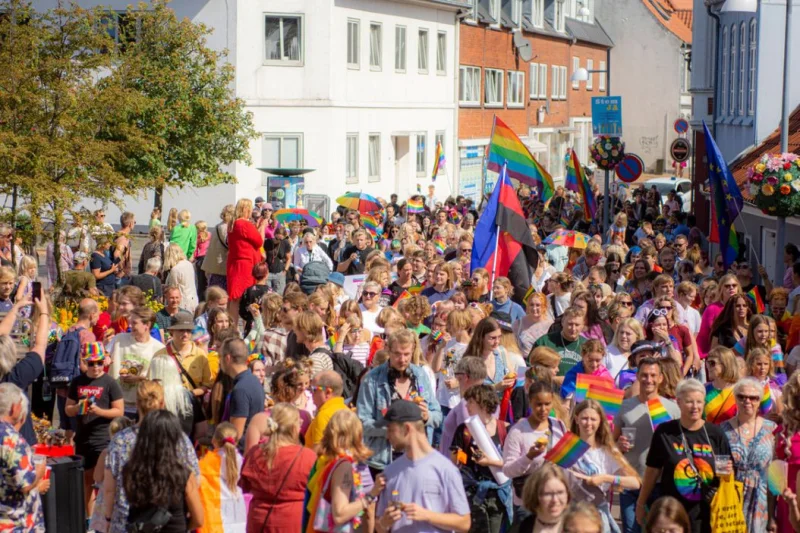
The case dates back to the run-up to Sønderborg's inaugural Pride celebration, a significant milestone for the local community. In a public Facebook comment thread, the two men made explicit threats to use a vehicle to attack participants. Prosecutors pursued the case, arguing the statements constituted a specific and credible threat of violence, a concern amplified by a similar vehicle attack at a Pride event in Florida, USA, the previous year.
The court found the nature of the threats to be an aggravating factor, noting that they were made jointly and specifically targeted a group of people based on their sexual orientation and gender identity.
A Belated Verdict
The Court in Sønderborg sentenced both men to 40 days of suspended imprisonment and 60 hours of community service. A suspended sentence means they will avoid jail time provided they do not commit another criminal offence during a probationary period. Both men, after consulting with their legal counsel, chose to accept the verdict and will not be appealing the decision.
'Bittersweet' Result for Organisers
For the organisers of Sønderborg Pride, the verdict has been met with a mix of relief and disappointment. Niels Christian Aahøj Bech, a representative for LGBTQ+ Sønderborg, acknowledged the importance of the conviction as a deterrent.
"It sends a signal that you should not make threats," he stated, expressing gratitude to the local police for taking the matter seriously. However, he also conveyed the community's feeling that the sentence was too lenient. "Many think the sentence is too low... I think it should have led to a direct prison sentence instead of an unconditional one."
Bech added: "In general, we on the board are very satisfied with today's sentence. The waiting time has been long, and it is of course tiring."
Implications for Pride Safety
The case in Sønderborg serves as a reminder of the security challenges that Pride events continue to face across Europe. While a conviction is a step towards accountability, the debate over the adequacy of the sentence highlights ongoing questions about how legal systems address hate-motivated threats against the LGBTQ+ community. For organisers in the Netherlands and elsewhere, it underscores the persistent need for vigilance and robust security planning to ensure Pride remains a celebration of visibility and not a target for violence.