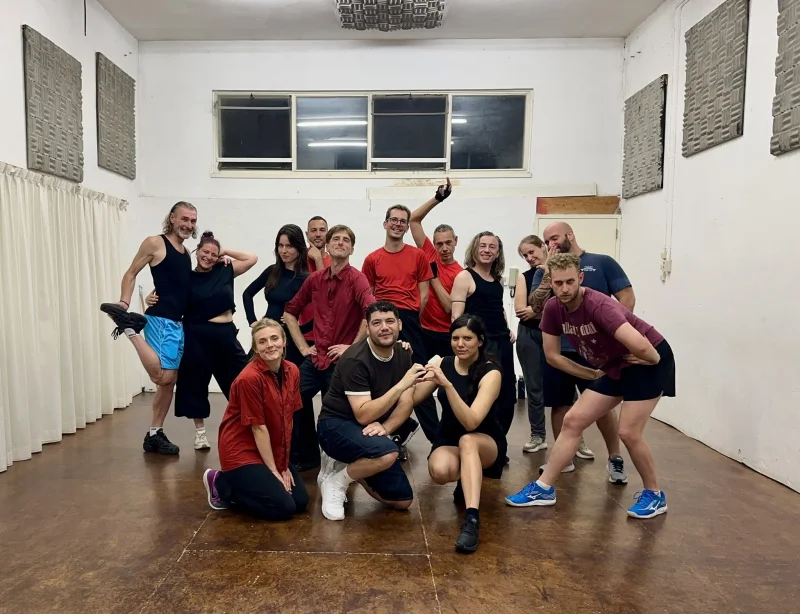

The four players—Douglas Souza, Douglas Pureza, Adriano Xavier, and Maique Reis—were recently pictured together at a team training camp. The image quickly gained traction on social media, celebrated by fans and LGBTQ+ advocates as a powerful statement of acceptance in a field where out male athletes remain a rarity.
This development is particularly significant for a top-tier national team in a major global sport. While individual athletes have come out in various disciplines, it is unusual to see such a number of openly queer players on a single men's team at this level.
The Athletes Making Their Mark
Each of the four players has a unique story. The most internationally recognized is Douglas Souza, an Olympic gold medalist from the 2016 Rio Games. Souza came out publicly in 2020, stating he wanted to serve as a role model for others who feel they don't fit conventional norms. He has since become one of the most visible queer figures in international volleyball.
Maique Reis, another established player, took a more understated approach to coming out in 2019. He began sharing photos with his partner and posts on queer topics on his Instagram, speaking openly when asked by media about the challenges he faced as a Black and gay man in competitive sports.
More recently, Douglas Pureza came out in 2024 after a successful season where he was named the best libero in Brazil's Superliga. In an interview, he discussed the psychological burden of hiding his identity in the high-pressure environment of professional sports.
The fourth player, Adriano Xavier, had not publicly discussed his sexuality before the group photo circulated. Known to be more private, the 24-year-old shared the image himself with heart emojis, joining his teammates in their collective visibility.
A Contrast on the World Stage
The team's openness provides a stark contrast to the climate in many other parts of the world and in other sports, particularly football, where openly gay male players at the national level are virtually non-existent. The positive reception online, with one commenter noting, "The train has left the station and the homophobes have had a heart attack!" suggests a shift in public attitude, at least among the sport's followers.
Adding a layer of political tension to their season, the Brazilian team is scheduled to face Iran in their opening Nations League match in Brasília. Homosexuality is criminalized in Iran and can be punishable by death, a fact that underscores the courage and significance of the players' visibility on an international stage.