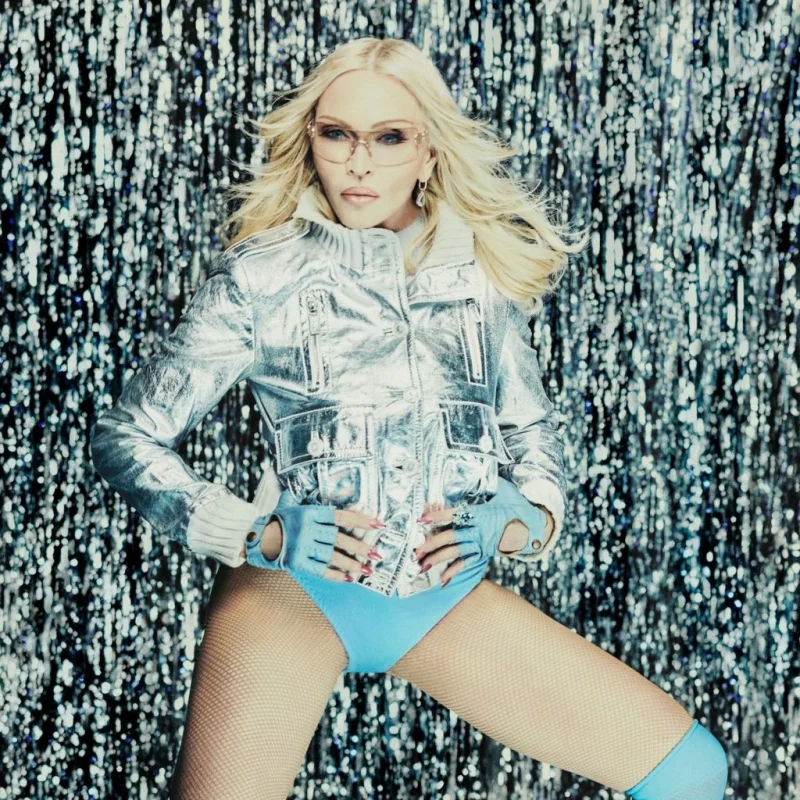
For her 15th studio album, Madonna reunites with British producer Stuart Price, the architect behind the original 2005 classic. The result is an album that deliberately sidesteps today's pop trends, opting instead for a sound deeply rooted in the 1980s house movements of Chicago and Detroit—a sound that has long been intertwined with LGBTQ+ expression and the genesis of modern club culture.
Following a life-threatening health scare and a globally successful Celebration tour that revisited her extensive career, this return to the dance floor feels both defiant and reflective. The first half of the album is an immersive, non-stop mix of hedonism. Tracks like the hypnotic, Donna Summer-esque 'I Feel So Free' and the euphoric 'Good For The Soul' are built for late nights, celebrating the liberation and anonymity that a crowded club can offer.
A Tale of Two Halves
While the album's first act is a tribute to the physical release of dancing, its second half is where the true 'confessions' emerge. Here, the beats become a backdrop for introspection and startling vulnerability. The standout track 'Danceteria' is a vivid time capsule of 1980s New York, name-checking Nile Rodgers and The Rock Steady Crew as Madonna recounts the night her career began with the first play of her demo for 'Everybody'.
The album also delves into deeply personal territory. 'Fragile' is a poignant tribute to her late brother Christopher, exploring their complex relationship from childhood to their eventual reconciliation. On 'The Test', she is joined by her eldest daughter, Lourdes Leon, for a candid conversation about the pressures of growing up in the spotlight. In a rare moment of public self-reproach, Madonna sings, "You didn't ask for all the flashing lights... I wish I knew the pain I caused."
Rejecting the Algorithm
The album's lead single, 'Bring Your Love', features Sabrina Carpenter. The duet serves as a defiant statement against public judgment, a theme Madonna has explored throughout her career. It's a fitting collaboration, pairing the pop veteran with a younger artist who has faced similar scrutiny over her art and sexuality. The track itself is a chunky piano-house groove that even winks at her own past, echoing the spirit of 'Express Yourself'.
Madonna has been clear that she created this album without concern for chart positions or streaming algorithms. "Working only in terms of algorithms and artificial intelligence doesn't allow you to take risks, which is the complete opposite of making art," she told Vogue Italy. This approach allows 'Confessions II' to exist on its own terms, not as an attempt to recapture past glory, but as a mature reflection on it.
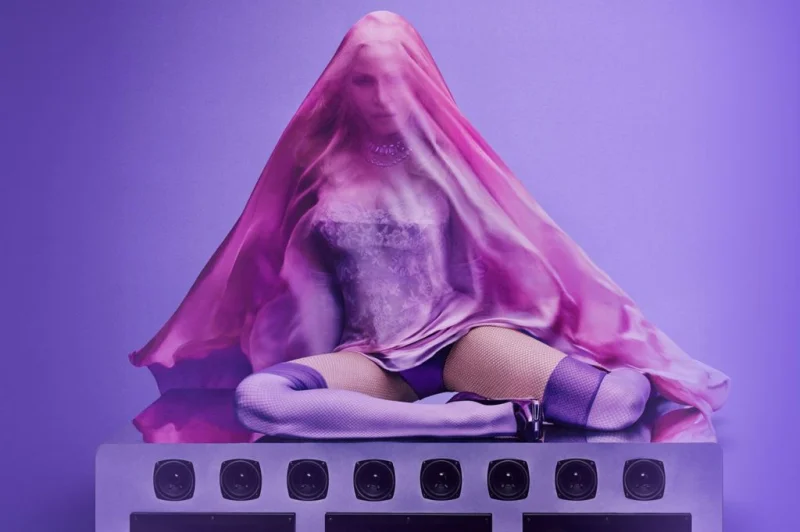
The album closes with 'L.E.S.', a nostalgic look back at a youthful crush in New York's Lower East Side. It's a charming end to a record that begins with a desire to hide behind a veil but ends with that veil fully lifted. For an artist who has mastered the art of reinvention, 'Confessions II' proves that sometimes the most compelling new direction is to look inward.