
For many, the mention of gay sex clubs or saunas conjures images shaped by stigma and moral judgment. However, a psychotherapist is offering a different perspective, arguing that these spaces can offer significant and often overlooked benefits to the well-being of gay, bisexual, and queer men.
In an article for Psychology Today, psychosexual and relationship psychotherapist Silva Neves outlines how venues dedicated to casual sex can function as important spaces for healing, connection, and self-expression. Drawing from his clinical work, Neves suggests that the positive impacts can be a powerful counter to the daily stresses faced by queer individuals.
A Refuge from a Hostile World
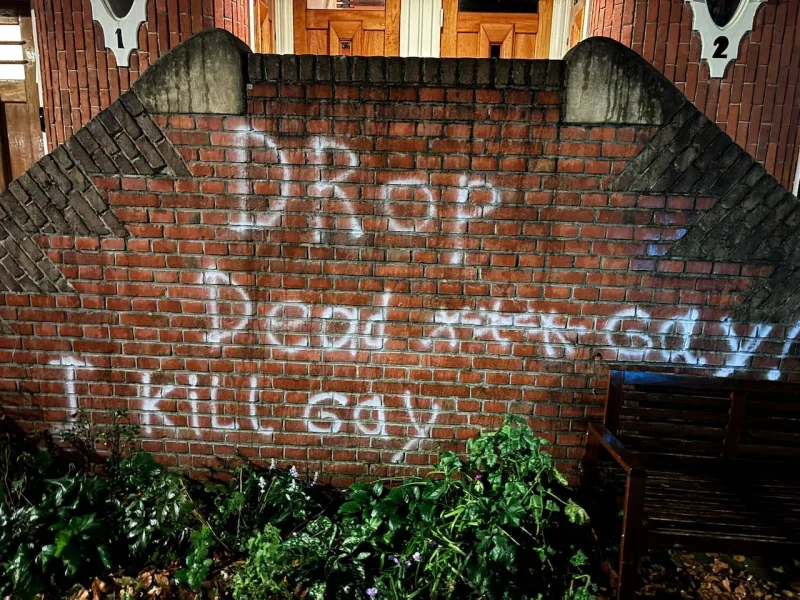
One of the primary benefits, according to Neves, is the role of these clubs as a buffer against 'minority stress'—the chronic psychological strain of living within a society that often discriminates against or misunderstands you. In a world that is still predominantly heteronormative, a men-only sexual space can be one of the few places where gay men feel they can exist without fear of judgment or the need to self-censor.
This creates an environment that serves as an antidote to both external homophobia and internalized shame. Neves describes them as spaces of "existential freedom," where men can connect with their own sexuality and desires authentically, reinforcing a sense of legitimacy and belonging that is often challenged elsewhere.
Community, Consent, and Acceptance
While the primary purpose is sexual, Neves notes that these venues foster a unique form of social connection. Unlike the mainstream gay scene, which can sometimes promote rigid standards of beauty, age, and status, sex clubs often cultivate a more accepting atmosphere.
Neves highlights several key aspects:
- Body and Age Positivity: The environment in many clubs is more welcoming to a diversity of body types and ages, providing a respite from the body-shaming and ageism that can be prevalent on dating apps and in some bars.
- A Culture of Consent: There is a strong, often non-verbal, emphasis on consent. Rejection is typically handled with respect and without shame, a stark contrast to the potential for harassment in other social settings.
- Shared Understanding: For many attendees, these are places to relax and connect with others in an unapologetically queer environment, fostering a sense of community, even if the interactions are brief or anonymous.
Exploring Intimacy Beyond the Norm
The analysis also touches on how these spaces allow for an exploration of intimacy and love that exists outside of traditional, mononormative relationship structures. For some, a brief, consensual sexual encounter can be a form of self-love and an expression of connection to their community and identity.
Neves refers to this as a form of "queer spirituality," where being in a space that celebrates sexual diversity can be a powerful, affirming, and even healing experience. It challenges the idea that meaningful connection can only occur within a romantic partnership.
While these spaces are not for everyone, this perspective reframes them not as sordid venues, but as potentially vital parts of the queer ecosystem that can support mental health, build resilience, and celebrate sexual freedom in a world that often seeks to suppress it.