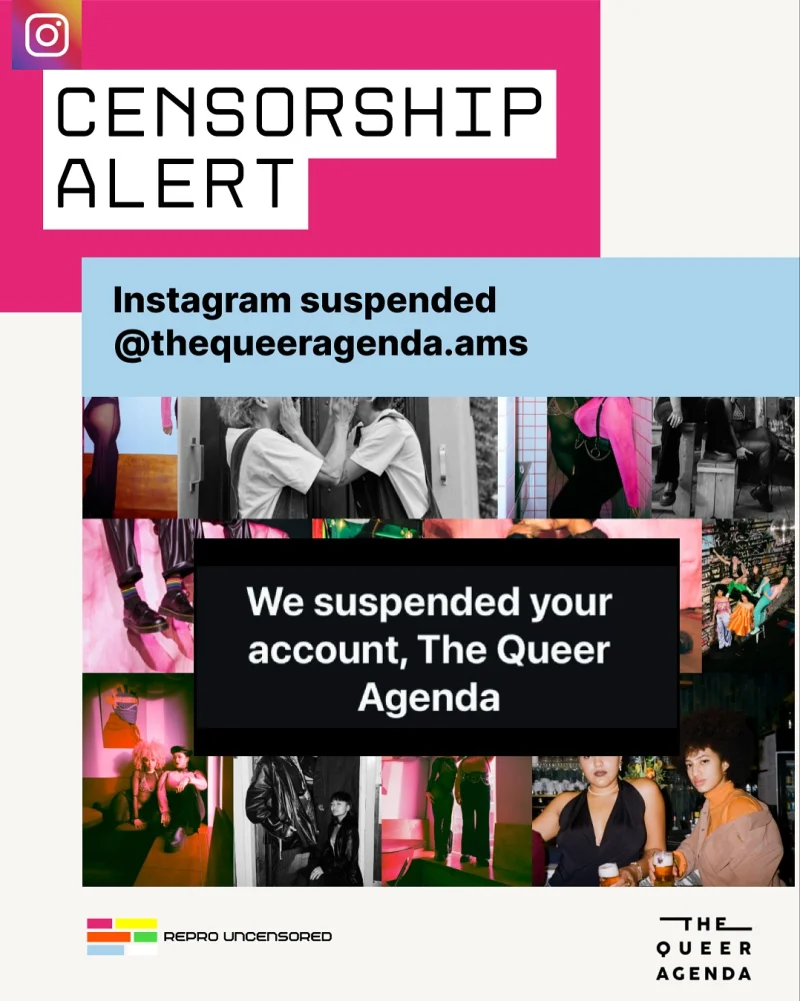
In November, Instagram suddenly removed @thequeeragenda.ams, a cornerstone platform for local LGBTQ+ culture, along with almost its entire network of linked accounts. The deletion came without warning, explanation, or a meaningful chance to appeal.
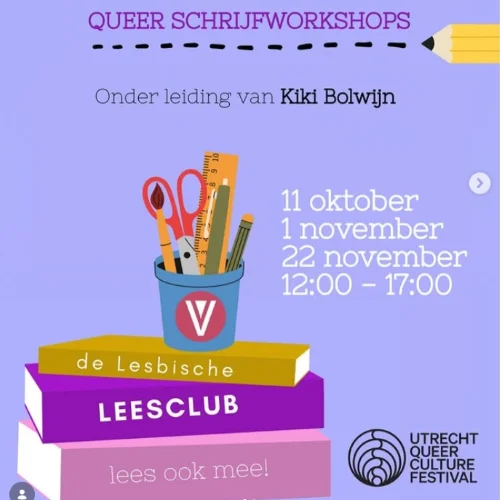
For its ten thousand followers, The Queer Agenda was more than just an account; it was a hub. It documented queer life, promoted events, and connected people through photo projects and collaborations with art institutes, museums, and clubs. Its disappearance has left a significant void, silencing a platform that served as one of the few visible and safe digital spaces for queer people in the city.
After the takedown, an appeal was swiftly rejected, with Instagram stating the ban was permanent. The community has since rallied, sharing messages to protest the decision. "@thequeeragenda.ams was removed by mistake," one widely circulated message reads. "This is a queer cultural project and should be reinstated."
A Troubling Global Pattern
The Amsterdam incident is not an isolated event but part of a disturbing international trend. Across the North Sea in the UK, a wave of similar deletions has targeted queer-inclusive and sex-positive arts organizations, devastating communities and livelihoods.
Collectives like Sexquisite, a platform for sex worker artists, Cybertease, and the UK Sex Worker Pride have all had their accounts, with a combined following of over 52,000 people, wiped from the platform. Founders report that their appeals were rejected by automated systems in under ten minutes, suggesting no human ever reviewed their cases.
"This isn’t moderation, it’s erasure. Our Instagram is how we sell tickets. It's how we find new audiences, collaborate with performers, and sustain the work we do. Without online reach, shows become financially unstable, performers lose income, and community spaces disappear."
'An Attack on Our Livelihood'
For these small organizations, an Instagram account is a lifeline. It’s their primary tool for marketing, networking, and community building. Losing it overnight is catastrophic.
"Losing our platform removes access to a safer working environment for dancers who rely on us," explained April Fiasco, founder of Cybertease. "Meta deleting our account is a direct attack on our visibility, safety, and livelihood."
This pattern of suppression is being tracked by groups like Repro Uncensored, a global non-profit that documents digital censorship. They recorded a surge of over 30 account deletions in a single week in November, noting that platforms run by marginalized communities consistently face harsher enforcement and fewer paths to reinstatement.
The coalition of affected groups is now demanding action from Meta, Instagram's parent company. Their demands include:
- Immediate reinstatement of all wrongfully deleted accounts.
- Full transparency regarding the reasons for enforcement actions.
- A human-led, meaningful appeals process.
- Consultation with queer and sex worker-led organizations to reform moderation policies.
As queer communities become increasingly reliant on digital platforms, this wave of deletions serves as a stark reminder of how fragile those spaces can be when governed by opaque rules and unaccountable algorithms.