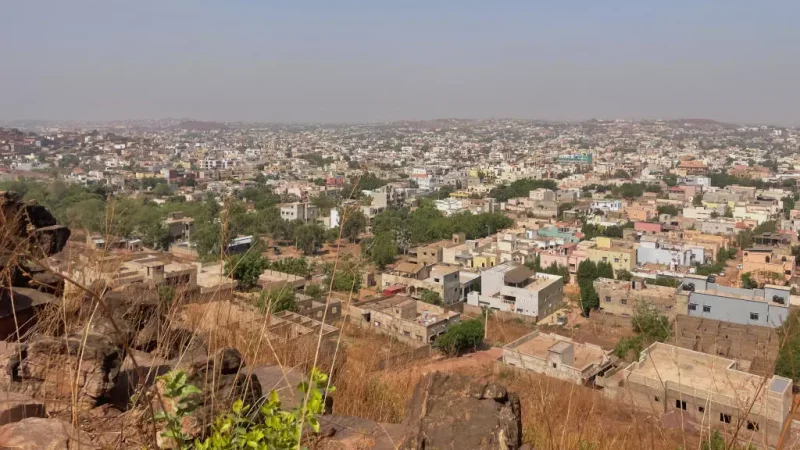
Two men in Mali have been sentenced to a year in prison, with six months to be served, for “unnatural acts” in a landmark case that represents the first known conviction for homosexuality in the country. The ruling confirms the grave new reality for LGBTQ+ people following the implementation of a harsh new penal code.
The conviction, handed down on October 26, is the first direct application of Mali's revised penal code, which was enacted in December 2024. The new law, championed by the transitional government's Justice Minister Mamadou Kassogué, explicitly criminalizes same-sex relationships. It defines an “indecent assault” as “any act of a sexual nature against nature committed with an individual of the same sex.”
According to the Malian newspaper Le Soft, which first reported the story, the prosecution's case was built on nationalist and traditionalist rhetoric. A state representative argued that the two men were contributing to a “depravation of the Nation’s morals,” while the public prosecutor condemned their actions as an “attack on national values, customs and traditions.” The men were initially under investigation for the “dissemination of pornographic videos.”
A Climate of Fear
The case highlights a chilling legal and social shift in the West African nation. Me Oumar Berté, a Malian lawyer and political scientist associated with the University of Rouen, confirmed the significance of the ruling.
“This is a first in the country,” he stated, noting the direct link to the 2024 legal reforms. Berté also shed light on the challenging social climate, explaining that homosexuality is often framed as a “Western import” in Malian society. This narrative has created an environment of fear, making it difficult for local human rights and LGBTQ+ advocacy groups to respond publicly.
“It is difficult today for associations defending LGBT people to speak out after this conviction. I have not seen any communication from a rights organization in Mali. There is a certain mistrust, a certain fear.”
- Me Oumar Berté, Malian lawyer and political scientist
This development in Mali is not an isolated event. It reflects a worrying trend across West Africa, where several countries have recently tightened anti-LGBTQ+ legislation. Nations like Ghana and Senegal have also seen an increase in prosecutions and legal crackdowns, drawing concern from international human rights organizations. The conviction in Bamako serves as a stark confirmation of the dangers faced by the LGBTQ+ community in the region.