The sound of shattering glass in the middle of the night is a sound of violation. For Jurrien and Daan, a couple living on Amsterdam's Amstelkade, it was the sound of targeted hate. A brick, thrown through their window, was a clear and violent message aimed at the Pride flag they had hanging outside. In 2024, in a city that prides itself on openness, this is the ugly reality we still face. The attack left them so shaken they are now considering leaving their home.
But this isn't just another story about homophobic violence. It's about what happened next.
When their neighbor, Jochem, heard the news, he refused to let the incident be met with silence. He didn't just post an angry message online or shake his head in disapproval. He took action. He started a neighborhood WhatsApp group and put forth a simple, powerful plan: if one flag makes you a target, then we will all fly the flag. He immediately ordered fifty of them.
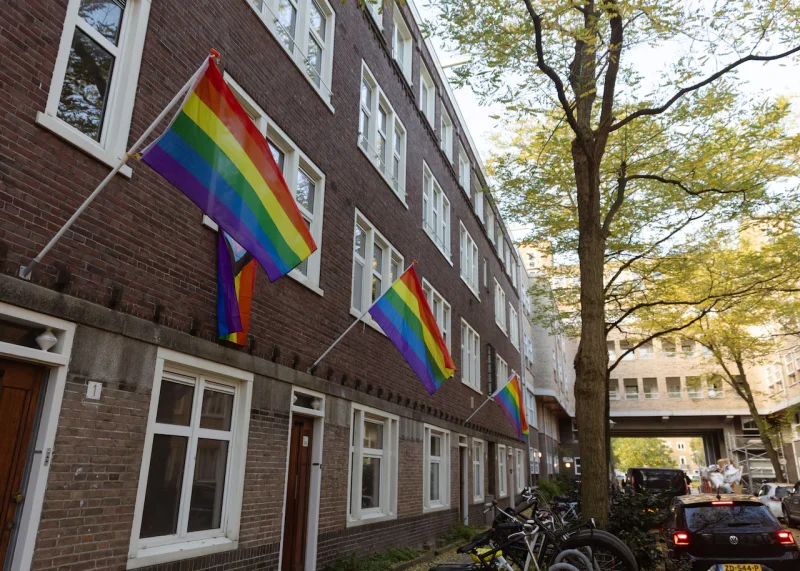
The result is a stunning act of visual defiance. The Amstelkade is now a river of rainbows. Dozens of Pride flags now hang from windows and balconies, a collective and unmistakable statement. It’s a beautiful sight, but let's be clear about what it represents. It's not just a pretty gesture. It's a shield. It's a community drawing a line in the sand and declaring, as one neighbor put it, "You mess with one of us, you mess with all of us."
Is a Wall of Flags Enough?
Let's be real: hanging a flag won't stop the next brick. It won't erase the fear that Jurrien and Daan now live with, and it won't solve the rising tide of anti-LGBTQ+ sentiment that organizations like COC Nederland have been warning about. This incident is a symptom of a much larger problem, not an isolated event.
So, no, it's not enough. But it is a crucial start. What this action does is fundamentally shift the power dynamic. It isolates the perpetrator, not the victim. It turns an act of intimidation into a moment of community strength. Instead of making Jurrien and Daan feel alone and targeted, it surrounds them with visible, unapologetic support. It tells the bigots that their hate is not welcome here, and they are outnumbered.
This is what active allyship looks like. It’s not about thoughts and prayers; it’s about showing up. It’s about using your privilege as a straight neighbor to create a safer environment for your queer neighbors. The flags on Amstelkade are a powerful reminder that our safety and liberation depend not just on our own resilience, but on the willingness of those around us to stand with us, loudly and visibly.
The fight is far from over. But for one street in Amsterdam, hate threw a brick, and a community threw a rainbow-colored wall right back.
Based on reporting by Het Parool