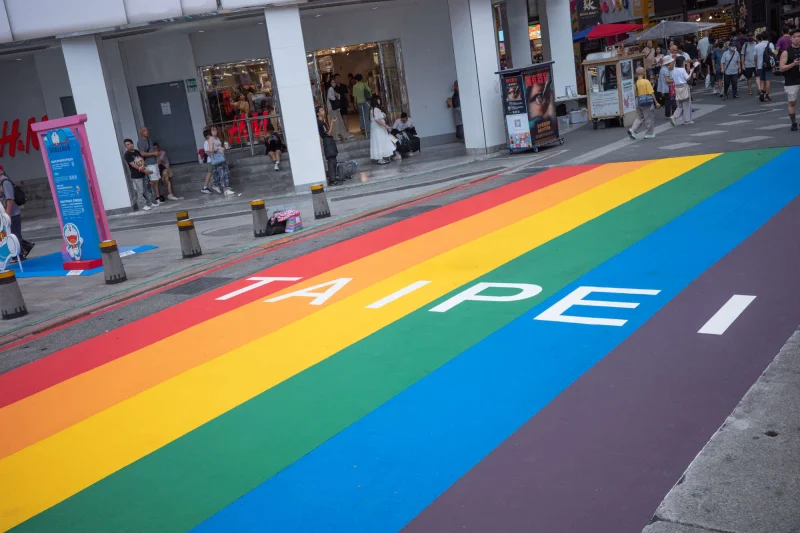

On April 1st, the Netherlands will mark 25 years since it became the first country in the world to open civil marriage to same-sex couples. New figures released by the Central Bureau for Statistics (CBS) provide a detailed look at the impact of this historic legislation. Among the most notable findings is that over 1,100 couples—600 male and 500 female—who married in that inaugural year of 2001 are now set to celebrate their silver wedding anniversary.
A Snapshot of 25 Years
Since the law took effect, more than 36,000 same-sex couples have tied the knot in the Netherlands. Just over half of these marriages have been between two women. As of the beginning of 2026, the country is home to approximately 25,000 married same-sex couples, comprising nearly 12,000 male couples and 13,000 female couples.
The initial rush to the altar in 2001 and 2002 saw more male couples getting married. However, since 2003, marriages between women have consistently outnumbered those between men each year. In the last five years, an average of 900 female couples and 750 male couples have married annually, an increase from the 2016-2020 period. This indicates a steady and growing interest in marriage within the community, with numbers now surpassing pre-pandemic levels.
Demographics: Who Gets Married and Where?
The CBS data also sheds light on the demographics of same-sex couples who choose to marry.
Age and Age Gaps
Men tend to be older when they marry a same-sex partner, with an average age of 41 in 2025. This contrasts with an average age of 37 for women marrying women, which is the same average age for heterosexual couples. The age difference between partners is also largest among male couples, at an average of 7 years, compared to 5 years for female couples and 4 years for male-female couples.
Geographical Distribution
Unsurprisingly, same-sex married couples are more concentrated in urban areas. Amsterdam leads the country, with 44 out of every 1,000 married individuals being in a same-sex union. The capital is followed by other progressive, university cities like Nijmegen (35 per 1,000) and Groningen (29 per 1,000). In stark contrast, municipalities within the Dutch 'Biblebelt' show the lowest figures. In Urk and Woudenberg, for example, fewer than 1 in 1,000 married people have a partner of the same sex.
The Reality of Relationships: A Look at Divorce Rates
While marriage is a celebration of commitment, the statistics also offer a sober look at its longevity. Annually, over 400 same-sex marriages end in divorce. The data reveals a significant difference between male and female couples. Marriages between two women are statistically more likely to end in divorce than those between two men or a man and a woman.
Looking at the cohort of couples who married in 2015, by the start of 2025, 24% of female couples had divorced. This is nearly double the rate for male couples (13%) and heterosexual couples (13%). According to the CBS, this pattern is consistent across different marriage years and also applies to registered partnerships.