MANCHESTER, UK – A secondary school in Greater Manchester has removed a non-fiction guide for queer and autistic teenagers from its library, prompting a response from its author and raising concerns about access to LGBTQ+ resources for young people.
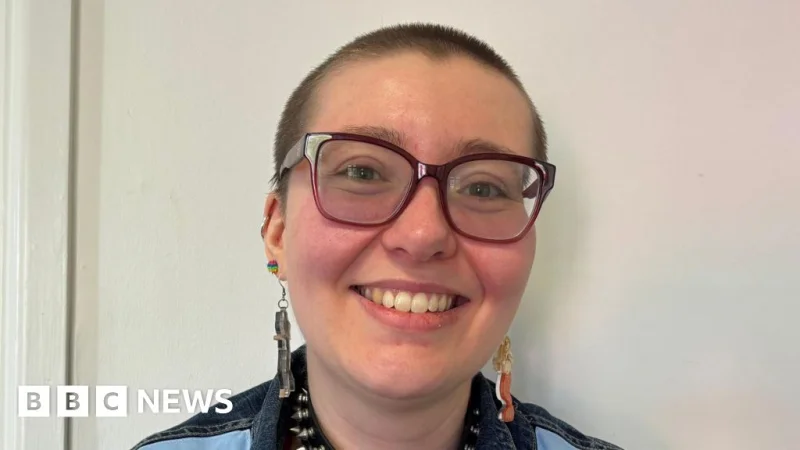
The book, "Queerly Autistic: The Ultimate Guide for LGBTQIA+ Teens on the Spectrum," was written by Erin Ekins, a 34-year-old author from Essex who is herself queer and autistic. Published in 2021, the guide is intended to help young people navigate the intersection of their identities.
Ekins told the BBC she felt a "pit in her stomach" and was "gutted" upon learning her book had been removed from the Lowry Academy in Salford. She explained that she wrote the book to be a resource she wished she had during her own teenage years, covering topics like gender, sexuality, relationships, and consent in an accessible way.
"I still stand by the book," Ekins stated, emphasizing its role as a vital tool for a community that is often underserved. "Education on sex and sexuality is not a bad thing. It's knowledge, and knowledge is power," she said in a statement. She noted that she has received positive feedback from autistic young people, parents, and professionals about the book's impact.
An 'Audit', Not a 'Ban'
In a statement, the Lowry Academy said it had not "banned" any books. Instead, it explained that it conducted a library "audit" following "concerns that a number of books within the library were neither age nor content appropriate."
According to the school, most books were subsequently categorized by age and returned to the shelves. However, it added that "a very small number of books were deemed inappropriate even for older children due to their content and have been removed."
Interestingly, Ekins' book was not the only title removed. Classic works such as George Orwell's "Nineteen Eighty-Four" and the popular young adult novel "Twilight" by Stephenie Meyer were also taken off the shelves, suggesting the school's criteria for removal may have been broad or inconsistently applied.
A Wider Trend
The removal of books, particularly those with LGBTQ+ themes, from school libraries is a contentious issue that has become increasingly prominent in the United States and, to a lesser extent, in the UK. Advocacy groups like Index on Censorship, which first alerted Ekins to the situation, campaign for freedom of expression and often track such removals.
For communities in the Netherlands and elsewhere in Europe, such events in the UK serve as a reminder of ongoing debates surrounding what content is deemed "appropriate" for young people and who gets to make those decisions. The removal of a resource specifically designed for a doubly marginalized group—queer and neurodivergent youth—highlights the challenges that can arise in providing inclusive educational materials.