TGEU Data Highlights Uneven Progress on Trans Rights Across Europe
AMSTERDAM - Transgender Europe (TGEU) has released its latest data on the legal and social standing of trans people across 54 countries in Europe and Central Asia, revealing a landscape of significant progress alongside persistent, deeply-rooted barriers. While more nations than ever have procedures for legal gender recognition, the path to full equality and safety remains long and inconsistent from one border to the next.
Legal Gender Recognition: A Mixed Reality
The data shows that 40 out of 54 countries now have some form of legal procedure for gender recognition (LGR). However, the accessibility and humanity of these procedures vary widely. A key benchmark is LGR based on self-determination, which removes invasive medical or psychological requirements. Currently, ten countries meet this standard:
- Belgium
- Denmark
- Finland
- Iceland
- Ireland
- Luxembourg
- Malta
- Norway
- Spain
- Switzerland
The Netherlands also has a procedure based on self-determination for adults, though the proposed legislative update to simplify the process and include minors has faced significant delays. In stark contrast, 29 countries still mandate a mental health diagnosis for a person to legally change their gender, reinforcing the outdated pathologisation of trans identities. Furthermore, 14 countries in the region offer no legal recognition whatsoever, and Hungary has an explicit ban in place.
Gaps in Legal Protection and Safety
When it comes to fundamental safety, the legal framework across the continent shows critical weaknesses. Fewer than half of the countries surveyed (21) have hate crime laws that explicitly include gender identity as a protected characteristic. The situation is even more concerning for hate speech, where only 14 countries offer such protection.
On a more positive note, a majority of 29 countries have enacted non-discrimination legislation that covers gender identity. The Netherlands is among the nations that provide explicit protections in laws concerning hate crimes, hate speech, and non-discrimination.
Healthcare, Family, and Asylum
Bodily autonomy and access to healthcare remain significant hurdles. According to TGEU, only 11 countries have fully depathologised trans identities, meaning a mental health diagnosis is no longer a prerequisite for accessing trans-specific healthcare. Meanwhile, legislation banning harmful 'conversion practices' on the basis of gender identity exists in just seven countries.
In family matters, the rights of trans parents are recognised in 22 countries, where they can have their correct gender reflected on their children's birth certificates. For trans individuals seeking safety from persecution, the situation is precarious; only 11 countries explicitly name gender identity as a protected ground in their asylum laws.
An Uneven Path Forward
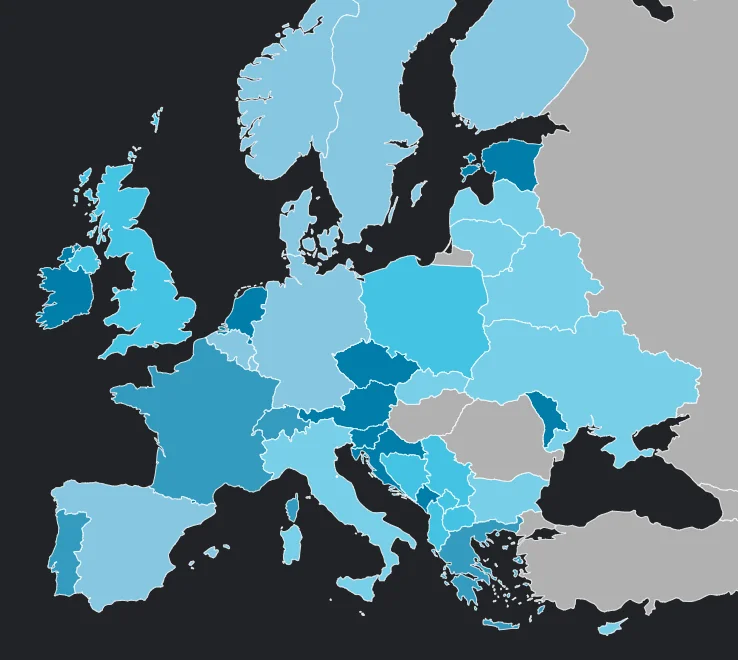
The TGEU data provides a comprehensive, if sobering, snapshot of the current state of trans rights. It highlights a clear east-west and north-south divide in progress and underscores that even in more progressive nations, legislative gaps can leave trans people vulnerable. The findings serve as a crucial tool for advocates and policymakers working to ensure the rights, dignity, and safety of all trans people across the continent.