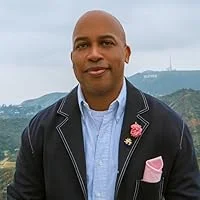
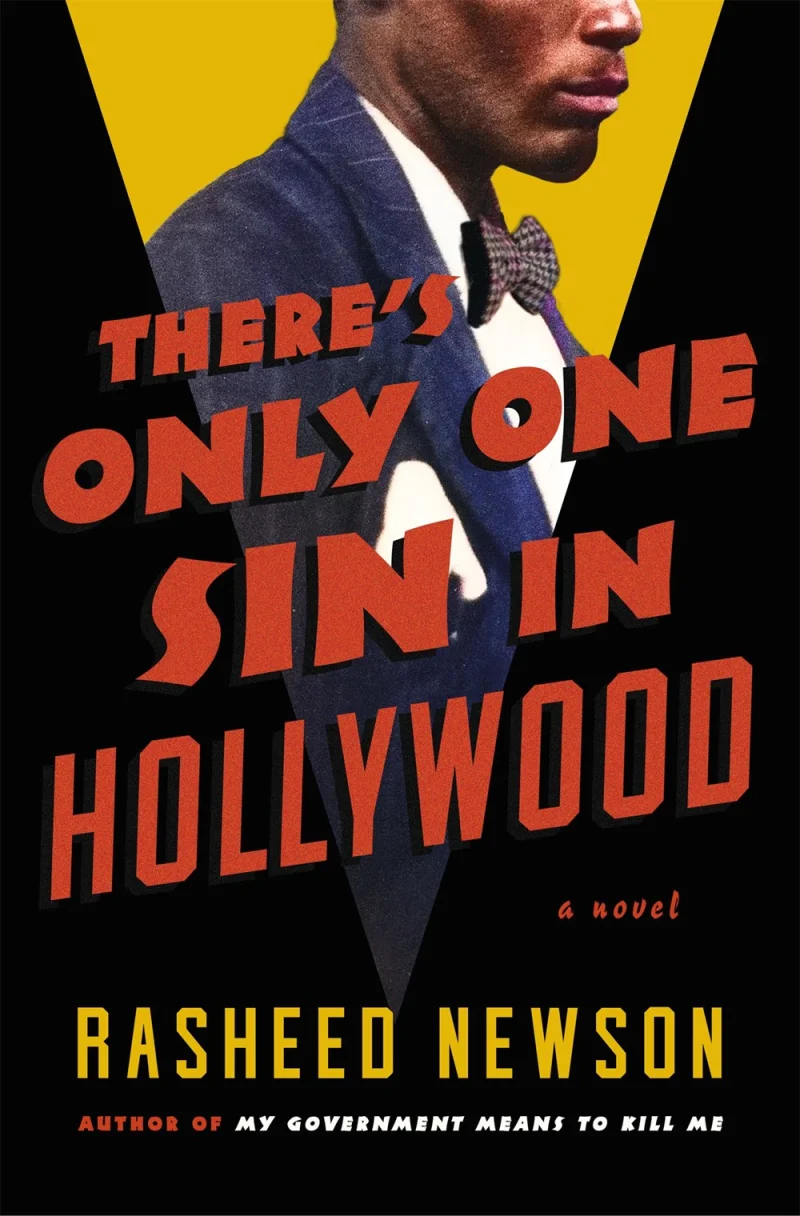
Author and television showrunner Rasheed Newson has released his second novel, "There's Only One Sin in Hollywood," a work of historical fiction that explores the intersecting pressures of race and sexuality during Hollywood's "Golden Age." The book, which became available earlier this month, offers a narrative look into the lives of closeted Black actors in the 1950s.
The story is framed as a confessional from Aaron Touissant, a studio "fixer" whose job is to manage the private lives of stars and ensure their secrets—particularly their queerness—remain hidden from the public. Years after the suspicious death of Xavier C. Barlow, a charismatic young Black actor poised to rival Sidney Poitier, Touissant decides to reveal the truth behind the tragedy and the powerful figures responsible.
A Look Behind the Silver Screen
Through Touissant's eyes, the novel reconstructs the world of Skyline Studios, a place described as a "manicured minefield" for its stars. It details the immense control studios wielded over actors' lives, dictating everything from their on-screen roles to their off-screen relationships. For Black and queer individuals, this control was compounded by the era's systemic racism and homophobia.
The plot follows Touissant's investigation into Barlow's death while flashing back to his own past, including his time in the military and his complex relationships. The narrative serves not only as a mystery but also as a portrait of queer life in Los Angeles before the Stonewall uprising, highlighting the hidden spaces and coded communities that existed out of necessity.
A Voice for Hidden Histories
The author, Rasheed Newson, is a prominent voice in both literature and television. His debut novel, "My Government Means to Kill Me," was a national bestseller and a finalist for a Lambda Literary Award. He is also a co-developer and executive producer of the drama series "Bel-Air" and has written for shows including "The Chi" and "Narcos."
As a queer Black creator, Newson brings a personal and well-researched perspective to the story. Early reviews have praised the novel for its meticulous historical detail and its compelling portrayal of characters navigating a hostile environment. The book blends fictional characters with real-life figures from the era, creating an immersive and authentic-feeling world.
"There's Only One Sin in Hollywood" is positioned as a significant work of fiction that sheds light on an often-overlooked chapter of both Black and LGBTQ+ history. It examines the personal cost of fame and the courage required to challenge a system designed to keep certain stories untold.