Alarming New Data on School Safety
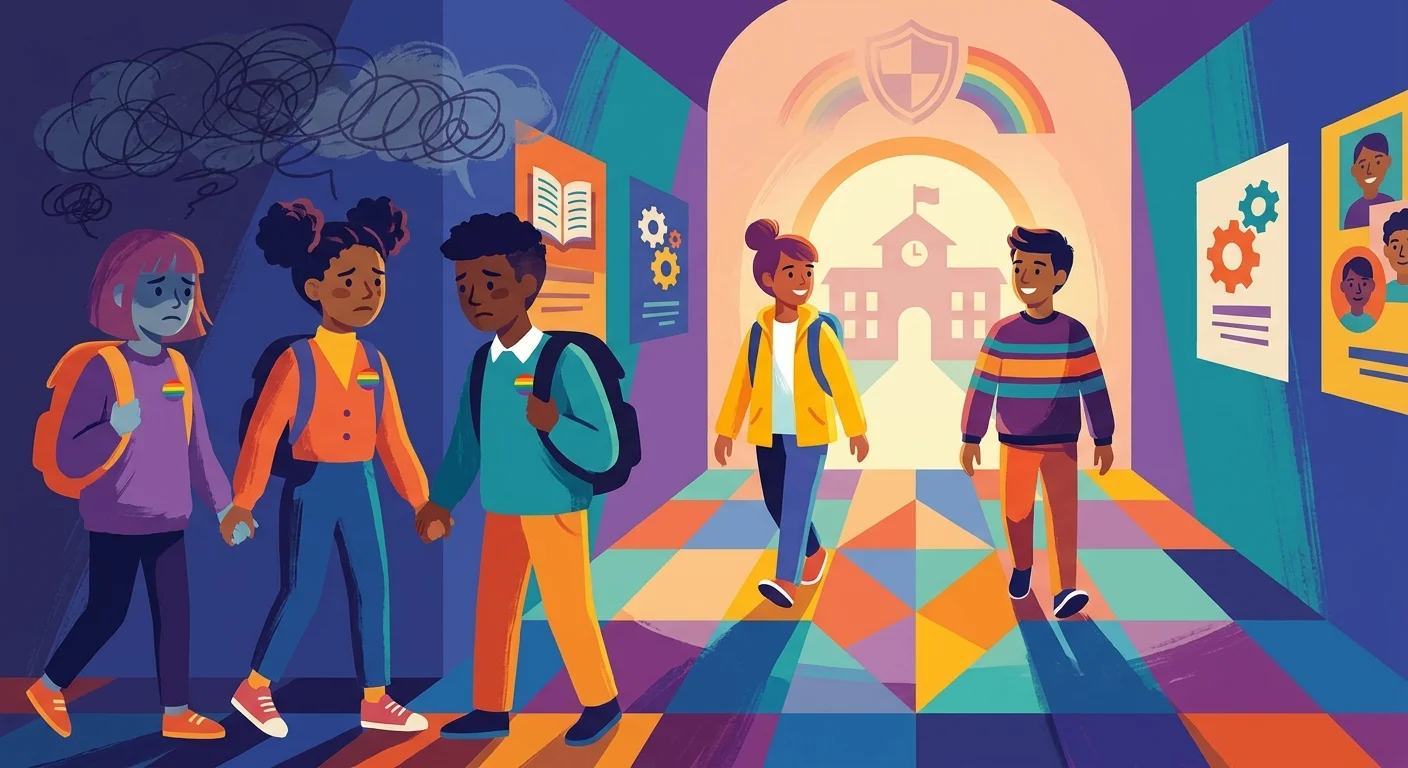
A comprehensive new survey in the United States has found that a majority of LGBTQ+ students continue to experience hostile school environments. According to the latest National School Climate Survey by the advocacy organisation Glisten, two out of every three LGBTQ+ students reported feeling unsafe at school simply because of their sexual orientation or gender identity.
The report, which gathered data from K-12 students during the 2024-2025 academic year, indicates a troubling reality for queer youth in the American education system. The findings suggest that for many, school is not a place of welcome or security, with only one-third of respondents stating they "frequently" or "often" look forward to attending.
Widespread Harassment and Discrimination
The survey details significant levels of mistreatment. Many students reported facing verbal, physical, or online harassment and assault. The data shows a clear pattern of targeted bullying:
- 62% of students experienced harassment or assault because of their sexual orientation.
- 69% reported harassment or assault based on their gender identity or expression.
- 48% of BIPOC (Black, Indigenous, and People of Color) LGBTQ+ students said they faced harassment due to their race or ethnicity, highlighting an additional layer of discrimination.
This hostile climate has tangible consequences on students' daily lives and ability to participate fully in school activities. A staggering 86 percent of transgender and gender-expansive students reported that they actively avoid certain areas within their school, such as hallways, cafeterias, or bathrooms, out of fear for their safety.
The Bathroom Becomes a Battleground
The report underscores the intense focus on and discrimination surrounding school facilities. Over half (53%) of all students surveyed said they had faced LGBTQ-related discrimination, such as being barred from using a locker room that corresponds with their gender identity.
Bathrooms remain a significant point of conflict and anxiety. Forty-one percent of students reported being disciplined or punished for attempting to use a bathroom that aligned with their gender. As a result, nearly two-thirds (64%) said they avoided using school bathrooms altogether, a decision that can have serious implications for physical health and well-being.
A View from the Netherlands
While these figures from the United States are concerning, they also serve as a reminder of ongoing challenges in Europe. In the Netherlands, organisations like COC have long worked to establish safe school environments through programs like Gender and Sexuality Alliances (GSAs). Despite this progress, studies from groups like Movisie have also shown that LGBTQ+ youth in Dutch schools still face higher rates of bullying and mental health issues compared to their cisgender and heterosexual peers. The situation in the US, often intensified by political rhetoric and discriminatory state-level legislation, highlights a particularly severe environment that advocates are working to combat.
The Glisten survey provides critical data that underscores the urgent need for supportive policies and inclusive educational practices to ensure all students, regardless of their identity, can learn in a safe and affirming environment.